

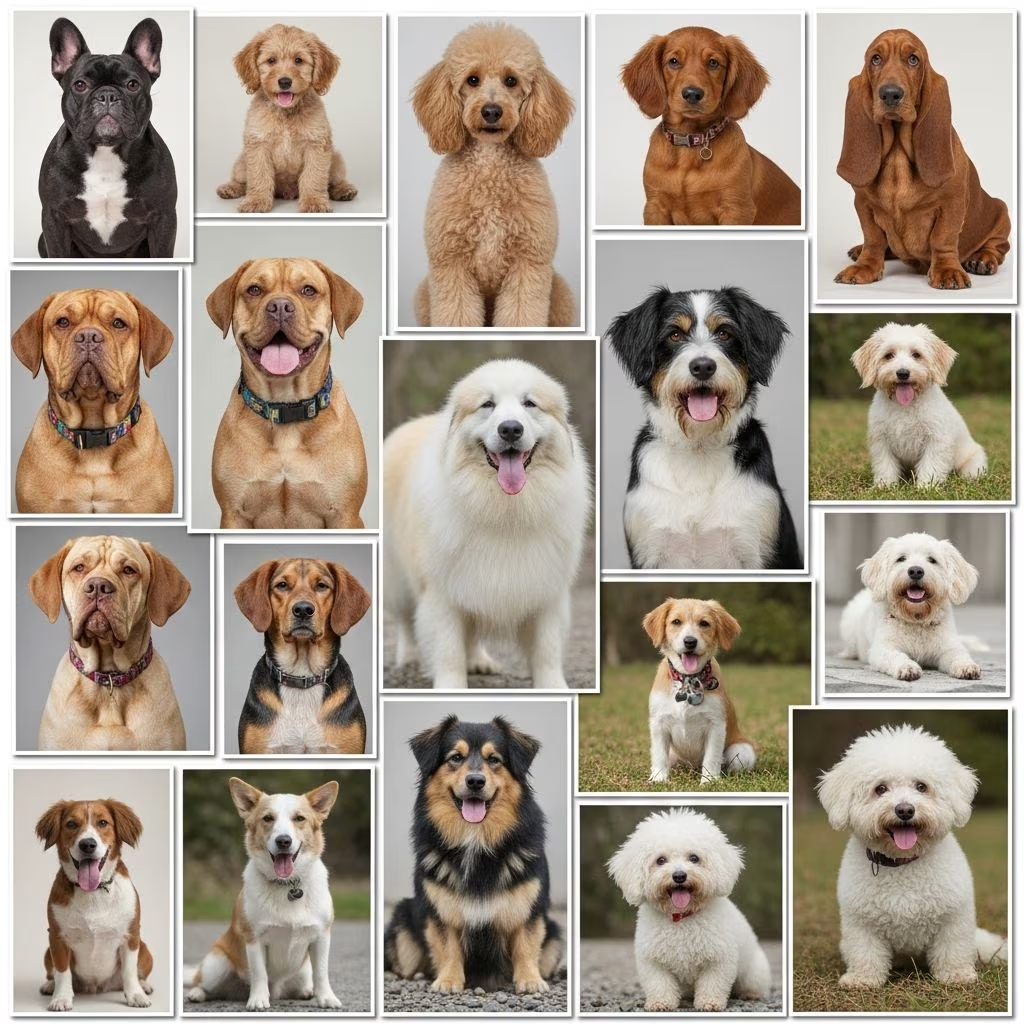
15 French Dog Breeds: Très Adorable Companions
France has contributed some of the most beloved and charming dog breeds to the canine world. These dogs are known for their distinctive personalities, elegant appearances, and remarkable adaptability to various living situations. Whether you’re looking for a small companion dog or a larger working breed, French dog breeds offer diverse options for different lifestyles and preferences. This comprehensive guide explores fifteen remarkable French dog breeds that have captured the hearts of dog lovers worldwide.
Understanding French Dog Breeds
French dog breeds represent a rich heritage of breeding excellence, combining aesthetic appeal with functional temperaments. These breeds have been developed over centuries to meet specific needs, from hunting companions to lap dogs. What sets French breeds apart is their remarkable ability to balance affection with independence, making them suitable for various household types. Whether you reside in an apartment or a sprawling countryside home, French dog breeds demonstrate impressive adaptability.
The French Bulldog: The Iconic Companion
The French Bulldog stands as one of the most recognizable French dog breeds worldwide. These charming dogs are characterized by their compact size, distinctive bat-like ears, and affectionate nature. French Bulldogs possess a friendly and playful temperament, making them excellent companions for families, singles, couples, and seniors alike. Their easygoing personalities adapt well to various living situations, from apartments to larger homes.
Personality and Temperament
French Bulldogs are known for their gentle, friendly, and affectionate demeanor. They are rarely aggressive and typically remain calm even during their younger years, though they may experience occasional bouts of hyperactivity. These dogs form strong bonds with their owners and demonstrate unwavering loyalty. Female French Bulldogs often display slightly higher levels of affection compared to their male counterparts.
Exercise and Activity Needs
Unlike high-energy breeds, French Bulldogs do not require extensive exercise routines. Short sessions of light exercise are sufficient to maintain their health and happiness. Their lower energy levels make them ideal for individuals who cannot commit to prolonged physical activities.
Training and Intelligence
French Bulldogs possess medium intelligence levels and are fairly easy to train due to their desire to please their owners. However, they have relatively short attention spans, making training a gradual process requiring patience and consistency. Positive reinforcement techniques work exceptionally well with this breed. Early basic obedience training is vital to prevent behavioral issues and establish clear household rules.
Family Compatibility
French Bulldogs can be ideal family pets, though they are best suited to families with children over five years old due to their flat-faced structure and susceptibility to injury. Teaching children to respect the dog’s boundaries and recognize warning signs is essential for a harmonious household.
Other Notable French Dog Breeds
The Brittany Spaniel
The Brittany Spaniel represents an affectionate and calm hunting companion that excels in both field and home environments. These dogs demonstrate keen enthusiasm for hunting activities while maintaining a sociable disposition with other dogs. They are gentle, eager to please, and remarkably intelligent, making them suitable for both experienced and first-time dog owners. Brittany Spaniels require regular exercise and mental stimulation to thrive.
The Poodle (French Variety)
French Poodles, particularly the Standard and Miniature varieties, are renowned for their intelligence and trainability. These elegant dogs combine athleticism with refined aesthetics. Poodles are highly social, eager to please, and excel in various dog sports and competitions. Their hypoallergenic coat requires regular grooming and maintenance.
The Bichon Frise
The Bichon Frise is a small, cheerful companion dog with a distinctive white, fluffy coat. These dogs are exceptionally friendly, playful, and adaptable to various living situations. Bichon Frises are excellent for families and individuals seeking an affectionate, low-shedding companion. They require regular grooming to maintain their characteristic appearance.
The Basset Hound
Basset Hounds are distinctive dogs recognized by their long ears, short legs, and droopy expressions. These gentle hounds possess calm temperaments and remarkable scent-tracking abilities. They are loyal family companions that get along well with children and other pets. Basset Hounds require moderate exercise and appreciate relaxed living environments.
The Papillon
Despite their small size, Papillons are remarkably intelligent and energetic companion dogs. Named for their butterfly-like ears, these dogs are alert, affectionate, and eager to please. Papillons excel in obedience training, dog sports, and agility competitions. They thrive with owners who can provide mental stimulation and regular interaction.
The Cavalier King Charles Spaniel
Cavalier King Charles Spaniels combine elegance with a gentle, affectionate temperament. These medium-sized spaniels are renowned for their loving nature and adaptability to various households. They are excellent with children and other pets, making them ideal family companions. Cavaliers require regular exercise and appreciate spending quality time with their owners.
The Pug
Pugs are small companion dogs with distinctive wrinkled faces and compact bodies. These charming dogs are affectionate, playful, and adaptable to apartment living. Pugs form strong bonds with their owners and thrive on human companionship. They require minimal exercise and appreciate moderate living environments.
The Dogue de Bordeaux
The Dogue de Bordeaux is a large, powerful French mastiff breed known for its loyalty and protective nature. Despite their imposing appearance, these dogs are affectionate family companions with gentle temperaments. They require experienced owners who can provide proper socialization, training, and living space. Dogues de Bordeaux are devoted protectors of their families.
The Beauceron
Beaucerons are large, athletic working dogs with impressive intelligence and trainability. Originally developed as herding dogs, these breed members are loyal, courageous, and protective. Beaucerons require experienced owners, regular exercise, and mental stimulation. They excel in working roles and competitive dog sports.
The French Pointer
French Pointers are elegant hunting dogs combining athleticism with gentle dispositions. These dogs possess keen hunting instincts alongside friendly, sociable temperaments. French Pointers require regular exercise and appreciate outdoor activities. They form strong bonds with their families while remaining independent-minded.
Comparing French Dog Breeds
| Breed | Size | Energy Level | Temperament | Best For |
|---|---|---|---|---|
| French Bulldog | Small | Low | Affectionate, Playful | Apartment Dwellers |
| Brittany Spaniel | Medium | High | Gentle, Eager | Active Families |
| Poodle | Varies | Medium-High | Intelligent, Playful | Sport Enthusiasts |
| Bichon Frise | Small | Medium | Cheerful, Friendly | Families, Seniors |
| Basset Hound | Medium | Low-Medium | Calm, Loyal | Relaxed Households |
| Dogue de Bordeaux | Large | Low-Medium | Loyal, Protective | Experienced Owners |
Key Characteristics of French Dog Breeds
French dog breeds share several defining characteristics that make them distinctive among canine companions:
Affection and Loyalty
French dog breeds are renowned for their deep affection and unwavering loyalty to their families. These dogs form strong emotional bonds and seek constant companionship. Many French breeds exhibit clingy behavior rooted in their desire for security and love rather than behavioral issues. This trait makes them excellent companion animals for individuals seeking devoted pets.
Adaptability
French dog breeds demonstrate impressive adaptability to various living situations. Whether residing in small apartments or sprawling countryside estates, these dogs adjust remarkably well. Their flexible nature allows them to thrive in diverse environments while maintaining consistent temperaments.
Intelligence and Trainability
Most French dog breeds possess good to excellent intelligence levels. They respond well to voice commands and demonstrate keen listening abilities, though some breeds exhibit selective hearing when distracted. Training these dogs requires patience, consistency, and positive reinforcement techniques.
Watchdog Abilities
Many French dog breeds possess natural alertness and watchdog capabilities. They attentively monitor their territories, alert owners to unusual activities, and notice changes in their environments. However, most French breeds are not naturally aggressive or excessive barkers, preferring to give quick alerts rather than constant vocalization.
Social Nature
French dog breeds are typically generous with their affection toward both family members and strangers. Their approachable demeanor makes them excellent social companions. These dogs generally coexist peacefully with other animals and adapt well to multi-pet households.
Caring for French Dog Breeds
Exercise Requirements
Exercise needs vary significantly among French dog breeds. Small breeds like French Bulldogs and Bichon Frises require minimal to moderate exercise, while sporting breeds like Brittany Spaniels demand substantial daily activity. Understanding your breed’s specific exercise requirements ensures optimal health and behavioral balance.
Grooming and Coat Care
French dog breed grooming requirements vary considerably. Short-coated breeds like French Bulldogs require minimal grooming, while Poodles demand regular professional grooming. Regular brushing, nail trimming, and ear cleaning maintain coat health and prevent skin issues.
Health Considerations
French dog breeds can be prone to specific health conditions. Adopting one of these dogs represents a long-term commitment requiring regular veterinary visits and preventative care. Understanding breed-specific health concerns enables owners to provide appropriate medical attention and early intervention when necessary.
Training and Socialization
Early socialization and consistent training are vital for all French dog breeds. Establishing clear household rules, teaching basic obedience, and exposing puppies to diverse experiences create well-adjusted adult dogs. French breeds respond best to positive reinforcement rather than harsh correction methods.
Attention and Companionship
French dog breeds require attentive, present owners who can provide regular interaction and emotional support. These companion-oriented dogs thrive when their owners are engaged and responsive to their needs. Neglecting their need for attention can lead to destructive behaviors, excessive barking, or separation anxiety.
Selecting the Right French Dog Breed
Choosing an appropriate French dog breed requires careful consideration of your lifestyle, living situation, and personal preferences. Small apartment dwellers might prefer French Bulldogs or Bichon Frises, while active individuals might choose Brittany Spaniels or Poodles. Families with children benefit from breeds known for gentle temperaments and patience. First-time dog owners should select breeds with cooperative natures and trainability.
Frequently Asked Questions
Q: Are French dog breeds good with children?
A: Many French dog breeds, including French Bulldogs, Cavalier King Charles Spaniels, and Bichon Frises, are excellent with children. However, supervision is essential, especially with smaller breeds that might be injured during rough play. Teaching children to respect the dog’s boundaries ensures safe interactions.
Q: Do French dog breeds require extensive exercise?
A: Exercise requirements vary by breed. Small companions like French Bulldogs need minimal exercise, while sporting breeds like Brittany Spaniels require substantial daily activity. Research your specific breed’s needs before adoption.
Q: Are French dog breeds prone to separation anxiety?
A: Many French dog breeds form strong attachments to their owners and may experience separation anxiety when left alone. Providing appropriate toys, gradual desensitization to alone time, and maintaining consistent routines helps mitigate anxiety.
Q: How trainable are French dog breeds?
A: Most French dog breeds are reasonably trainable, though some display independent streaks. Positive reinforcement, consistency, patience, and engaging training sessions yield the best results. Early obedience training prevents behavioral issues.
Q: What health issues affect French dog breeds?
A: French dog breeds can be prone to breed-specific health conditions. Regular veterinary check-ups, appropriate nutrition, exercise, and preventative care help maintain optimal health. Sourcing puppies from responsible breeders reduces hereditary health risks.
Q: Are French dog breeds suitable for first-time dog owners?
A: Yes, many French dog breeds like French Bulldogs, Bichon Frises, and Cavalier King Charles Spaniels are suitable for first-time owners. These breeds typically have cooperative temperaments and respond well to consistent training with positive reinforcement.
References
- French Bulldog Dog Breed Guide — Everfur. 2024. https://reports.everfur.com/blogs/news/french-bulldog-dog-breed-guide
- About the French Bulldog’s Temperament — PetScreening. 2024. https://www.petscreening.com/blog/the-french-bulldogs-temperament
- French Bulldog Personality & Characteristics — Bark Busters. 2024. https://www.barkbusters.com/breed-of-the-month/french-bulldog
- The French Bulldog: Origin, Temperament, Health and Price — Weenect. 2024. https://www.weenect.com/us/en/guide/dog-breeds/french-bulldog/
- These 15 French Dog Breeds are Très Adorable — Chewy. 2024. https://www.chewy.com/education/dog/general/behavior-breeds-11-french-dog-breeds



