

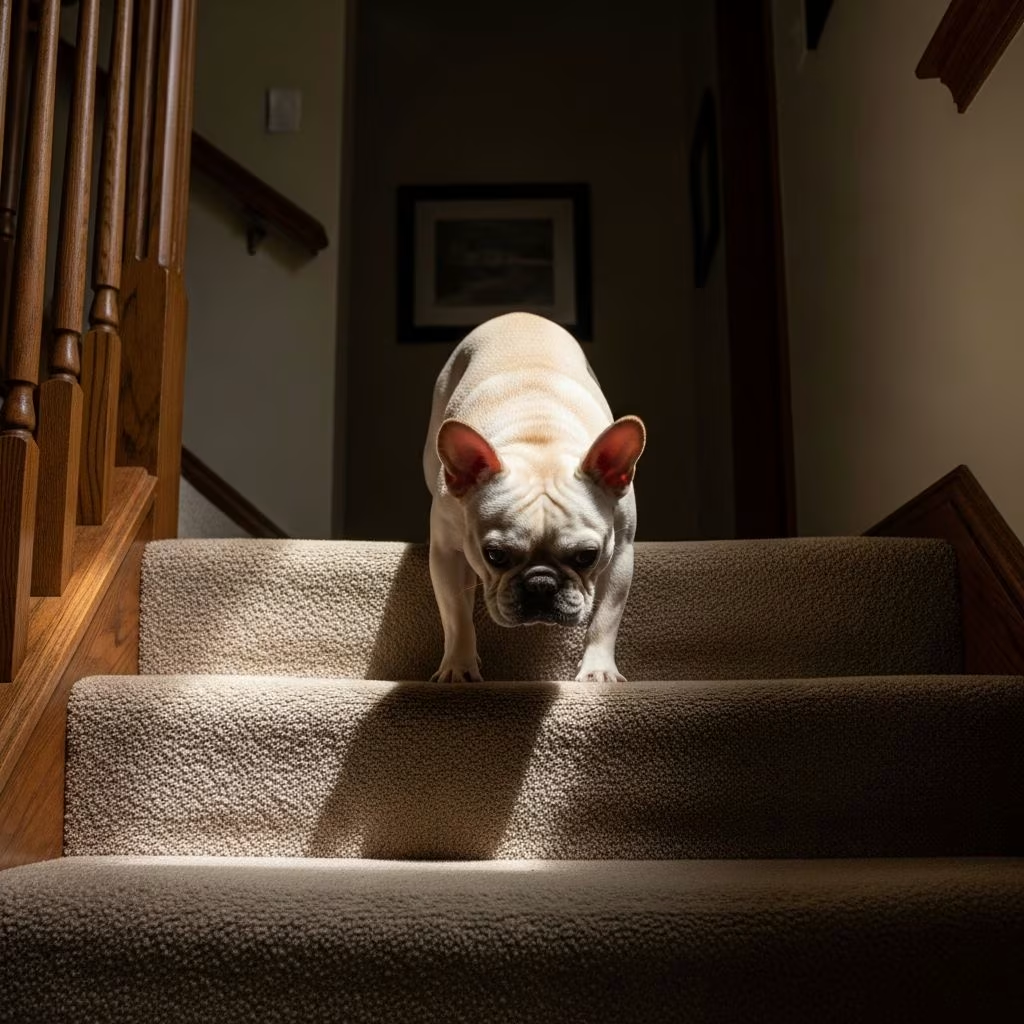
French Bulldogs, with their compact frames and charming personalities, often face unique challenges when navigating stairs due to predisposed health conditions affecting their spines and joints. While not entirely prohibited, allowing them unrestricted access requires caution to prevent injuries like intervertebral disc disease (IVDD).
Understanding French Bulldog Anatomy and Stair Risks
The brachycephalic structure of French Bulldogs—short legs, heavy torsos, and curved spines—creates biomechanical stress during stair climbing. Each step demands powerful hindquarter thrusts and spinal flexion, amplifying pressure on vulnerable intervertebral discs. Over time, repetitive motions contribute to degeneration, potentially leading to herniation where disc material compresses the spinal cord.
Mobility vulnerabilities stem from genetics: hip dysplasia, patellar luxation, and degenerative myelopathy (DM) compound the issue. Patellar luxation, where the kneecap dislocates, causes skipping gaits that worsen on uneven stair surfaces. DM progressively weakens hind limbs, making descents particularly hazardous as coordination fails.
- Spinal Load: Upward climbs strain lumbar discs; downward steps jar the neck and back.
- Joint Impact: Short limbs increase torque on knees and hips per step.
- Balance Challenges: Low center of gravity helps but low endurance leads to fatigue-induced slips.
Common Mobility Disorders Impacting Stair Use
French Bulldogs rank high for orthopedic and neurological issues that manifest early, often by age 4. IVDD tops the list, with symptoms ranging from back pain to paralysis. Owners report sudden yelps or reluctance after stair use, signaling disc extrusion.
| Condition | Symptoms on Stairs | Prevalence in Frenchies |
|---|---|---|
| IVDD/IVDH | Hesitation, dragging paws, sudden collapse | High; onset 4+ years |
| Patellar Luxation | Skipping, lameness after descents | Common due to limb structure |
| Degenerative Myelopathy | Hind weakness, stumbling downward | Progressive in seniors |
| Hip Dysplasia | Bunny-hopping up stairs, pain | Genetic predisposition |
Neurological signs like head tilting or unsteady gait further complicate navigation, as noted in veterinary imaging reports.
Age-Related Considerations for Stair Access
Puppies under 6 months have softer skeletons, risking growth plate damage from jumps or stairs. Geriatric Frenchies (7+ years) show arthritis, sensory decline, and organ strain that exacerbate mobility woes. Excess weight, common from reduced activity, stresses aging joints—maintain ideal body condition via diet.
Seniors may exhibit:
- Lameness lasting days.
- Incontinence or urination struggles post-stairs.
- Diminished hearing/vision, slowing reactions.
Signs Your Frenchie Struggles with Stairs
Monitor for behavioral cues: avoiding stairs, whimpering mid-climb, trembling legs, or post-stair lethargy. Physical indicators include arched backs, tucked tails, or paw dragging. Sudden paralysis post-jump signals emergency IVDD—rush to a vet.
Quick Symptom Checklist
- Trembling or shaking during ascent/descent.
- Refusal to follow onto stairs.
- Abnormal gait like hopping or knuckling.
- Pain vocalization when touched along spine.
- Loss of bladder control after activity.
Safe Alternatives to Traditional Stairs
Minimize risks with home adaptations. Ramps reduce spinal flexion by 70% compared to stairs, distributing weight evenly.
- Pet Ramps: Non-slip surfaces, 1:4 incline max; place near furniture.
- Stair Gates: Confine to single-level areas.
- Elevators/Carriers: For multi-story homes; slings for short carries.
- Harnesses: Support hindquarters during assisted navigation.
For outdoors, portable folding ramps aid car access, preventing leaps.
Training Techniques for Confident Stair Navigation
Introduce stairs gradually with positive reinforcement. Start on low steps (2-3), using treats and praise. Employ a harness for support, guiding gently without pulling. Practice short sessions daily, increasing height slowly. Never force—stop at resistance.
- Desensitize with treats at each step.
- Use clicker training for successes.
- Practice both directions equally.
- End sessions positively to build confidence.
Avoid unsupervised access until proficient.
Veterinary Interventions and Prevention Strategies
Regular check-ups detect issues early via X-rays or MRIs. Weight management via senior diets prevents joint overload. Supplements like glucosamine support cartilage, though evidence varies.
Treatment escalates by severity:
- Mild: Rest, NSAIDs, physio.
- Moderate: Acupuncture, hydrotherapy.
- Severe: Surgery for disc removal; wheelchairs for paralysis.
Breeding from health-tested parents reduces genetic risks.
Daily Exercise Routines Without Stairs
Opt for flat walks (20-30 mins), swimming, or puzzle toys to maintain fitness. Mental stimulation via scent games preserves cognition in seniors.
FAQs
Can puppies use stairs?
Limit until 12-16 weeks; use ramps to protect developing joints.
Is surgery always needed for IVDD?
No, conservative management succeeds in 80% mild cases, but severe requires intervention.
How much weight is safe for a Frenchie?
Under 28 lbs ideal; obesity doubles joint stress.
Are ramps expensive?
Basic models $50-150; durable ones $200+ for lifelong use.
What if my dog suddenly can’t walk?
Emergency vet—possible disc herniation.
Proactive care ensures French Bulldogs enjoy active lives despite anatomical limits. Consult vets for tailored plans.
References
- What are a French Bulldog’s Most Common Health Issues? — Volhard Dog Nutrition. 2023. https://www.volharddognutrition.com/blog/what-are-a-french-bulldogs-most-common-health-issues/
- 5 Common Frenchie Health Issues & How to Treat and Prevent Them — Welleby Veterinary. 2024. https://wellebyvet.com/blog/5-common-frenchie-health-issues/
- Neurological Disorders in French Bulldogs — Sage Veterinary Imaging. 2023. https://www.sageveterinary.com/blog/is-your-best-friend-a-french-bulldog
- Joint Issues in French Bulldogs — AllinFlex NZ. 2024. https://allinflex.co/blogs/comprehensive-guide-to-joint-health-for-popular-dog-breeds/joint-issues-in-french-bulldogs
- Geriatric Care for your French Bulldog — French Bulldog Club. 2023. https://frenchbulldogclub.org/olderfrenchie/



