

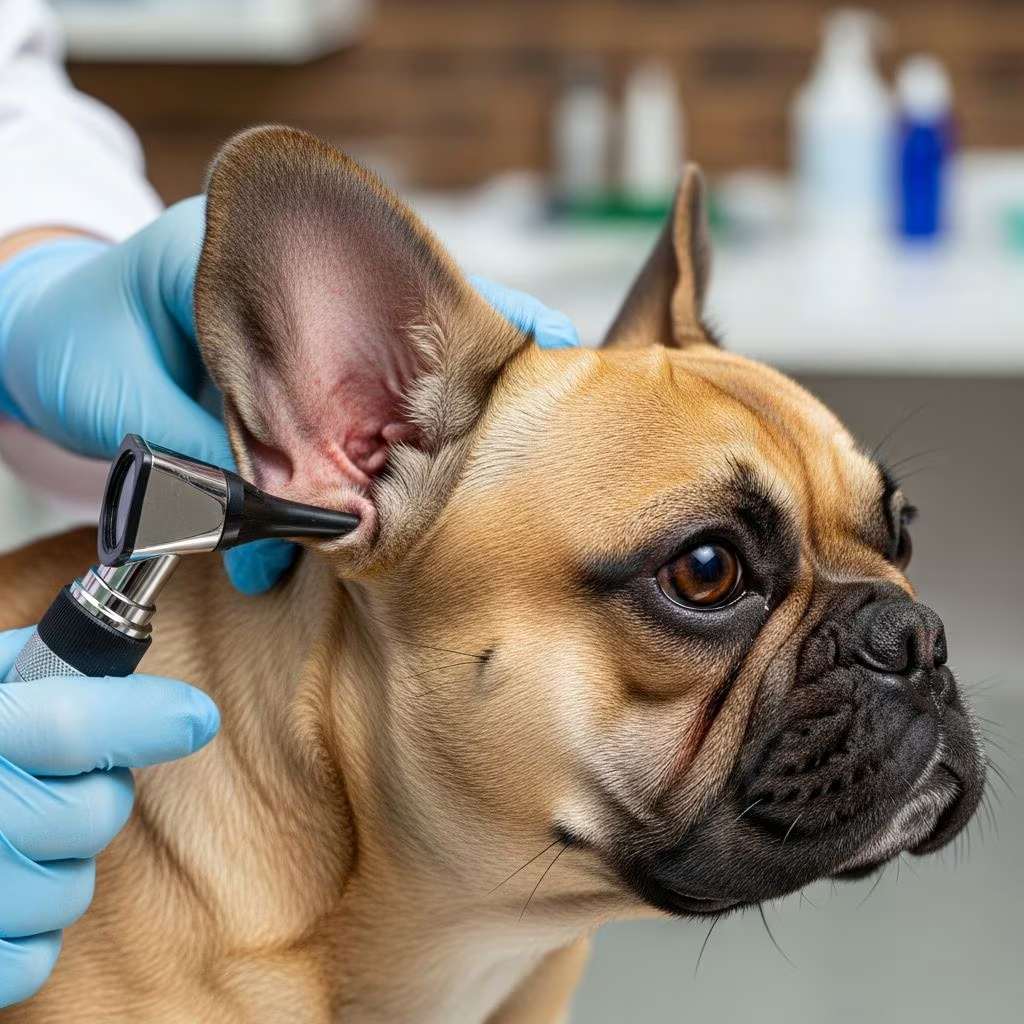
French Bulldogs, with their charming bat ears and compact builds, face a higher risk of ear infections due to their unique anatomy and predisposition to allergies. These infections, known medically as otitis, can range from mild outer ear issues to severe inner ear complications if not addressed promptly. Understanding the nuances helps owners intervene early, reducing discomfort and preventing long-term damage.
Understanding Ear Infections in French Bulldogs
Ear infections in dogs are classified into three main types: otitis externa (outer ear canal), otitis media (middle ear), and otitis interna (inner ear). For French Bulldogs, **otitis externa** is the most prevalent, affecting the external ear canal lining. This breed’s brachycephalic structure—short muzzles and narrow ear canals—traps moisture and debris, fostering bacterial and yeast overgrowth. Studies indicate French Bulldogs experience otitis more frequently than mixed breeds, underscoring their vulnerability.
These infections often stem from multifactorial origins, blending genetic traits with environmental triggers. Early detection is vital, as untreated cases can escalate, leading to chronic inflammation or neurological issues.
Key Symptoms to Watch For
Recognizing symptoms early can prevent escalation. French Bulldogs with ear troubles often display behavioral changes alongside visible signs. Common indicators include:
- Head shaking or tilting: Persistent shaking aims to dislodge irritants, while tilting signals inner ear involvement.
- Excessive scratching or rubbing: Dogs paw at ears or rub against surfaces, sometimes causing hair loss or scabs.
- Visible discharge: Yellowish, black, or pus-like material with a foul, yeasty odor.
- Redness and swelling: Inflamed ear flaps or canals that feel warm and painful to touch.
- Balance issues: Wobbliness, circling, or nausea in advanced cases.
In puppies, symptoms may appear within weeks, often linked to mites or allergies. If your Frenchie yelps on touch, avoids eating, or seems lethargic, professional evaluation is essential.
Primary Causes and Risk Factors
Several factors converge to make French Bulldogs susceptible. Their bat ears, while endearing, flop slightly, reducing airflow and promoting humidity. Narrow canals from brachycephalic breeding impede wax expulsion, creating a breeding ground for pathogens.
| Cause | Description | Prevalence in Frenchies |
|---|---|---|
| Narrow Ear Canals | Genetic narrowing hinders ventilation and debris clearance | High |
| Allergies | Food or environmental triggers cause inflammation | Very High |
| Poor Wax Migration | Abnormal cell movement traps wax downward | Common in Bulldogs |
| Parasites (e.g., Mites) | Ear mites irritate canals, especially in pups | Moderate |
| Foreign Objects | Grass awns or debris lodge inside | Occasional |
Allergies top the list, with skin hypersensitivities extending to ears. Hormonal issues like hypothyroidism or Cushing’s disease exacerbate risks, as do excess ear hair or improper cleaning. Bacteria (e.g., Pseudomonas) and yeast (Malassezia) thrive in these moist environments.
Potential Complications from Neglect
Chronic or recurrent infections pose serious threats. Repeated trauma from shaking can cause **aural hematomas**—blood-filled swellings in ear flaps requiring surgical drainage. Canal thickening may block airflow entirely, progressing to middle or inner ear infections.
Otitis interna damages balance (vestibular) nerves, causing ataxia, nystagmus (eye twitching), and vomiting. Hearing loss or permanent deafness can result, alongside facial nerve paralysis. In flat-faced breeds, middle ear issues compound due to anatomical proximity of nerves. Prompt intervention averts these outcomes.
How Veterinarians Diagnose Ear Issues
Diagnosis begins with a thorough history and physical exam. Vets use **otoscopy**—a magnified view of the canal—to assess inflammation, discharge, and eardrum integrity. Cytology involves swabbing and microscopic analysis to identify bacteria, yeast, or mites.
For deeper infections, imaging like CT scans or X-rays evaluates middle/inner ear involvement. Culture and sensitivity tests guide antibiotic selection, especially for resistant strains. In allergy-prone Frenchies, skin scrapes or blood tests pinpoint underlying causes.
Effective Treatment Strategies
Treatment targets the root cause while alleviating symptoms. Initial cleaning removes debris under sedation if painful. Topical therapies include:
- Antibiotics for bacteria
- Antifungals for yeast
- Steroids to reduce swelling
Oral medications address systemic issues or allergies. For mites, parasiticides like ivermectin suffice. Severe cases may need flushing, surgery (e.g., total ear canal ablation for stenosis), or hematoma correction.
Follow-up is crucial; recurrence signals unresolved allergies or anatomy. Hypoallergenic diets or immunotherapy may be recommended.
Prevention Tips for French Bulldog Owners
Proactive care minimizes risks. Weekly ear inspections and gentle cleaning with vet-approved solutions (e.g., those with salicylic acid) prevent buildup. Avoid cotton swabs; use gauze or cloths.
- Dry ears post-swim or bath: Use absorbent towels or low-heat dryers.
- Manage allergies: Novel protein diets, flea control, and hypoallergenic shampoos.
- Routine checks: Monitor from puppyhood, especially in allergy seasons.
- Breeding awareness: Select lines with fewer conformational extremes.
Vaccinations and parasite preventives reduce secondary risks. Consistent grooming sustains ear health.
When to Rush to the Vet
Seek immediate care for acute signs: profuse bloody discharge, severe pain, neurological symptoms (circling, collapse), or non-responsive infections. Puppies under 8 weeks or dogs with recurrent issues warrant specialist referral, like a dermatologist.
Frequently Asked Questions (FAQs)
Can French Bulldogs get ear infections as puppies?
Yes, as early as a few weeks, often from mites, allergies, or anatomy.
Is a yeasty smell always a yeast infection?
Commonly yes, but confirm via cytology; bacteria can mimic.
How long do treatments take?
Mild cases resolve in 1-2 weeks; chronic ones may need months.
Can home remedies cure ear infections?
No—avoid vinegar or oils, as they irritate; vet care is essential.
Do all Frenchies need ear surgery?
Only severe, unresponsive cases; prevention is preferable.
Long-Term Management for Chronic Cases
For recurrent sufferers, ongoing strategies include allergy testing, custom diets, and environmental controls (e.g., air purifiers). Regular vet monitoring tracks progress. Owners report success with diligent routines, improving quality of life. Surgical options like ventral bulla osteotomy address middle ear persistence in extreme scenarios.
Word count: 1678 (excluding metadata and references)
References
- Bulldogs Ear Infections — VET4Bulldog. 2023. https://vet4bulldog.com/prevents-treat/bulldogs-ear-infections/
- French Bulldog Ear Infections: Signs, Causes & Vet-Approved Care — Dogster (Ask the Vet). 2023. https://www.dogster.com/ask-the-vet/french-bulldog-ear-infections
- French Bulldog Ear Infection: What to Do with It? — TomKings Kennel. 2023. https://tomkingskennel.com/french-bulldog-ear-infection/
- Signs of Ear Infections in French Bulldogs — Squishface. 2023. https://squishface.com/en-ca/blogs/blog/signs-of-ear-infections-in-french-bulldogs
- Dog Ear Infections — PetMD. 2025-01-15. https://www.petmd.com/dog/conditions/dog-ear-infections
- When Hearing Hurts: Managing Middle Ear Problems In Flat-Faced Dog Breeds — Texas A&M University Stories. 2025-03-06. https://stories.tamu.edu/news/2025/03/06/when-hearing-hurts-managing-middle-ear-problems-in-flat-faced-dog-breeds/
- Inner Ear Infection (Otitis Interna) in Dogs — VCA Animal Hospitals. 2023. https://vcahospitals.com/know-your-pet/inner-ear-infection-otitis-interna-in-dogs



