

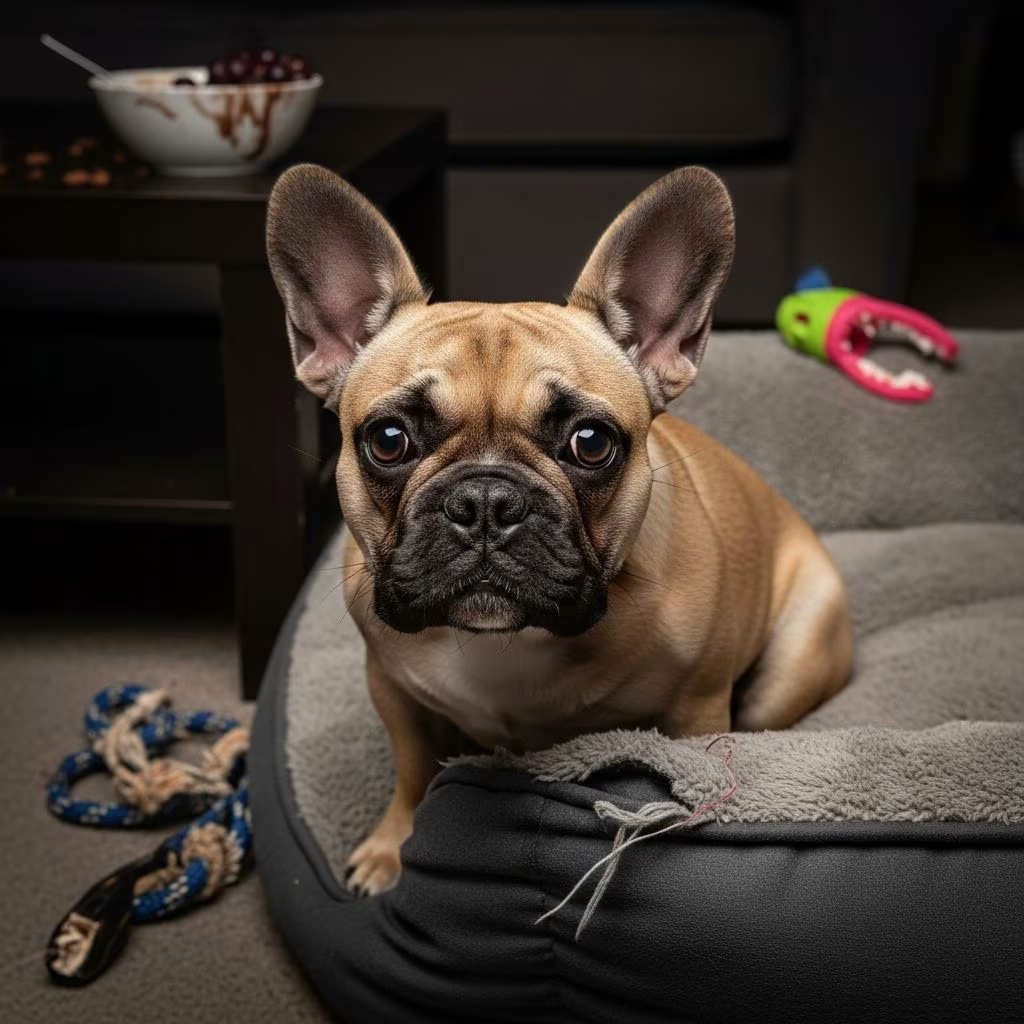
French Bulldogs, with their charming bat ears and compact builds, demand attentive care due to their brachycephalic structure and predisposition to specific ailments. Overlooking breed-specific needs can lead to serious health complications. This guide outlines key errors to evade for a thriving companion.
Exposing Them to Extreme Temperatures
French Bulldogs suffer from Brachycephalic Obstructive Airway Syndrome (BOAS), making breathing labored in heat or humidity. Owners often err by taking them on walks during peak summer hours or in poorly ventilated spaces.
- Avoid outdoor activities when temperatures exceed 75°F (24°C); opt for early morning or evening strolls.
- Never leave them in cars, even briefly, as internal heat builds rapidly.
- Provide constant access to cool, shaded areas with ample fresh water during warm weather.
Heatstroke signs include excessive panting, weakness, and collapse—seek vet care immediately if observed. In winter, prevent chills by using insulated coats, as their short fur offers minimal protection.
Overlooking Skin and Fold Maintenance
Their wrinkled faces and skin folds trap moisture, fostering bacterial and yeast infections. A frequent mistake is infrequent cleaning, leading to chronic dermatitis or allergies.
Clean folds daily with a damp, unscented cloth or vet-approved wipes, then dry thoroughly to avoid moisture buildup. Neglecting this promotes itching, redness, and secondary infections, especially in allergy-prone Frenchies.
| Grooming Task | Frequency | Tips |
|---|---|---|
| Facial Folds | Daily | Gently wipe and dry completely; check for redness. |
| Bathing | Every 4-6 weeks | Use hypoallergenic shampoo; avoid overbathing to preserve skin oils. |
| Ear Cleaning | Weekly | Use vet-recommended solution; dry paws between toes post-bath. |
| Nail Trimming | Every 3-4 weeks | Prevent overgrowth causing pain or gait issues. |
Paw care is vital too—dry interdigital areas after wetting to prevent cysts or irritation.
Ignoring Weight Management and Diet
Obesity exacerbates joint strain, breathing woes, and conditions like hip dysplasia in this sturdy yet small breed. Overfeeding table scraps or calorie-dense treats is a top blunder.
- Stick to high-quality, age-appropriate kibble; limit treats to under 10% of daily calories.
- Monitor portions based on weight and activity—adult Frenchies need about 25-30 kcal per pound daily.
- Incorporate short walks (15-20 minutes, 2-3 times daily) and play, avoiding vigorous runs.
GI issues like inflammatory bowel disease or acid reflux are common; sudden diet switches worsen them. Consult vets for tailored plans.
Skipping Dental and Eye Vigilance
Crowded teeth and misaligned jaws heighten periodontal disease risk. Brushing neglect leads to plaque buildup, pain, and tooth loss.
Daily brushing with enzymatic toothpaste, plus dental chews and annual professional cleanings, mitigates this. Eye disorders—cataracts, ulcers, entropion—require monitoring; keep areas clean and report squinting or discharge.
Pushing Excessive Physical Activity
Though playful, Frenchies tire quickly due to airway restrictions. Owners mistake them for high-energy breeds, causing overexertion, fainting, or injury.
Prefer low-impact activities: indoor fetch, puzzle toys, or gentle swims in cool water. Halt exercise at snorting or heavy breathing signs.
Delaying Vaccinations and Parasite Prevention
Puppies need core vaccines (distemper, parvovirus, adenovirus) starting at 7-8 weeks, with boosters every 3 weeks. Skipping fecal checks risks worms like giardia or coccidia.
- Use vet-prescribed flea/tick preventives; avoid combining products to prevent overdose.
- Leptospirosis vaccine only if high-risk exposure; bordetella for boarding.
Regular deworming and heartworm prevention are non-negotiable.
Neglecting Routine Vet Checkups
Annual exams catch hip dysplasia, IVDD, or spinal issues early. Owners often wait for crises, allowing treatable problems to escalate.
Schedule puppy wellness visits, spay/neuter discussions, and senior screenings post-7 years.
Common Emergency Oversights
Recognize blue gums, collapse, or prolonged vomiting as urgent—rush to ER. GI disorders like hiatal hernia demand prompt intervention.
FAQs
Can French Bulldogs swim?
Typically no—their structure hinders paddling; life vests don’t guarantee safety. Supervised, shallow pools only.
How often should I bathe my Frenchie?
Every 4-6 weeks with mild shampoo; frequent baths strip oils, worsening skin issues.
Are stairs bad for French Bulldogs?
Limit access to prevent joint stress and spinal injuries; use ramps for safety.
What treats are safe?
Low-cal options like carrots or apple slices; avoid grapes, chocolate, xylitol.
Do they need special food?
Yes—grain-free or limited-ingredient for allergies; vet nutritionist for sensitivities.
By dodging these pitfalls, French Bulldog owners foster longer, healthier lives—often 10-12 years. Proactive care transforms challenges into joys.
References
- Caring for a French Bulldog: Health Tips and Breed-Specific Needs — Skyway Animal Hospital. 2023. https://skywayah.com/caring-for-a-french-bulldog-health-tips-and-breed-specific-needs/
- French Bulldogs: The Truth About America’s Favorite Dog — Flora Family Vet. 2024. https://florafamilyvet.com/french-bulldogs-the-truth-about-americas-favorite-dog/
- French Bulldogs 101: What Every Frenchie Owner Should Know — All Breed Pet Care. 2023. https://allbreedpetcare.com/french-bulldogs-101-what-every-frenchie-owner-should-know/
- Daily Care for French Bulldog Puppies — NW Frenchies. 2024. https://www.nwfrenchies.com/puppy-care
- French Bulldog Frenchie: Complete Care Guide 2026 — Rubyloo. 2026. https://rubyloo.co/blogs/news/french-bulldog-frenchie
- French Bulldog Dog Breed Information — American Kennel Club. 2025-01-15. https://www.akc.org/dog-breeds/french-bulldog/



