

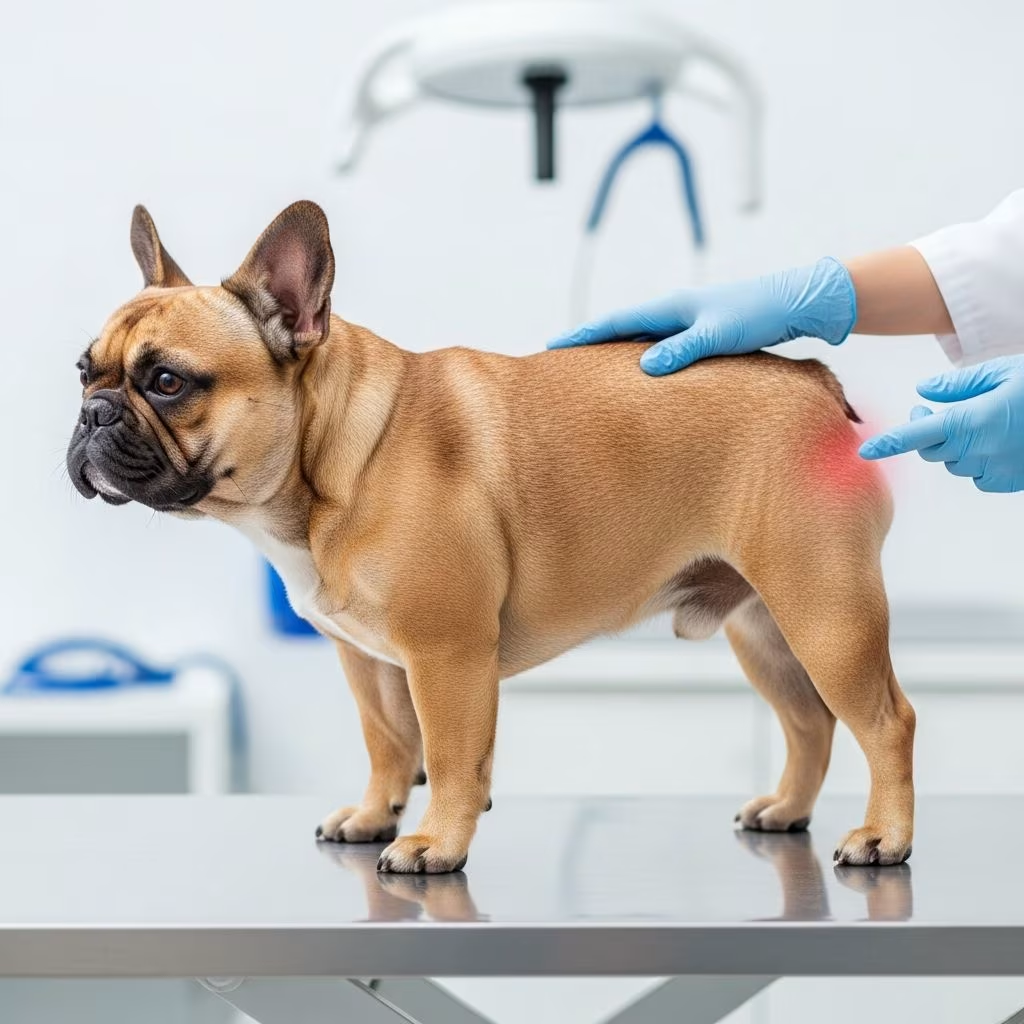
French Bulldogs frequently encounter anal sac disorders due to their unique body structure and predispositions, with brachycephalic breeds showing 2.6 times higher risk compared to others. These small pouches near the anus can become impacted, infected, or abscessed, leading to discomfort if not managed properly.
Understanding Anal Sacs in Canines
Anal sacs, positioned at 4 and 8 o’clock around the anus, produce fluid for marking territory and naturally empty during defecation. In French Bulldogs, their compact build, corkscrew tails, and deep tail pockets hinder natural expression, trapping secretions. Over time, this buildup thickens the contents, promoting bacterial growth and complications.
Why French Bulldogs Are Vulnerable
The breed’s flat face and stocky frame contribute significantly. Brachycephalic dogs like Frenchies, Pugs, and Bulldogs often lack athleticism, gaining weight easily, which weakens perianal muscles needed for gland squeezing. Studies confirm this elevated odds ratio, linking it to conformational issues rather than isolated genetics.
- Obesity factor: Excess fat reduces muscle tone, preventing firm stool pressure on sacs.
- Tail conformation: Corkscrew tails create moist pockets harboring bacteria.
- Skin folds: Hard-to-clean areas foster infections spreading to sacs.
Additionally, allergies and soft stools from diet sensitivities exacerbate risks, as loose feces fail to express glands adequately.
Recognizing Symptoms Early
Owners often notice behavioral changes first. Common indicators include:
- Dragging rear on floors (scooting) to relieve itchiness.
- Obsessive licking or biting at the hindquarters.
- Fishy or foul odor from the rear.
- Swelling, redness, or hair loss near the anus.
- Pain when sitting or defecating, sometimes with bloody discharge.
These signs mimic other issues like parasites or allergies, so veterinary confirmation via rectal exam is crucial. Untreated, impactions progress to inflammation (sacculitis) or abscesses, potentially rupturing with pus drainage.
Risk Factors Beyond Breed Traits
Several modifiable elements heighten susceptibility:
| Risk Factor | Impact on Anal Sacs | Prevalence in Frenchies |
|---|---|---|
| Obesity | Weakens sphincter muscles | High due to low activity |
| Diarrhea/Soft Stools | Prevents natural expression | Common from food allergies |
| Skin Allergies | Causes perianal inflammation | Frequent in brachy breeds |
| Poor Grooming | Blocks ducts with debris | Exacerbated by tail pockets |
Gastrointestinal conditions like IBD or adverse food reactions lead to inconsistent stool, while atopic dermatitis swells ducts. Larger breeds with allergies, such as Labradors, face similar troubles, but Frenchies’ anatomy amplifies them.
Diagnosis Process at the Vet
A thorough check starts with observing behavior and physical exam. Vets palpate sacs externally and internally for size, consistency, and pain. Expression reveals contents: normal is brown liquid; impacted is thick paste; infected shows pus or blood.
Further tests may include cytology for bacteria, imaging for abscesses, or ruling out tumors/fistulas via biopsy. Early detection prevents scarring from recurrent issues.
Treatment Options Step-by-Step
Management escalates with severity:
- Manual Expression: Vet gently squeezes sacs; home attempts risk injury.
- Flushing and Meds: For infections, irrigate with antiseptics, prescribe antibiotics, anti-inflammatories, or pain relief.
- Dietary Adjustments: High-fiber foods firm stools for better expression; novel protein diets combat allergies.
- Anal Sacculectomy: Surgical removal for chronic cases, effective but with recurrence risks.
Post-rupture care involves drainage, cleaning, and e-collars to prevent licking.
Preventive Strategies for Long-Term Health
Proactive care minimizes episodes. Maintain ideal weight through portion control and daily walks, as obesity compounds problems. Add fiber sources like pumpkin or psyllium to diets, but transition slowly to avoid diarrhea.
- Pumpkin (plain, canned): 1 tsp per 10 lbs body weight daily.
- Probiotics: Support gut health for firm stools.
- Fish oil: Reduces inflammation from allergies.
- Regular Grooming: Clean tail pockets daily with wipes.
Schedule bi-monthly vet checks for prone dogs. Supplements like seaweed-derived products aid in breed-specific prevention.
Recurrence: What to Expect
Even after treatment, issues return in 35.7% of impaction cases, often within 4-5 months. Monitor closely post-expression, as scarring narrows ducts. Chronic sufferers may need lifelong management or surgery.
FAQs on French Bulldog Anal Sac Health
Q: Can I express my Frenchie’s anal sacs at home?
A: Not recommended without training; improper technique causes trauma. Leave to professionals.
Q: Does diet really help prevent blockages?
A: Yes, high-fiber diets promote firm stools that naturally express sacs. Consult vet for tailored plans.
Q: Is surgery the last resort?
A: Typically yes, for refractory cases with fistulas. Success rates are high, but weigh risks.
Q: Why the fishy smell?
A: Secretions have oily, pungent compounds. Persistent odor signals impaction or infection.
Q: Are all brachycephalic breeds affected equally?
A: French Bulldogs, Bulldogs, and Pugs top the list due to shared conformations.
Holistic Care Tips
Beyond basics, consider environmental factors. Dust-free bedding reduces allergens, and hypoallergenic shampoos soothe skin. Hydration ensures stool moisture without looseness. Track symptoms in a journal for pattern recognition, aiding vet discussions.
For adults, introduce pumpkin gradually; puppies benefit from early fiber exposure. Obese Frenchies on weight-loss plans see dramatic improvements. Owners report fewer scooting episodes with consistent routines.
In multi-dog homes, isolate affected pets to prevent spreading infections via licking. Annual allergy testing identifies triggers, enabling targeted diets.
References
- Breed-Specific Anal Gland Issues in Dogs — Seaweed for Dogs. 2023. https://seaweedfordogs.com/en-us/pages/breed-specific-anal-gland-issues-in-dogs
- Common French Bulldog Anal Gland Health Issues (Vet Answer) — Dogster. 2023. https://www.dogster.com/ask-the-vet/common-french-bulldog-anal-gland-health-issues-vet-answer
- Anal Sac Disease in Dogs — VCA Animal Hospitals. 2024. https://vcahospitals.com/know-your-pet/anal-sac-disease-in-dogs
- Disorders of the Rectum and Anus in Dogs — Merck Veterinary Manual. 2025. https://www.merckvetmanual.com/dog-owners/digestive-disorders-of-dogs/disorders-of-the-rectum-and-anus-in-dogs
- Blocked Anal Glands in Dogs — PDSA. 2024. https://www.pdsa.org.uk/pet-help-and-advice/pet-health-hub/conditions/blocked-anal-glands-in-dogs



