

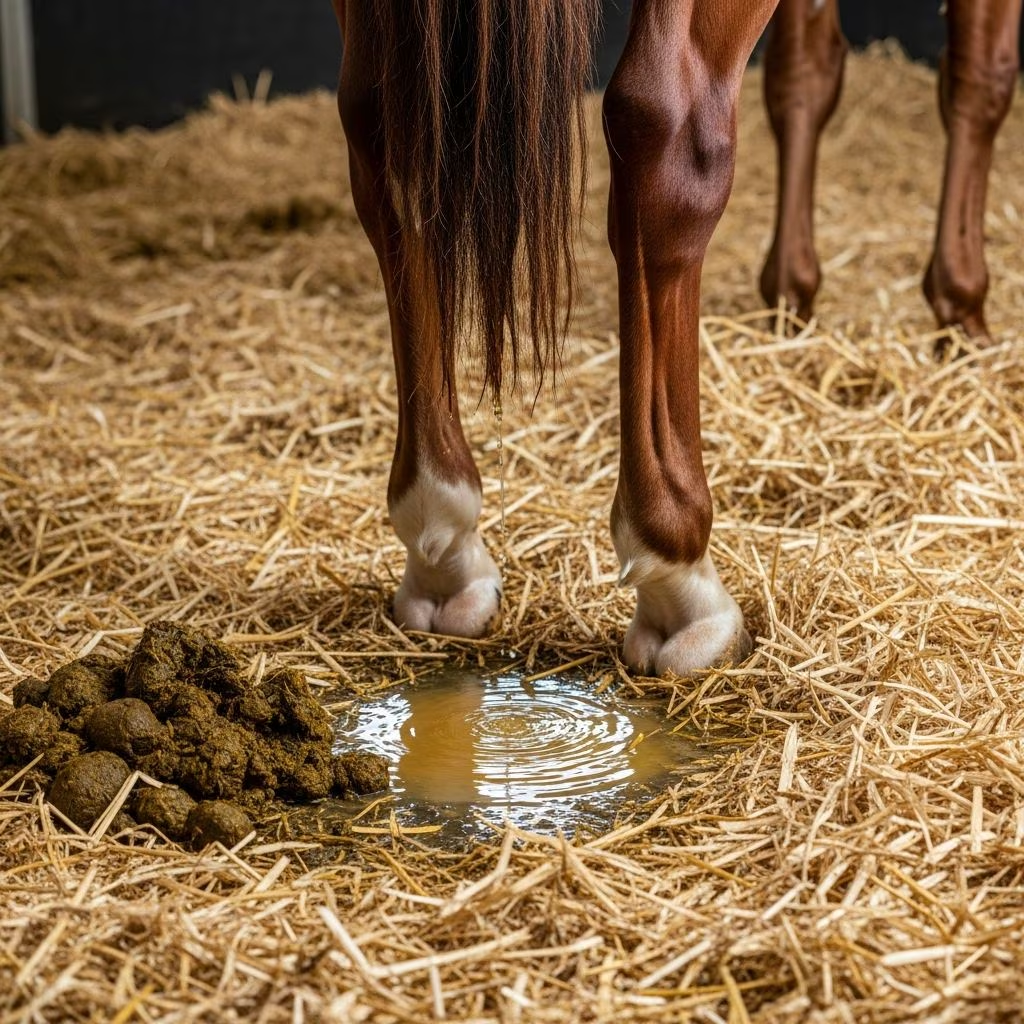
Free fecal water syndrome (FFWS), also known as fecal water syndrome, affects horses by causing the release of liquid separate from normal solid manure balls. This condition, while not typically threatening overall health, poses significant management challenges for owners due to hygiene issues and potential secondary complications.
Defining the Condition and Distinguishing from Diarrhea
In FFWS, horses pass well-formed fecal balls, but liquid water is expelled before, during, after, or independently of this process. This differs markedly from true diarrhea, where the manure itself is loose, watery, and unformed, often signaling infection or severe digestive upset. Horses with FFWS generally show no systemic illness, maintaining normal appetite, weight, and energy levels.
Recognizing FFWS early is crucial. Owners often notice soiling on the hindquarters, tail, and legs, but the horse remains otherwise healthy. This distinction helps avoid unnecessary treatments for infectious causes.
Common Clinical Signs and Observations
Horses exhibiting FFWS display several telltale signs:
- Clear or slightly tinted liquid streaming from the anus apart from solid droppings
- Staining and irritation on hind legs, buttocks, and tail base
- Increased fly attraction in warm weather
- Risk of frostbite or wet tail in cold conditions
- Occasional tail swishing or discomfort during defecation
No dehydration, colic, or weight loss typically occurs, as fluid loss is minimal. However, persistent wetness leads to skin scalding, bacterial infections, or dermatitis if unmanaged.
Primary Causes and Risk Factors
FFWS arises from disruptions in hindgut function, particularly impaired water reabsorption in the colon. Key contributors include:
- Stress: Social hierarchy changes, feed competition, training intensity, or stabling anxiety accelerate gut motility, reducing water absorption time.
- Dietary Imbalances: High-starch concentrates, coarse hay, or sudden forage changes (e.g., pasture to hay) alter hindgut pH, fostering lactate production that draws water osmotically.
- Breed and Sex Predispositions: Geldings and certain breeds like Paints are more susceptible, possibly due to lower herd status and chronic stress.
- Post-Colitis Recovery: Horses healing from large intestine inflammation may have lingering motility issues.
Research indicates horses with FFWS consume more concentrates and starch compared to unaffected peers, highlighting feeding practices as a modifiable factor.
Potential Health Implications Beyond Aesthetics
Though benign in terms of dehydration or nutrition, FFWS indirectly affects welfare:
| Issue | Description | Seasonal Impact |
|---|---|---|
| Skin Irritation | Constant moisture causes chapping, sores, or infections on hindquarters | Worsens in wet/humid conditions |
| Fly Infestation | Attracts pests, increasing bite wounds and disease transmission | Summer peak |
| Tail Damage | Wet hair prone to breakage, matting, or frostbite | Winter risk |
| Reproductive Concerns | Mares with poor conformation risk vaginal contamination | Year-round |
Addressing these promptly prevents escalation to chronic issues.
Diagnostic Approaches for Horse Owners and Vets
Veterinarians start with a thorough history, focusing on diet, management, stress, and onset timing. Key questions include:
- Recent feed or pasture changes?
- Herd dynamics or transport stress?
- Medication history (e.g., NSAIDs)?
- Manure consistency and frequency details?
Physical exams rule out colic or infection. Fecal tests exclude parasites or bacteria, while bloodwork checks for systemic disease. Advanced imaging or endoscopy may assess hindgut inflammation, though often unnecessary.
Management and Treatment Strategies
FFWS management emphasizes environmental, dietary, and supportive tweaks rather than drugs, as no specific cure exists.
Dietary Modifications
- Reduce concentrates and starch; prioritize high-fiber, low-maturity hay.
- Incorporate omega-3 fatty acids to curb gut inflammation.
- Add yeast cultures (Saccharomyces cerevisiae) for microbial stability.
- Slow forage transitions to minimize hindgut shock.
Stress Reduction Techniques
- Optimize turnout and social grouping for hierarchy stability.
- Consistent routines for feeding and handling.
- Minimize intense training during flare-ups.
Hygiene Protocols
- Daily hosing and drying of hindquarters; apply barrier creams like petroleum jelly.
- Regular tail washing and fly repellents.
- Winter blanketing to protect wet areas.
Forage analysis guides precise adjustments, as nutrient variations in hay batches influence outcomes. Buffers may neutralize hindgut acidity if lactate is suspected.
Preventive Measures for Long-Term Control
Proactive steps reduce FFWS incidence:
- Monitor manure daily as a health barometer.
- Maintain balanced nutrition with regular vet nutritionist input.
- Foster low-stress environments through ample turnout and compatible companions.
- Gradual seasonal diet shifts, especially hay transitions.
Many horses improve with these changes, though some require ongoing vigilance.
Recent Research Insights
Studies confirm dietary differences: FFWS horses receive more grain, leading to hindgut lactate and osmotic water pull. No leaky gut or major microbiota shifts noted yet, but stress-motility links are strong. Gelding prevalence aligns with social stress theories.
Frequently Asked Questions (FAQs)
What causes free fecal water in horses?
Primarily stress, high-starch diets, and forage changes disrupting hindgut water absorption.
Is FFWS dangerous for my horse?
No direct health threats, but manage to prevent skin issues and fly problems.
How do I differentiate FFWS from diarrhea?
FFWS features solid manure with separate liquid; diarrhea is uniformly loose.
Can diet alone fix FFWS?
Often yes—cut starch, add fiber and supplements like omega-3s and yeast.
When should I call the vet?
If accompanied by colic, weight loss, or dehydration signs.
Conclusion: Empowering Equine Care
FFWS, while frustrating, is manageable through targeted diet tweaks, stress relief, and hygiene. Vigilant owners partnering with vets can restore normalcy, enhancing horse comfort and reducing upkeep burdens.
References
- Free Fecal Water Syndrome in Horses — Mad Barn. 2023. https://madbarn.com/free-fecal-water-syndrome-in-horses/
- Equine – Free Fecal Water Syndrome — MW Vet Services. 2024. https://www.mwvets.com/copy-of-equine-preventative-health
- Treatment of Free Fecal Water Syndrome in Horses — SmartPak Equine. 2025-07-28. https://www.smartpakequine.com/learn-health/free-fecal-water-syndrome-in-horses
- Forage Transitions and Free Fecal Water Syndrome in Horses — University of Florida IFAS Extension. 2024-08-02. https://nwdistrict.ifas.ufl.edu/phag/2024/08/02/paying-attention-to-what-comes-out-forage-transitions-and-free-fecal-water-syndrome-in-horses/
- Free Fecal Water Syndrome Explained — The Horse. 2020. https://thehorse.com/1124669/free-fecal-water-syndrome-explained/
- Stem the Flow: Free Fecal Water in Horses — Kentucky Equine Research. 2023. https://ker.com/equinews/stem-the-flow-free-fecal-water-in-horses/



