

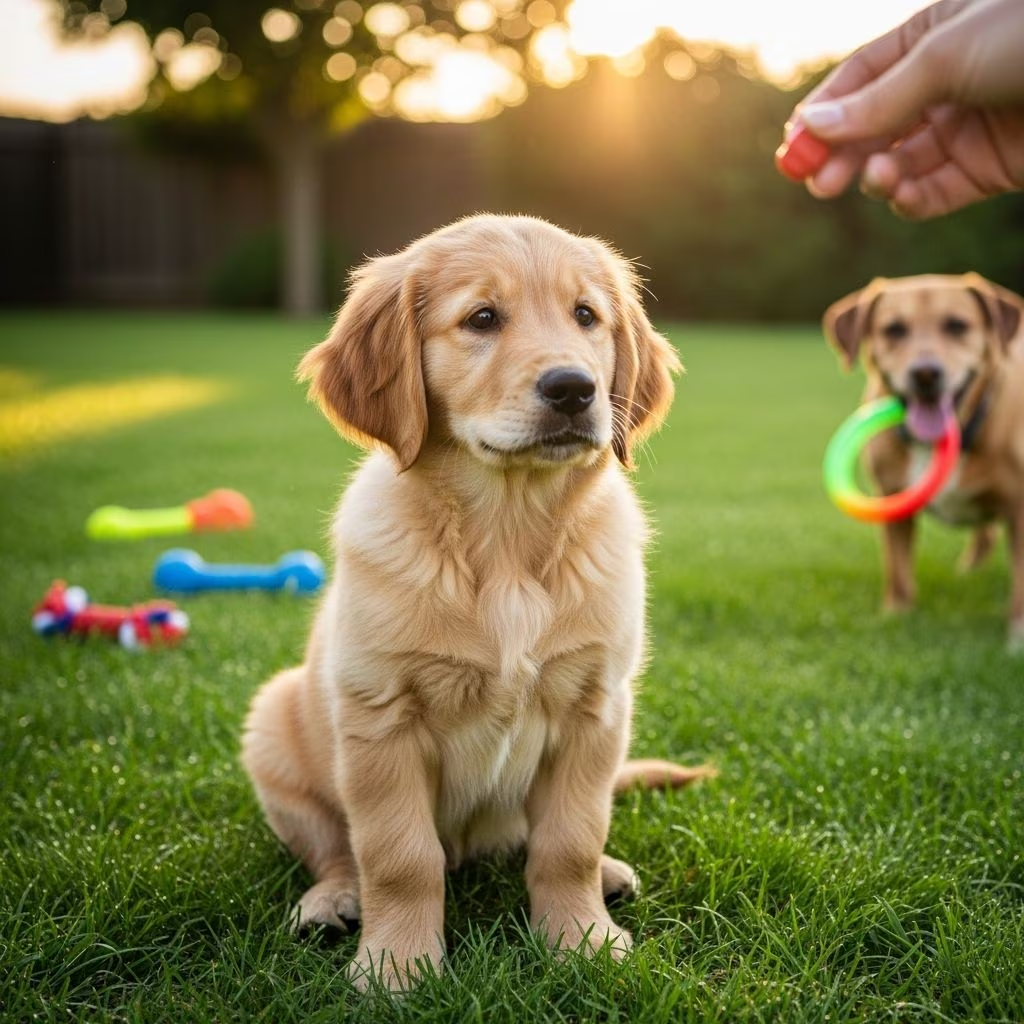
Bringing a dog into your home is exciting, but training them requires the right tools and approach. Free dog training resources make it accessible for every pet parent, focusing on **positive reinforcement** to build good behaviors without fear or punishment. Programs like Kinship’s Basic Obedience Program, developed with Gentle Beast, offer short, practical lessons on essentials like house-training and leash walking. These methods, rooted in modern behavioral science, help dogs of all ages thrive.
Why Choose Free Dog Training Resources?
Quality training doesn’t have to cost a fortune. Free programs provide expert guidance from certified trainers, emphasizing science-backed techniques. For instance, Dunbar Academy offers free online resources on puppy socialization and common issues like barking or jumping. Kinship’s collaboration with Gentle Beast delivers an eight-workshop series covering foundational skills in just 5-10 minutes per session. These resources match your dog’s needs—puppies learn basics, while reactive adults get targeted help like the Leash Reactive Dog course.
Key benefits include:
- Accessibility: No-cost entry to professional advice, perfect for new owners.
- Positive Focus: Reward-based methods improve learning speed and reduce stress.
- Customization: Address specific issues like reactivity or crate training.
- Long-Term Results: Builds lifelong skills with daily 30-minute practice.
Understanding Fear-Free Training
**Fear-Free training** revolutionizes how we approach pet care by prioritizing emotional well-being alongside physical health. Unlike traditional methods that accepted fear as inevitable, Fear-Free uses positive rewards to “put the treat into treatment”. It reduces triggers causing anxiety, backed by over 300 studies on pet preferences like fleece blankets over towels or calming music.
This approach teaches dogs what to do through rewards, not punishment. Trainers avoid aversives like prong or shock collars, opting for gentle control that encourages cooperation. Reading body language—subtle ear pinning or tail positions—helps detect stress early, preventing escalations.
Kinship’s Basic Obedience Program: A Free Eight-Workshop Series
Partnered with Gentle Beast On-Demand Dog Training, this free program is ideal for new dogs. Led by certified expert Alex Sessa, it covers Puppy 101 in bite-sized lessons. Start as soon as your pup arrives home for best results.
The workshops include:
- Getting Started: Essentials like treats, clickers, and setup.
- House-Training: Schedules to ditch pee pads effectively.
- Sit: Foundational cue for calm behavior.
- Place: Teach your dog a spot for doorbell visitors.
- Crate-Training: Make it a safe haven.
- Bite Inhibition: Prevent mouthing with gentle techniques.
- Socialization: Build confidence early.
- Leash Walking: End pulling for stress-free strolls.
Sessa’s mantra: “There’s no such thing as a bad dog”—focus on behavior through a positive lens. Dedicate 30 minutes daily for lasting results.
House-Training and Crate-Training Mastery
House-training starts with consistency. Create a schedule based on meals, play, and sleep. Take pups out frequently, rewarding outdoors success immediately. Transition from pee pads by gradually increasing distance to the door.
Crate-training builds independence. Introduce it positively with treats and toys. Use for short periods initially, never as punishment. High-value rewards like dehydrated chicken or salmon jerky motivate even picky eaters. Practice in low-distraction home settings first, then add challenges.
Leash Training and Reactivity Solutions
Leash issues like pulling or lunging frustrate walks. The free Leash Reactive Dog course from Instinct Dog Behavior & Training explains reactivity’s roots and uses desensitization/counterconditioning. Start with foundation skills indoors.
| Problem | Solution | Tips |
|---|---|---|
| Pulling | Stop and reward slack leash | Use high-value treats; practice short sessions |
| Barking/Lunging | Desensitization: Introduce triggers at distance | Countercondition with rewards before reaction |
| Freezing | Gentle luring with treats | Build positive associations gradually |
YouTube resources like Robert Haussmann’s leash tricks reinforce these at home.
Socialization and Bite Inhibition
Puppies need exposure to stimuli between 3-12 weeks, but all ages benefit. Introduce people, dogs, and environments positively with rewards. For bite inhibition, yelp dramatically during play, then redirect to toys. Consistency teaches gentle mouths.
Foundational Skills: Sit, Place, and Beyond
Sit is impulse control basics: Lure with treats overhead, reward promptly. Place sends dogs to a mat or bed, ideal for guests. Expand to down-stay, recall, and leave-it for comprehensive obedience.
Tips for success:
- Match rewards to motivation—find what your dog loves.
- Practice in distraction-free zones first.
- Use clickers for precise timing.
Addressing Common Behavior Issues
Barking, jumping, and separation anxiety respond to positive methods. Management prevents rehearsal: Crate during alone time, enrich with toys. Decode body language—tail wags vary by context. For winter woes, train coat acceptance with rewards.
Avoid dominance myths; focus on needs like exercise and mental stimulation. All dogs learn via positive principles, regardless of breed or history.
Cooperative Care for Vet and Grooming Visits
Prepare dogs for handling with Monique Feyrecilde’s techniques. Teach restraint, positioning, and touch gradients via body maps. Use consent signals over fancy tricks when needed. This reduces stress, improving care quality.
Frequently Asked Questions (FAQs)
Q: When should I start training my puppy?
A: Immediately upon arrival. Begin potty and basic cues right away for best results.
Q: What if my adult dog is reactive on leash?
A: Use the free Leash Reactive Dog course for desensitization and counterconditioning steps.
Q: Are these methods suitable for all breeds?
A: Yes, positive reinforcement works for any dog, regardless of size, age, or history.
Q: How do I choose high-value treats?
A: Test options like chicken or salmon jerky; pick what excites your dog most.
Q: What’s the role of body language in training?
A: Understanding subtle cues prevents stress escalation and builds communication.
Getting Started Today
Sign up for Kinship’s free program and other resources. Consistency and positivity yield a well-behaved companion. Pro tip: Train in short bursts for focus.
References
- Free Dog Training Resources for Pet Parents and Families — Adopt-a-Pet.com Blog. 2023. https://www.adoptapet.com/blog/behavior-training/free-dog-training
- Have a New Dog? Try Our Free Training Program from the Experts — Kinship. 2023. https://www.kinship.com/dog-behavior/gentle-beast-training-program
- Monique Feyrecilde: Really Ready – Kinship Dog Training — Kinship Dogs. 2023. https://www.kinshipdogs.com/monique-feyrecilde-really-ready
- Your Dog’s Trauma Triggers Are Everywhere. Fear-Free Training — Kinship. 2023. https://www.kinship.com/dog-behavior/free-free-training
- Dog Behavior – Kinship — Kinship. 2023. https://www.kinship.com/dog-behavior
- General Resources | Explore Canine Insights — A Canine Affinity. 2023. https://www.acanineaffinity.com/general-resources



