

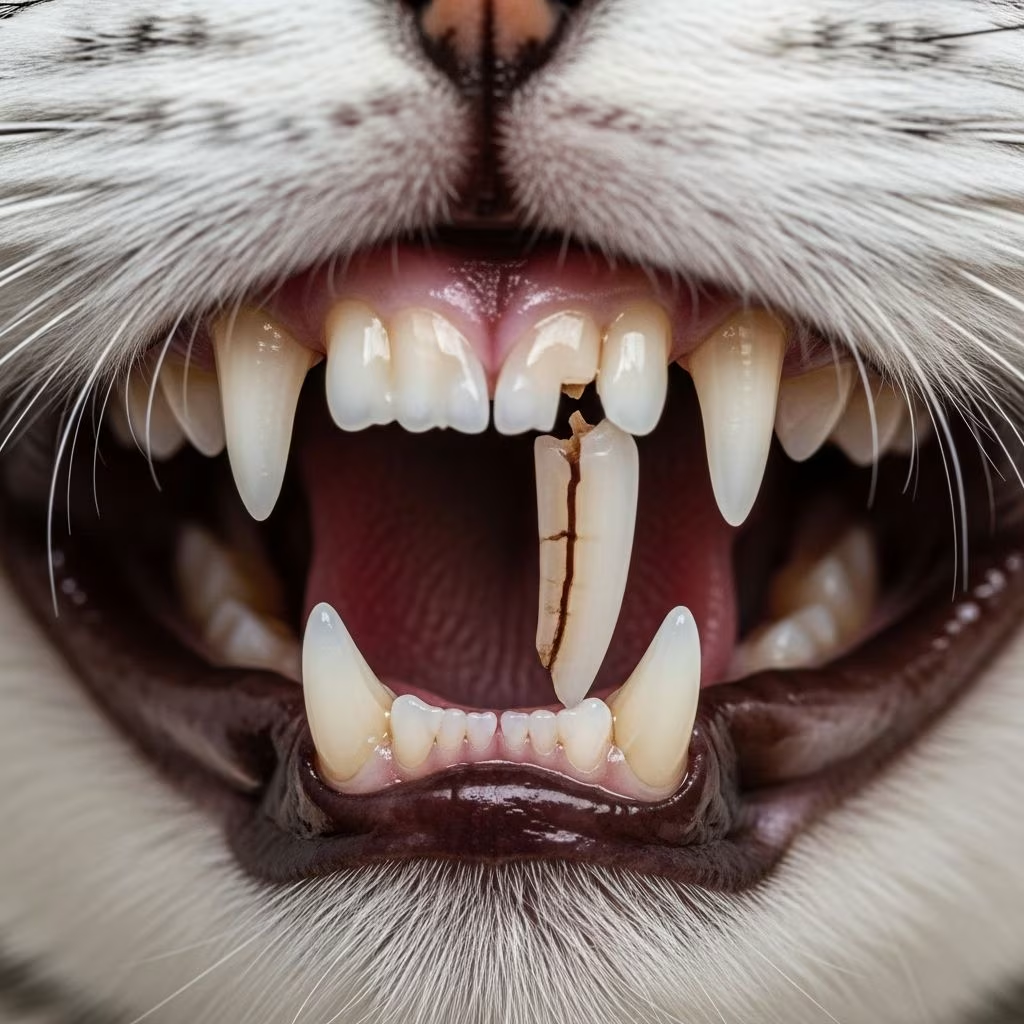
Understanding Fractured Teeth in Cats
Fractured teeth in cats are a common dental problem that pet owners may encounter. A chipped or broken cat tooth is considered a fracture, and the severity level dictates the type of treatment your veterinarian will recommend. Tooth fractures can range from minor chips to severe breaks that expose the tooth’s inner pulp. Understanding the signs, causes, and treatment options is essential for maintaining your cat’s oral health and ensuring their comfort.
What Causes Fractured Teeth in Cats?
Fractured teeth in cats can result from various causes, with trauma being the most common trigger. The following factors may lead to tooth fractures:
– Chewing on hard objects such as rocks, bones, or hard toys- Blunt force trauma to the face from accidents or falls- Motor vehicle collisions- Fighting with other animals- Aggressive play or rough handling- Underlying dental disease that weakens tooth structure
Cats that are allowed to roam freely outdoors face a higher risk of tooth fractures compared to indoor cats, primarily due to increased exposure to hazards and potential accidents.
Signs and Symptoms of Fractured Teeth
Recognizing the warning signs of fractured teeth in cats is crucial for early intervention. Pet owners should watch for the following indicators:
– Grinding of teeth (bruxism)- Excessive drooling or hypersalivation- Chewing on one side of the mouth- Pawing at the mouth or face- Dropping food from the mouth while eating- Facial swelling around the affected area- Refusing to chew on toys or hard food- Reluctance to eat or food avoidance- Lymph node enlargement- Shying away or showing head shyness when the face is petted- Squirming or running away during facial contact- Vocalizing or chattering more than usual, especially while eating- Bloody saliva or visible blood on the gums- Sudden preference for soft food over hard kibble- Hiding more than usual- Aggressive behaviors or mood changes
If you notice any combination of these symptoms in your feline companion, it is important to schedule a veterinary examination as soon as possible.
Is a Fractured Tooth an Emergency?
Whether a fractured tooth constitutes an emergency depends on the severity and extent of the damage. If your cat experiences a significant tooth fracture that reaches the pulp—the inner chamber containing soft tissue and nerve endings—it should be treated as an emergency. A fracture that exposes the pulp can lead to severe oral pain and infection risk.
As a general rule, it is advisable to treat every tooth fracture and crack as a potential emergency. A veterinarian will be able to best assess the condition of your cat’s tooth to determine if immediate treatment is required. Prompt treatment not only expands your treatment options but also prevents prolonged pain and bacterial infections that could affect other teeth and spread to other parts of your cat’s body.
Diagnosis and Examination
When you bring your cat to the veterinarian with a suspected fractured tooth, a thorough examination will be performed. The diagnostic process typically includes:
– Visual oral examination to assess the extent of visible damage- Dental X-rays under anesthesia to determine the full scope of the fracture- Evaluation of whether the pulp chamber has been exposed- Assessment of the tooth’s root and supporting tissues- Examination of surrounding teeth and gums for additional damage or disease
Dental X-rays are essential because they reveal damage that is not visible to the naked eye, including root fractures and hidden damage beneath the gum line. This comprehensive evaluation allows your veterinarian to recommend the most appropriate treatment option for your cat’s specific situation.
Treatment Options for Fractured Teeth
The treatment approach for a fractured tooth depends on the severity of the damage, the location of the fracture, and whether the pulp has been exposed. Your veterinarian will discuss these options with you to determine the best course of action for your cat.
Tooth Extraction
Tooth extraction is the most common and often the most practical treatment for fractured teeth in cats. If a pink spot is visible on the tooth surface, indicating exposed pulp, or if the tooth is loose or severely damaged, extraction is typically recommended. This procedure provides long-term pain relief and prevents bacterial infection.
Extraction of large canine and chewing teeth requires oral surgery, similar to the removal of impacted wisdom teeth in humans. While tooth extraction may seem drastic, cats adapt remarkably well to tooth loss and can eat comfortably once the extraction site has healed. Most veterinarians prefer extraction over leaving a damaged tooth in place, as a fractured tooth with exposed pulp is painful and prone to infection.
Root Canal Therapy
Root canal therapy is a treatment option for fractured teeth where the root and supporting tissues remain healthy. This procedure is designed to save the tooth rather than extract it. During root canal therapy, the veterinarian removes the infected or damaged pulp from the interior of the tooth, cleans the root canal system, and fills it with sealant material to prevent future infections.
While root canal therapy allows the tooth to remain in place, it is significantly more expensive than extraction and may require the expertise of a board-certified veterinary dentist. Root canal therapy is not a viable option for all tooth fractures, and your veterinarian will determine if your cat’s specific fracture is amenable to this treatment.
Vital Pulp Therapy
Vital pulp therapy is an alternative treatment option that allows your cat to keep their damaged tooth while maintaining its vitality. This treatment is particularly effective for younger cats, typically those under 18 months of age, with freshly broken teeth. In this procedure, only the damaged portion of the pulp is removed, while as much healthy pulp tissue as possible is preserved.
After the damaged pulp is removed, the exposed pulp chamber is treated with a medicated dressing to eliminate surface microorganisms and inflammatory tissue. The tooth is then sealed and capped to protect the pulp chamber and promote healing. This approach keeps the tooth alive and intact, which is advantageous for the long-term functionality of the tooth. However, vital pulp therapy is often the most expensive treatment option and only works when performed immediately after the fracture occurs. Teeth treated with vital pulp therapy may require root canal therapy in the future if complications develop.
Dental Crowns and Restorative Work
In some cases, crowns and other additive dental work can be applied to repair a damaged tooth. This approach may be recommended when the damage is not severe enough to warrant extraction but requires additional protection and restoration. Restorative materials and dental linings can also be used to seal affected areas after extraction or other procedures.
Pain Management and Antibiotics
Regardless of which treatment option is selected, your veterinarian may prescribe pain relievers and antibiotics to manage your cat’s discomfort and control any bacterial infections until a permanent solution is implemented. Pain management is crucial during the recovery period to ensure your cat’s comfort and facilitate healing.
Living and Management After Treatment
After your cat undergoes treatment for a fractured tooth, proper aftercare is essential for optimal recovery. The following guidelines should be followed:
– Restrict your cat’s activities until fully recovered, as recommended by your veterinarian- Feed soft food items during the recovery period to minimize stress on the treated tooth- Monitor your cat’s progress closely and watch for any signs of complications- Continue with regular tooth care and dental cleaning to maintain oral health- Schedule and attend all recommended follow-up appointments- Perform routine brushing to detect any new damage or gum irritation early
The most common complications following treatment are infection or the need for follow-up root canal therapy. Regular monitoring and maintenance help minimize these risks and ensure long-term oral health.
Prevention of Tooth Fractures
While not all tooth fractures can be prevented, several steps can reduce your cat’s risk of experiencing this problem. Consider the following preventive measures:
– Prevent your cat from chewing on extremely hard substances such as rocks, bones, or hard toys- Provide soft or semi-soft toys that are less likely to cause tooth damage- Keep your indoor cat safe from trauma by maintaining a secure living environment- Supervise outdoor time or consider keeping your cat indoors to reduce accident risk- Maintain regular dental care and cleaning to keep teeth strong and healthy- Schedule routine dental examinations with your veterinarian- Address any underlying dental disease promptly
Indoor cats generally face a lower risk of tooth fractures than cats allowed to roam freely, making indoor housing a protective factor for oral health.
When to Contact Your Veterinarian
Contact your veterinarian immediately if you notice any of the following:
– Visible chips, cracks, or breaks in your cat’s teeth- Pink or red spots on the tooth surface indicating exposed pulp- Sudden changes in eating habits or food avoidance- Excessive drooling or blood-tinged saliva- Facial swelling or signs of pain- Any of the warning signs mentioned earlier
Early intervention expands your treatment options and helps prevent complications such as infection, abscess formation, or spread of infection to other parts of your cat’s body.
Frequently Asked Questions About Fractured Teeth in Cats
Q: Can cats survive with a broken tooth?
A: Yes, cats can survive with a broken tooth, but it is not recommended. A fractured tooth causes pain, increases infection risk, and may spread bacteria to other teeth and parts of the body. Treatment is strongly advised for your cat’s comfort and health.
Q: How much does it cost to treat a fractured tooth in a cat?
A: Costs vary depending on the treatment option chosen. Tooth extraction is typically the most affordable option, while root canal therapy and vital pulp therapy are more expensive and may require a specialist. Dental X-rays and anesthesia add to the overall cost. Consult your veterinarian for specific pricing.
Q: Will my cat be in pain after treatment?
A: Your veterinarian will provide pain management medications to minimize discomfort during recovery. Most cats experience significant pain relief after treatment, as the damaged tooth no longer causes ongoing discomfort.
Q: How long is the recovery period after tooth extraction?
A: Most cats recover within one to two weeks after tooth extraction. You should provide soft food and restrict activity during this time. Follow-up appointments allow your veterinarian to monitor healing progress.
Q: Can fractured teeth in cats be prevented?
A: While not all fractures can be prevented, you can reduce risk by avoiding hard toys and objects, maintaining indoor safety, providing regular dental care, and scheduling routine dental examinations with your veterinarian.
Q: Should I be worried if my cat’s tooth is slightly chipped?
A: Even minor chips should be evaluated by a veterinarian. A chip may appear minor on the surface but could extend deeper into the tooth structure or compromise the pulp. Professional assessment ensures proper diagnosis and early intervention if needed.
References
- Tooth Fracture in Cats — PetMD. 2024. https://www.petmd.com/cat/conditions/mouth/c_ct_tooth_fracture
- Fractured Teeth in Cats — Santa Fe Pet Hospital, Merced Vets. 2023-12-15. https://www.sfphmerced.com/site/blog/2023/12/15/fractured-teeth-cats
- What to Do When Your Cat Has a Broken Tooth — Clearlake Vet Clinic. 2024-06-24. https://www.clearlakevetclinic.com/site/blog/2024/06/24/cat-tooth-fractures
- Fractured Teeth in Cats — Villa Rica Vet. 2024-08-15. https://www.vranimals.com/site/blog/2024/08/15/cats-fractured-teeth
- Broken Tooth in Cats: Risks & Treatment Options — Animal Dental Arizona. https://animaldentalaz.com/can-a-cat-live-with-a-broken-tooth-risks-and-treatment-options/
- What Should I Do If My Cat Has a Broken Tooth? — Vetster. https://vetster.com/en/wellness/what-should-i-do-if-my-cat-has-a-broken-tooth
- Fractured Teeth in Cats — Ankeny Vets, Community Companion Veterinary Hospital. 2023-11-15. https://www.ccvhankeny.com/site/blog/2023/11/15/cats-fractured-teeth



