
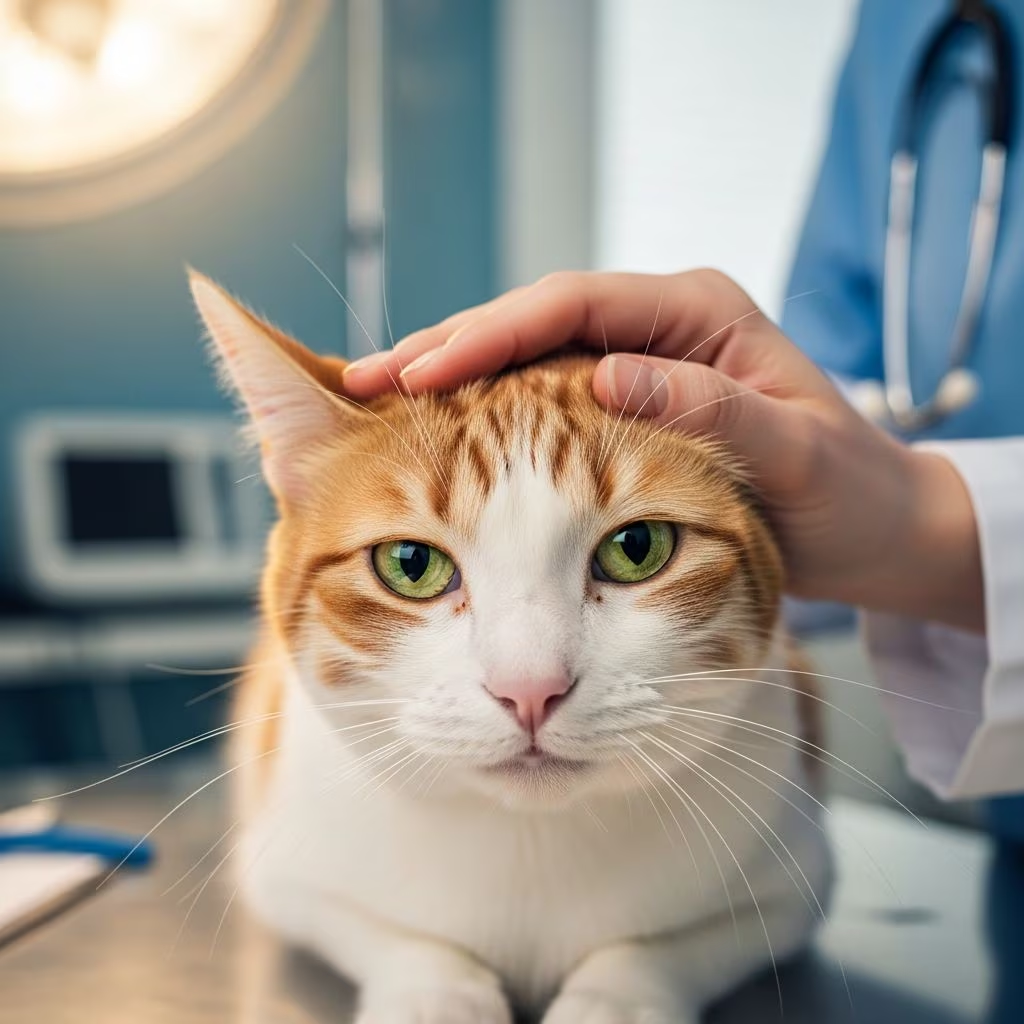
Feline panleukopenia virus (FPV), also known as feline distemper or feline infectious enteritis, is a highly contagious and potentially fatal viral disease affecting cats worldwide. Caused by a single-stranded DNA parvovirus, FPV primarily targets rapidly dividing cells in the bone marrow, intestinal lining, and lymphoid tissues, leading to severe immunosuppression, gastrointestinal distress, and high mortality rates, especially in kittens. While adult cats may show milder symptoms due to partial immunity, unvaccinated kittens under six months face up to 90% mortality. Early diagnosis and supportive care are critical for survival.
What is FPV in Cats?
FPV is a member of the Parvoviridae family, closely related to canine parvovirus (CPV), sharing about 99% genetic similarity and capable of limited cross-infection. The virus replicates in the crypts of Lieberkühn in the small intestine, causing villous atrophy and malabsorption, while also suppressing white blood cell production (leukopenia), making cats highly susceptible to secondary bacterial infections. First identified in the 1960s, FPV remains endemic despite vaccination programs, with outbreaks common in shelters, catteries, and multi-cat households. Kittens born to unvaccinated queens are at highest risk due to intrauterine or neonatal transmission.
The virus is extremely hardy, surviving in the environment for up to a year in organic matter and resisting many common disinfectants. It spreads via fecal-oral route, direct contact with infected secretions, or fomites like bedding, food bowls, and human clothing. Clinical signs typically appear 2-10 days post-exposure, starting with lethargy and progressing to vomiting, diarrhea, and dehydration.
Causes of FPV in Cats
The primary cause of FPV is exposure to the feline panleukopenia virus (FPV-1), a non-enveloped parvovirus excreted in high concentrations in the feces, vomit, urine, and saliva of infected cats for up to six weeks post-infection. Even recovered cats shed intermittently lifelong. Transmission occurs through:
- Direct contact with infected cats or their bodily fluids.
- Indirect contact via contaminated environments, objects, or people (virus clings to shoes, hands, clothing).
- Vertical transmission from infected queens to kittens in utero or via colostrum/milk.
- Fomites in veterinary clinics, grooming salons, boarding facilities, or rescue shelters.
Risk factors include unvaccinated status, young age (under 6 months), overcrowding, poor hygiene, and stress. Certain breeds like Siamese and purebreds may show higher susceptibility due to limited genetic diversity. Concurrent infections like feline leukemia virus (FeLV) or feline immunodeficiency virus (FIV) worsen outcomes by further impairing immunity.
Symptoms of FPV in Cats
FPV symptoms vary by age and immune status but escalate rapidly. Incubation is 2-7 days (up to 14). Initial signs are non-specific:
- Sudden lethargy and anorexia (refusal to eat).
- Mild fever (up to 104°F/40°C), progressing to hypothermia in severe cases.
- Vomiting (often bile-tinged, multiple times daily).
Within 24-48 hours, severe gastrointestinal signs dominate:
- Watery or bloody diarrhea (frequent, foul-smelling).
- Severe dehydration (sunken eyes, tacky gums, skin tenting).
- Abdominal pain (hunched posture, vocalizing when touched).
Hematologic effects peak at 3-5 days:
- Profound leukopenia (WBC count <1000/μL), increasing sepsis risk.
- Thrombocytopenia and anemia in prolonged cases.
In kittens, neurological signs like ataxia, tremors, or cerebellar hypoplasia (from in utero infection) may occur due to cerebellar Purkinje cell destruction. Pregnant queens often abort or deliver stillborn/weak kittens. Adult survivors may be asymptomatic carriers.
Diagnosis of FPV in Cats
Diagnosis combines history, clinical signs, and confirmatory tests. Key steps:
- Physical exam: Assess dehydration, abdominal pain, fever/hypothermia, oral ulcers.
- Complete blood count (CBC): Hallmark is severe neutropenia (<500/μL), lymphopenia, monocytopenia.
- PCR testing: Fecal or tissue swabs detect FPV DNA with high sensitivity/specificity (gold standard).
- ELISA/SNAP test: Rapid in-clinic antigen detection from feces.
- Fecal flotation: Rules out parasites mimicking symptoms.
Differentials include bacterial gastroenteritis, trichomoniasis, coronavirus, toxins, or foreign bodies. In kittens, panleukopenia-like syndromes from other parvoviruses must be excluded. Early testing guides aggressive therapy.
Treatment for FPV in Cats
No specific antiviral cure exists; treatment is intensive supportive care to combat dehydration, electrolyte imbalances, secondary infections, and malnutrition. Hospitalization (isolation ward) is standard for moderate-severe cases. Protocols include:
- Fluid therapy: IV crystalloids (LRS or Normosol-R) at 2-4x maintenance rates, plus potassium supplementation. Aim for 48-72 hours minimum.
- Anti-emetics: Maropitant (Cerenia) 1mg/kg SQ/IV q24h or ondansetron for vomiting control.
- Antibiotics: Broad-spectrum (ampicillin + enrofloxacin or cefovecin) to prevent/treat sepsis; monitor for resistance.
- GI protectants: Sucralfate for ulcers, metronidazole if Clostridium suspected.
- Nutrition: Esophageal feeding tube or assist-feeding with recovery diets (high-calorie, hydrolyzed protein) once vomiting ceases.
- Neonatal support: Karo syrup for hypoglycemia, warmth, manual stimulation for weak kittens.
Monitor serial CBCs; transfusion for severe anemia. Survival rates: 20-50% kittens, 80-90% adults with prompt care. Discharge when leukonormal, eating, hydrated (typically day 5-10).
Recovery and Management Post-FPV
Survivors develop lifelong immunity but remain carriers. Recovery timeline: 7-14 days for adults, longer for kittens. Home care:
- Strict isolation until shedding ends (2 weeks post-recovery).
- Gradual reintroduction bland diet, probiotics for gut recovery.
- Monitor weight, stool quality, activity.
- Booster vaccines 3 weeks post-recovery (if due).
Long-term, cats regain health but may have chronic enteropathy. Neurological deficits in cerebella hypoplasia cases are permanent but manageable—cats adapt well with stable environments.
Prevention of FPV in Cats
Vaccination is the cornerstone: core FVRCP vaccine (FPV + herpesvirus + calicivirus) from 6-8 weeks, boosters q3-4 weeks until 16 weeks, then annually or q3 years. Maternal antibodies interfere, so multi-dose protocol essential. High-risk (shelters): early vaccination at 4 weeks.
Hygiene protocols:
- Disinfect with 1:32 bleach (sodium hypochlorite), accelerated hydrogen peroxide, or parvovirus-specific agents; quaternary ammonium ineffective.
- Quarantine new cats 2 weeks.
- Avoid overcrowding; separate litters.
- Hand hygiene, dedicated equipment.
Pregnant queens: vaccinate pre-breeding. No approved FPV antiviral prophylactics.
FPV FAQs
Is FPV in cats curable?
No, but with aggressive supportive care, survival exceeds 80% in adults. Kittens have poorer prognosis.
Can vaccinated cats get FPV?
Rare breakthrough infections occur, but vaccinated cats show mild/asymptomatic disease due to immunity.
Is FPV contagious to dogs or humans?
Dogs can catch related CPV from FPV, but not vice versa easily. Non-contagious to humans.
How long is a cat with FPV contagious?
Up to 6 weeks acutely; lifelong intermittent shedding possible.
Can FPV cause permanent damage?
Yes, in utero exposure causes cerebellar hypoplasia (intent tremors, ataxia)—non-progressive, manageable.
| Condition | Key Feature | Leukopenia? | Vaccine? |
|---|---|---|---|
| FPV | Severe vomiting/diarrhea, profound leukopenia | Yes | Core |
| Salmonellosis | Bacterial, responds to antibiotics | No | No |
| Coronavirus | Milder, no leukopenia | No | No |
References
- Progressive Retinal Atrophy in Cats – Causes, Treatment — Vetster. 2023. https://vetster.com/en/conditions/cat/progressive-retinal-atrophy
- Progressive Retinal Atrophy in the Cat — VCA Animal Hospitals. 2024. https://vcahospitals.com/know-your-pet/progressive-retinal-atrophy-in-the-cat
- Progressive Retinal Degeneration in Cats — WagWalking. 2023. https://wagwalking.com/cat/condition/progressive-retinal-degeneration
- Feline retinal degeneration: clinical experience and new findings — PubMed (Veterinary Ophthalmology). 1999-11-01. https://pubmed.ncbi.nlm.nih.gov/10580912/
- Progressive Retinal Atrophy in Cats — Veterinary Vision Center. 2024.

Sneha Tete
Sneha is a pet care and lifestyle writer with a strong background in applied linguistics and certified training in animal-assisted relationship dynamics. She brings over five years of writing experience to FluffyAffair, crafting thoughtful, research-backed content that empowers pet parents to deepen their bond with their furry companions, enhance pet well-being, and embrace a happy, holistic lifestyle together. More articles →



