
Foxtails: Deadly Threat to Dogs
Discover why foxtail seeds endanger dogs and master prevention strategies to safeguard your pet's well-being this season.
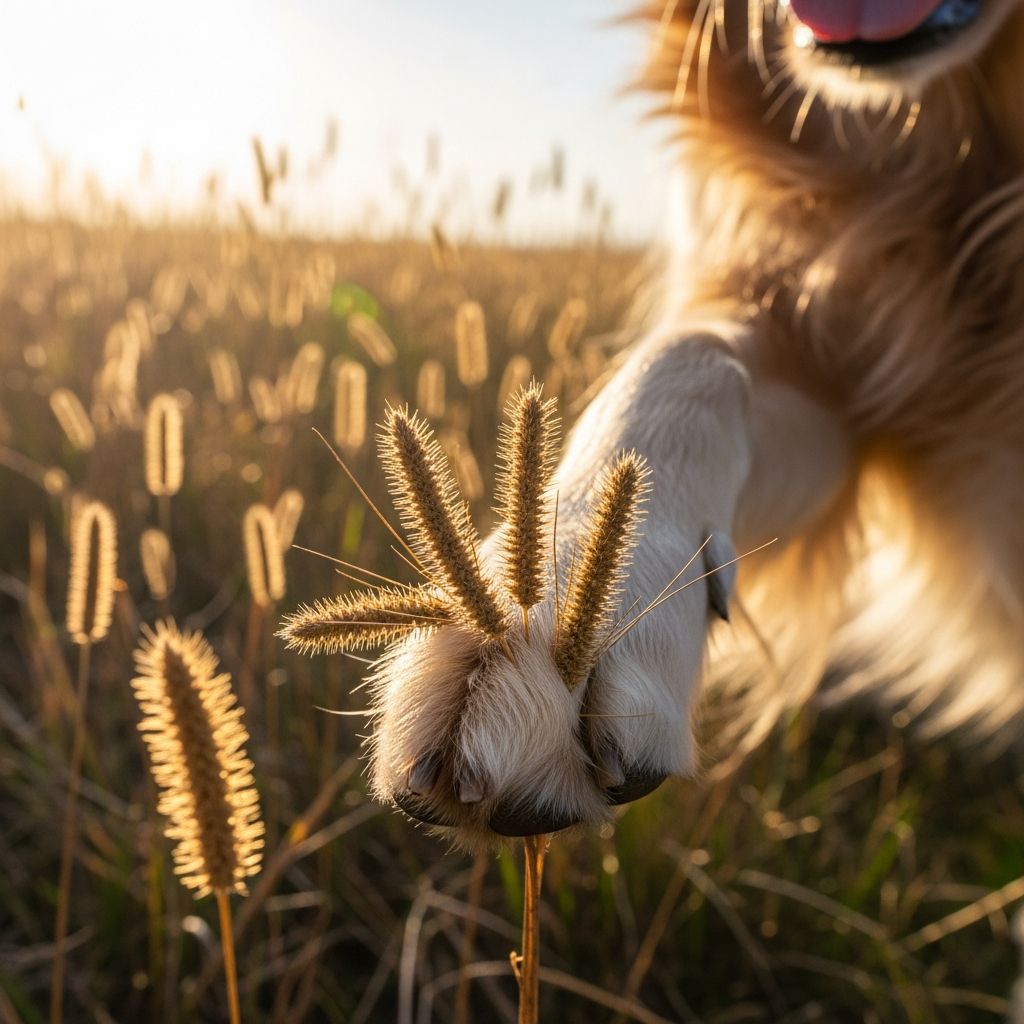
Foxtails: The Hidden Peril Lurking in Grass for Your Dog
Foxtails, the barbed seed heads of certain grasses, represent one of the most insidious seasonal dangers to dogs. These arrow-like structures easily attach to fur, penetrate skin, and migrate through tissues, triggering infections, abscesses, and organ damage if untreated. Understanding their biology, recognizing entry points, and adopting proactive defenses can prevent veterinary emergencies and save lives.
Understanding the Biology of Foxtails
Foxtails form from dry grass species prevalent in warm climates, maturing into stiff, pointed clusters equipped with backward-facing barbs. This design enables one-way travel: they latch onto hosts during movement and resist extraction, burrowing deeper with each step or breath. Unlike digestible plant matter, foxtails remain intact, carrying bacteria that amplify harm as they advance.
Peak danger occurs late spring through fall in regions like the western U.S., where overgrown fields, roadsides, and yards harbor them. Any dog—especially active breeds or those with dense fur—is vulnerable during romps in tall grass.
Primary Entry Routes and Associated Dangers
Foxtails exploit multiple vulnerabilities, with consequences varying by location. Here’s a breakdown:
- Paws: Seeds wedge between toes or pads, causing limping, swelling, and pus-filled infections. Dogs chew excessively, worsening penetration.
- Ears: Barbs enter ear canals during head-shaking in grass, leading to head tilting, odor, discharge, and hematomas if ignored.
- Eyes: Irritants embed in corneas or lids, sparking redness, squinting, tearing, and ulcers that threaten vision.
- Nose and Throat: Inhaled during open-mouth runs, they lodge in nasal passages or lungs, provoking violent sneezing, nasal bleeding, coughing, or pneumonia.
- Skin and Coat: Surface attachments burrow into belly, armpits, or tail bases, forming draining tracts or deep abscesses.
- Genitals: Females face vulvar entry risks, migrating to urinary tracts and causing cystitis or blockages.
Unchecked migration can reach spinal cords, brains, or hearts, turning minor pricks into systemic crises.
Recognizing Foxtail Infestations: Key Symptoms
Early detection hinges on behavioral and physical cues. Dogs may abruptly favor limbs, paw at faces, or exhibit distress without obvious wounds. Persistent symptoms demand inspection.
| Body Area | Common Signs | Urgency Level |
|---|---|---|
| Paws | Limping, licking/chewing, redness between toes | High – Check immediately |
| Ears | Head shaking/tilting, scratching, foul smell | High – Risk of rupture |
| Eyes | Squinting, pawing, cloudiness, discharge | Critical – Vision loss possible |
| Nose | Sneezing fits, bloody discharge, reverse sneezing | Critical – Lung migration risk |
| Skin | Swelling, draining sores, hair loss | Moderate to High |
If symptoms persist post-grass exposure, assume foxtails until ruled out.
Proven Prevention Tactics for Foxtail Season
Avoidance forms the cornerstone, but layered strategies minimize risks:
- Route Selection: Steer clear of weedy fields, opting for mowed paths. Mow yards short and bag clippings.
- Grooming Protocols: Trim coats, especially paws, ears, and underbelly. Request “foxtail-aware” cuts from groomers.
- Post-Outing Inspections: Comb fur thoroughly, focusing on crevices. Use fine-tooth tools and check orifices daily.
- Protective Gear: Equip with booties, goggles, or vests for unavoidable exposures. Brands like Ruffwear offer durable options.
- Seasonal Habits: Limit off-leash play in dry grass; hose down dogs after outings to dislodge seeds.
Safe At-Home Removal Methods
Superficial foxtails yield to gentle handling:
- Secure your dog calmly to prevent injury.
- Part fur to expose seeds; grasp close to skin with tweezers.
- Pull firmly in growth direction—never squeeze or cut, as fragments migrate.
- Clean with antiseptic; monitor for swelling.
- Flush eyes/noses with saline if accessible.
Deeper embeds or behavioral resistance require professionals. DIY failures exacerbate damage.
Veterinary Interventions: What to Expect
Vets employ diagnostics like scoping, X-rays, or dye-tracing to locate migrants. Treatments include:
- Sedated extractions via flushing, endoscopy, or surgery.
- Antibiotics for infections; abscess drainage.
- Advanced cases: Thoracotomy for lung retrieval or CT scans for tracking.
Prompt visits boost success; delays invite sepsis. Mention recent grass exposure for targeted exams.
Special Considerations for High-Risk Dogs
Breeds with drop ears (e.g., Spaniels), thick coats (e.g., Huskies), or hunting instincts face amplified threats. Puppies and seniors heal slower, demanding extra vigilance. Urban dogs aren’t immune—foxtails invade parks and medians.
FAQs: Common Foxtail Concerns
Q: Are foxtails fatal?
A: Rarely directly, but complications like pneumonia or sepsis can be if untreated.
Q: Can foxtails affect indoor dogs?
A: Yes, tracked indoors on shoes or fur.
Q: How soon do symptoms appear?
A: Hours to days; migration accelerates issues.
Q: Do booties fully protect paws?
A: Highly effective if fitted well and monitored.
Q: What’s the cost of foxtail surgery?
A: Varies $200–$3000+ based on complexity.
Long-Term Strategies for Foxtail-Free Living
Integrate prevention into routines: scout trails via apps, join local weed-control efforts, and train recall to avoid temptations. Annual vet checkups can baseline ear/skin health. By prioritizing awareness, dog owners transform foxtail season from terror to manageable nuisance, ensuring joyful adventures without peril.
References
- Foxtails: Why They’re Dangerous for Dogs — WebMD. 2023-05-15. https://www.webmd.com/pets/dogs/foxtail-grass-and-your-dog
- 8 Reasons Why Foxtails are Dangerous for Dogs — Sonora Live Oak Veterinary Hospital. 2024-06-10. https://sonoraliveoakvet.com/foxtails-and-dogs/
- Foxtails: What They Are and Why They’re Harmful to Dogs — PetMD. 2024-03-22. https://www.petmd.com/dog/general-health/foxtails
- Foxtails & Dogs: Why They’re Dangerous — American Kennel Club. 2023-11-08. https://www.akc.org/expert-advice/health/foxtails-theyre-dangerous-dogs/
- Foxtails Pose Serious Health Risks to Animals — UC Davis School of Veterinary Medicine. 2023-07-19. https://www.vetmed.ucdavis.edu/news/foxtails-pose-serious-health-risks-animals
- Protecting Your Dog From Foxtails — Cherry Creek Veterinary Hospital. 2024-04-05. https://www.cherrycreekvet.com/blog/protecting-your-dog-from-foxtails/
Similar Articles








Read full bio of Sneha Tete




