

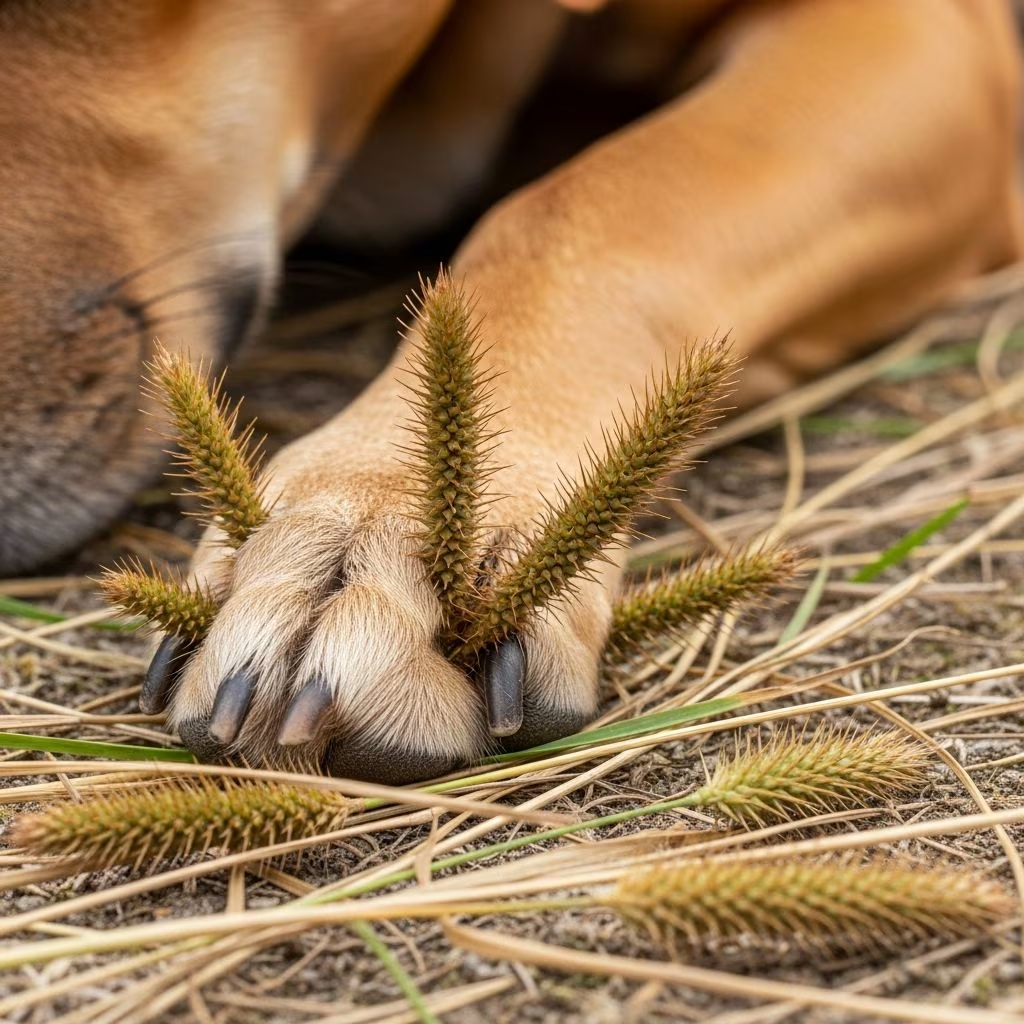
Foxtails, the barbed seed heads of certain grasses, represent one of the most insidious seasonal hazards for dogs. Common in dry, warm regions like the western United States, these arrow-shaped awns easily attach to fur and burrow into skin or orifices, migrating deeper over time and causing severe pain, infections, abscesses, and potentially fatal complications. Unlike simple grass seeds, foxtails’ barbs prevent backward movement, allowing them to travel through tissues toward vital organs if untreated. Dog owners must recognize symptoms early and seek veterinary care promptly, as home remedies often fail and delay can worsen outcomes.
What Are Foxtails?
Foxtails are the mature seed clusters of grasses such as Hordeum murinum (foxtail barley) or Setaria species, prevalent in late spring through fall in arid climates. Their unique structure features a sharp point and backward-facing barbs that propel them forward when disturbed by wind, animal movement, or touch. This design aids seed dispersal in nature but makes them perfect “travelers” in a dog’s body. Once lodged, foxtails carry bacteria, leading to rapid infection. They thrive in unkempt fields, parks, and trails, posing risks during walks, hikes, or playtime.
Short-haired breeds like Labrador Retrievers and active outdoor dogs face higher exposure, but any dog romping through tall, dry grass is vulnerable. Understanding foxtails’ biology empowers owners to avoid infested areas and inspect pets post-outing.
Why Are Foxtails Dangerous for Dogs?
The danger stems from foxtails’ migratory nature: barbs allow one-way penetration into skin, eyes, ears, nose, mouth, paws, or genitals. They don’t biodegrade easily and can travel inches per day, puncturing tissues, creating tracts for bacteria, and forming abscesses. Untreated, they reach lungs, spinal cords, or brains, causing pneumonia, neurological damage, or sepsis. Infections spread quickly due to plant debris harboring microbes.
- Migration risk: Foxtails move with muscle contractions or body fluids.
- Infection potential: Barbs introduce bacteria deep into tissues.
- Multi-site entry: Can affect multiple areas simultaneously.
In regions like South Orange County or California’s dry summers, foxtail prevalence heightens these threats during peak season.
Symptoms of Foxtail Injuries by Location
Symptoms vary by entry point, but common signs include excessive licking, head shaking, sneezing, limping, or pawing at affected areas. Early detection is crucial as foxtails migrate silently.
Foxtails in the Eyes
Risks include corneal ulcers, scratches, conjunctivitis, and blindness. Symptoms: squinting, tearing, discharge, pawing at face, or eye glued shut. First aid: Prevent self-trauma; rush to a veterinary ophthalmologist. Treatment: Numbing agent and forceps removal, possibly under sedation.
Foxtails in the Ears
Risks: infections, eardrum rupture, deafness. Symptoms: violent head shaking, whining, odor, head tilt. Veterinary exam with otoscope and forceps extraction often requires sedation.
Foxtails in the Nose
Risks: infections, tissue erosion, brain migration. Symptoms: explosive sneezing, nasal discharge (possibly bloody), pawing at nose. No safe home removal; sedated rhinoscopy needed.
Foxtails in the Mouth or Throat
Risks: tissue damage, infection, inhalation to lungs. Symptoms: coughing, gagging, swallowing difficulty, drooling. Visible ones may be pulled with tweezers or encased in bread; vet follow-up essential.
Foxtails in Paws or Between Toes
Risks: abscesses, infections, migration up the leg. Symptoms: limping, licking/chewing paws, swelling, drainage holes. Soak in warm water 15 minutes 2-3x daily for 3 days if suspected; vet inspection required.
Foxtails Under the Skin or in Genitals
Risks: migrating abscesses, organ puncture. Symptoms: lumps with central holes, draining tracts, lethargy. Surgical removal often needed.
| Location | Key Symptoms | Risks |
|---|---|---|
| Eyes | Squinting, discharge | Ulcers, blindness |
| Ears | Head shaking | Infection, deafness |
| Nose | Sneezing, bloody discharge | Brain migration |
| Paws | Limping, licking | Abscesses |
| Skin | Lumps, drainage | Organ damage |
Treatment for Foxtail Injuries
Treatment always prioritizes professional removal to avoid pushing barbs deeper. Vets use sedation, scoping tools (otoscope, rhinoscope), and forceps. Antibiotics like Clavamox or cefpodoxime treat secondary infections; anti-inflammatories manage pain. Deep migrations may require surgery or imaging (X-rays, ultrasound). Post-removal, monitor for recurrence and complete meds. Delays exacerbate damage, so seek care at first suspicion.
- Immediate vet visit for embedded foxtails.
- Sedation common for ear/nose/eye cases.
- Follow-up checks prevent chronic issues.
Prevention Tips for Foxtail Season
Proactive steps minimize exposure:
- Avoid hotspots: Skip dry, grassy fields; walk on cleared paths.
- Groom regularly: Check and comb fur after outings, especially paws, ears, armpits.
- Use gear: Foxtail-proof hoodies, goggles, socks; trim fur between toes.
- Yard maintenance: Mow lawns short, use pre-emergent herbicides.
- Post-walk checks: Inspect nose, ears, eyes, paws daily in season.
For high-risk areas like Southern California, combine these with professional grooming.
Frequently Asked Questions (FAQs)
What should I do if I suspect a foxtail in my dog’s paw?
Soak the paw in warm water 15 minutes, 2-3 times daily for 3 days, but see a vet immediately if licking or swelling persists.
Can I remove a foxtail from my dog’s eye at home?
No—risk driving it deeper. Prevent pawing and go to a vet or ophthalmologist urgently.
How do I know if my dog has a foxtail in its nose?
Look for violent sneezing fits and nasal discharge; seek sedated vet removal.
Are foxtails seasonal?
Yes, peaking in dry summer/fall in grassy regions.
What breeds are most at risk?
Active, short-haired outdoor dogs like Labs, but all are susceptible.
By staying vigilant, dog owners can safeguard pets from foxtails’ hidden dangers, ensuring happy, healthy adventures.
References
- Symptoms and Treatment of Foxtail Invasions in Dogs — Whole Dog Journal. 2023-05-15. https://www.whole-dog-journal.com/care/symptoms-and-treatment-of-foxtail-invasions-in-dogs/
- Foxtails in Dogs: Risks, Symptoms, and Prevention — Bliss Animal Hospital. 2024-03-20. https://blissanimalhospital.com/blog/foxtail-in-dogs/
- How to Spot, Prevent, and Treat Foxtail Injuries in Pets — Advanced Veterinary Medical Center. 2024-06-10. https://advancedvmc.net/how-to-spot-prevent-and-treat-foxtail-injuries-in-pets/
- Foxtails and Dogs: What Pet Parents Need to Know — VEG ER for Pets. 2023-11-08. https://www.veg.com/post/foxtails-and-dogs-what-pet-parents-need-to-know
- Fox Tail Dangers for Dogs: Emergency Signs and Urgent Care Guide — GSVS. 2024-04-22. https://gsvs.org/blog/fox-tail-danger-dogs-emergency/
- Foxtails: What They Are and Why They’re Harmful to Dogs — PetMD. 2025-02-14. https://www.petmd.com/dog/general-health/foxtails



