

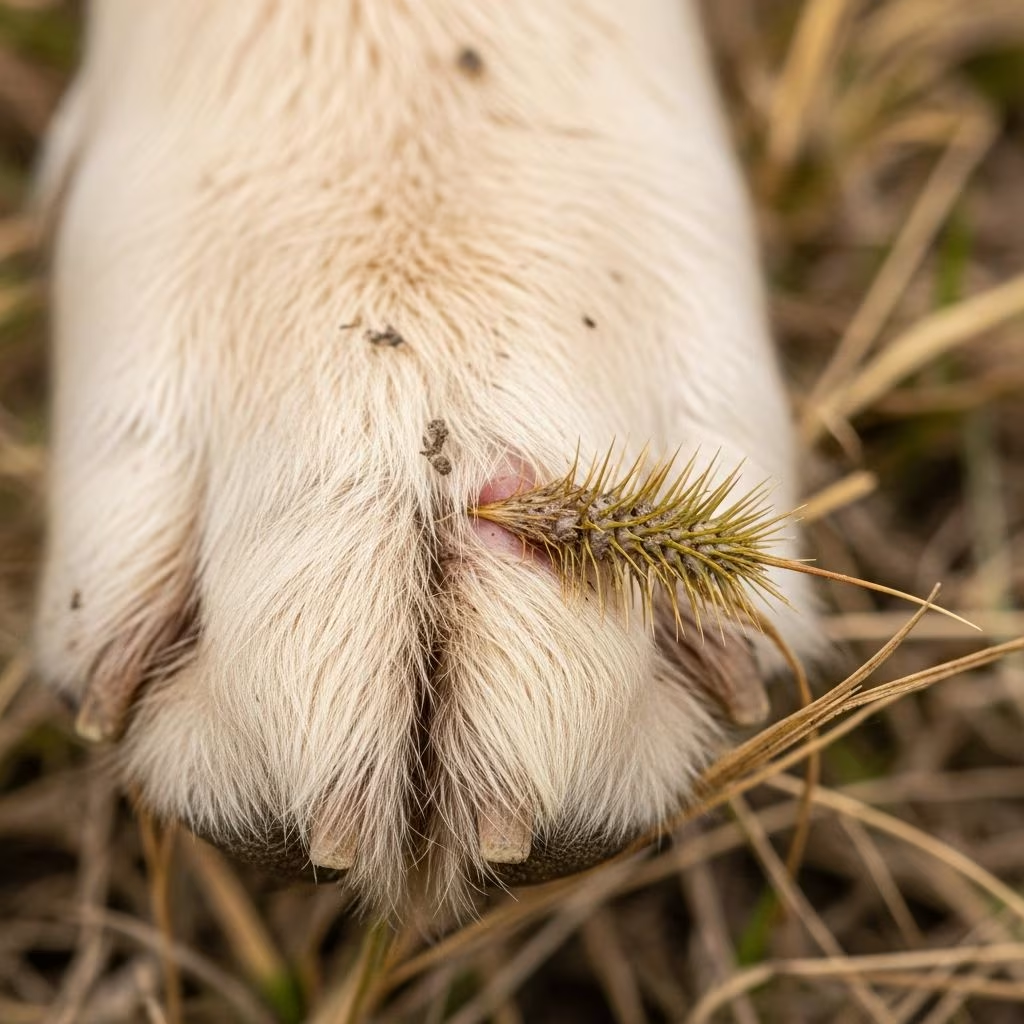
Foxtails, the dried seed heads of certain grasses, represent a significant danger to dogs due to their barbed structure that allows them to burrow into skin, eyes, ears, noses, and paws. These seeds migrate deeper over time, often causing infections, abscesses, and life-threatening conditions if not addressed promptly.
Understanding the Nature of Foxtails
Foxtails emerge from grasses like Hordeum murinum or Setaria species, becoming hazardous in late spring through fall when dry and mature. The barbs on the seed head catch on fur and propel forward with movement, resisting backward extraction. Dogs encounter them during walks in grassy fields, parks, or unkempt yards, especially in dry climates like California.
Once attached, foxtails penetrate tissues easily. They can travel through skin layers, enter body cavities, or lodge in orifices, leading to swelling, pus discharge, and systemic infections. Untreated cases may result in organ puncture, pneumonia, or death.
Common Entry Points and Associated Risks
Foxtails target vulnerable areas. Here’s a breakdown:
- Paws and Toes: Frequent due to ground contact, causing limping and intense licking.
- Ears: Enter during head shaking in grass, leading to balance issues.
- Eyes: Brush against face, irritating cornea and causing ulcers.
- Nose and Throat: Inhaled while sniffing, triggering violent sneezing.
- Skin and Genitals: Embed in furred areas like armpits or groin.
This migration potential makes early detection critical.
Recognizing Symptoms by Affected Area
Signs depend on location but share themes of irritation and inflammation. Prompt observation after outdoor exposure is key.
Skin and Paw Penetration
Dogs with foxtails in paws show redness, swelling, and excessive chewing between toes. Limping develops quickly, and untreated sites form draining abscesses with pus. Check for small punctures or grass awns protruding.
Ear Canal Irritation
A foxtail in the ear causes violent head shaking, tilting, whining, and scratching. Odor or dark discharge signals infection. Deep lodging may rupture eardrums.
Ocular Involvement
Eye foxtails provoke squinting, tearing, redness, and pawing. Corneal scratches risk ulcers and vision loss without intervention.
Nasal and Respiratory Distress
Inhaled foxtails lead to nonstop sneezing, nasal bleeding or discharge, and gagging. Progression includes coughing, labored breathing, and pneumonia.
Oral and Throat Lodging
Ingestion results in drooling, coughing lumps in neck, and swallowing difficulty. Internal migration can cause lung collapse or abscesses.
| Area | Key Symptoms | Urgency Level |
|---|---|---|
| Paws/Skin | Limping, licking, swelling, pus | High |
| Ears | Head shaking, odor, discharge | High |
| Eyes | Squinting, tearing, redness | Critical |
| Nose/Throat | Sneezing, coughing, breathing issues | Critical |
Systemic signs like lethargy, fever, or appetite loss indicate advanced spread.
Immediate At-Home Checks and Actions
After grassy outings, inspect your dog thoroughly. Use good lighting and part the fur, focusing on toes, ears, armpits, groin, and face. Remove visible superficial foxtails with tweezers, pulling in the direction of barbs, but avoid deep probing.
Wash affected skin with mild antiseptic. Monitor for 24-48 hours. If symptoms persist or worsen, seek veterinary help immediately—do not delay.
Professional Diagnosis and Removal Techniques
Vets confirm foxtails via physical exam, often using otoscopes for ears, ophthalmoscopes for eyes, or rhinoscopes for noses. Imaging like X-rays, ultrasounds, or CT scans locates migrants.
Removal methods vary:
- Surface Extraction: Forceps under light sedation.
- Deep Paw/Nose: General anesthesia for flushing or endoscopy.
- Surgical Retrieval: For internal or abscessed cases, with incision and drainage.
Post-removal, antibiotics (e.g., cefpodoxime) combat bacteria, while pain meds aid comfort. E-collars prevent self-trauma.
Post-Treatment Care and Monitoring
Follow vet instructions precisely. Clean wounds daily, administer meds fully, and attend follow-ups. Watch for recurring symptoms, signaling missed fragments—recheck if no improvement in 1-3 days.
Recovery is swift with early action, but complications like fistulas or organ damage prolong healing.
Seasonal and Environmental Prevention Strategies
Prevention trumps treatment. Key steps:
- Avoid foxtail-heavy areas during dry seasons; stick to mowed paths.
- Groom short-haired breeds; use booties on paws.
- Daily post-walk inspections and baths.
- Yard maintenance: Mow frequently, remove seed heads.
- Professional grooming checks high-risk dogs.
Train dogs to avoid tall grass sniffing.
Special Considerations for Breeds and Lifestyles
Long-haired or low-slung breeds like Spaniels or Dachshunds are prone due to fur trapping. Active hunting or herding dogs face higher exposure. Urban dogs in parks need vigilance too.
Frequently Asked Questions (FAQs)
Can I remove a foxtail at home?
Only superficial ones with tweezers; deep or sensitive areas require vets to avoid pushing further.
How quickly do foxtails migrate?
They advance centimeters daily, worsening rapidly.
Are foxtails fatal?
Rarely, but untreated internal ones can cause pneumonia or sepsis.
What if my dog ate a foxtail?
Monitor for vomiting or distress; X-rays guide removal.
Do cats get foxtails too?
Yes, but dogs’ ground-level activity increases risk.
Long-Term Management for Recurrent Exposures
In foxtail-prevalent regions, schedule seasonal vet checks. Consider allergy testing if chronic irritation mimics symptoms. Invest in protective gear like vests or goggles for hikes.
By integrating vigilance, grooming, and habitat control, dog owners minimize risks effectively.
References
- Foxtail Injuries in Dogs: Symptoms, Treatment, & Prevention — Pawlicy Advisor. 2023. https://www.pawlicy.com/blog/foxtail-injuries-in-dogs/
- How to Spot, Prevent, and Treat Foxtail Injuries in Pets — Advanced Veterinary Medical Center. 2024. https://advancedvmc.net/how-to-spot-prevent-and-treat-foxtail-injuries-in-pets/
- Foxtails Injury in Dogs – Symptoms, Causes, Diagnosis, Treatment — WagWalking. 2023. https://wagwalking.com/condition/foxtails-injury
- Foxtails in Dogs: Risks, Symptoms, and Prevention — Bliss Animal Hospital. 2024. https://blissanimalhospital.com/blog/foxtail-in-dogs/
- Foxtails: What They Are and Why They’re Harmful to Dogs — PetMD. 2024-01-15. https://www.petmd.com/dog/general-health/foxtails
- Foxtails and Dogs — UC Davis School of Veterinary Medicine. 2023. https://healthtopics.vetmed.ucdavis.edu/health-topics/foxtails



