

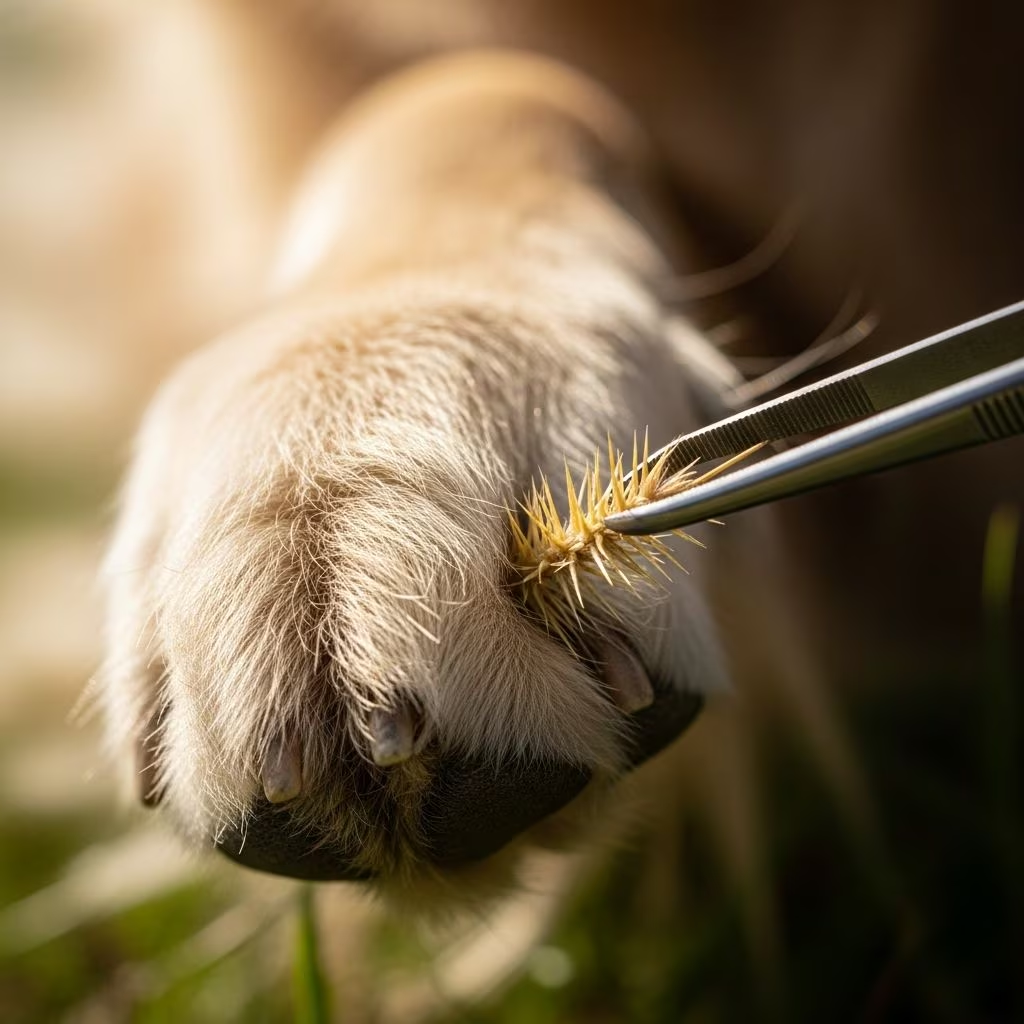
Foxtails, the barbed seed heads of certain grasses, pose a significant threat to dogs, especially during dry summer months when they become sharp and sticky. These seeds can embed in skin, paws, ears, eyes, nose, or even migrate internally, leading to pain, infections, and costly veterinary interventions. Early detection and proper handling are crucial for your dog’s well-being.
Understanding the Foxtail Threat
Foxtails are arrow-shaped grass awns designed by nature to burrow into soil for propagation. In dogs, their barbs catch fur and penetrate tissues, resisting backward movement and potentially traveling deeper. Common in weedy fields, parks, and trails, they thrive in warm, arid conditions prevalent across many regions.
Dogs with long, dense coats or those who romp through tall grasses face higher risks. Active breeds like retrievers or herding dogs that nose around underbrush are particularly vulnerable. Once attached, foxtails can cause localized swelling or systemic issues if ignored.
Common Entry Points and Warning Signs
Foxtails target vulnerable areas. Here’s a breakdown of typical sites and symptoms:
- Paws: Limping, excessive licking, redness, swelling between toes, or small draining holes. Abscesses may form after days.
- Ears: Head shaking, whining, foul odor, or discharge indicating irritation or infection.
- Eyes: Squinting, tearing, redness, or a shut eye from scratches or embedded seeds risking ulcers or blindness.
- Nose: Sneezing fits, nasal discharge (sometimes bloody), or pawing at the face.
- Skin/Genitals: Lumps, scabs, or unusual grooming focused on flanks or underbelly.
Monitor post-walk: inspect fur, especially between toes, armpits, and tail base. A fine comb helps dislodge surface seeds before embedding.
Immediate Home Care Strategies
Act swiftly upon suspicion. Prevention starts with daily checks after outdoor play.
Surface Removal Techniques
For visible foxtails in fur:
- Clip fur around the area to expose seeds.
- Use blunt tweezers or fingers to grasp the base firmly, pulling straight out—never squeeze the barbs.
- Wash with mild antibacterial soap and rinse thoroughly.
Soaking for Embedded Paws
Paw penetrations often respond to conservative care. Soak the affected foot in warm water (plain or Epsom salts) for 15 minutes, 2-3 times daily over 3-5 days. This softens tissues, promotes abscess formation, and expels the intruder naturally.
Follow with antiseptic soaks if drainage occurs. If no improvement or migration signs (new bumps up the leg), seek veterinary aid promptly.
Holistic and Homeopathic Support Options
Complementary approaches can aid expulsion without immediate surgery. Consult a holistic vet first.
| Remedy | Use Case | Dosage Guideline |
|---|---|---|
| Silica (Silicea) 6C or 30C | Draws foreign bodies to surface; ideal for paws, splinters. | 2-3 pellets 3x daily; or aqueous soak. Stop on improvement. |
| Hepar Sulphuris 30C | Infection signs, chilliness, pain sensitivity. | 2-3 pellets 3x daily until better. |
| Chamomilla 30C | Extreme touch pain, crying/whining. | 2-3 pellets as needed. |
Prepare aqueous solutions: dissolve pellets in 3 oz spring water, succuss (shake) 10 times. Use clean mouth, away from food.
These remedies encourage the body’s rejection of invaders but aren’t substitutes for professional care if symptoms worsen.
When to Rush to the Vet
Home efforts fail if:
- Symptoms persist beyond 3 days.
- Migration evident (swelling tracks upward).
- Infection spreads (fever, lethargy).
- Eye, ear, or nose involvement—delicate areas risk permanent damage.
Vets use tools like otoscopes, rhinoscopes, or forceps under sedation/anesthesia for safe extraction. Antibiotics treat secondary infections; surgery explores deep migrants.
Advanced Veterinary Interventions
For stubborn cases:
- Eyes: Numbing agents, careful tweezers; ophthalmologist referral.
- Ears/Nose: Sedation, specialized forceps via scope.
- Internal: Imaging (ultrasound/X-ray), exploratory surgery.
Post-procedure: e-collars prevent self-trauma, plus meds for pain/inflammation.
Prevention: Your Best Defense
Minimize exposure:
- Grooming Gear: Foxtail-proof vests, gaiters for paws/legs; close-nose muzzles for sniffers.
- Habitat Control: Mow lawns short; avoid weedy walks during seed season (late spring-fall).
- Post-Outing Routine: Full-body brush/comb, bath if needed. Trim interdigital fur.
- Breed Tips: Short-haired dogs less prone; double-coats trap more—daily maintenance key.
In foxtail-heavy zones, stick to paved paths or early-morning hikes when seeds are dewy and less barbed.
Case Studies and Real-World Insights
Owners report success with soaks plus Silica: one dog’s paw abscess burst after 4 days, expelling the seed cleanly. Another avoided eye surgery by gentle home removal followed by vet confirmation. Delays, however, led to leg migrations requiring incisions.
Blind owners adapt: enlist help for checks, use voice-activated grooming tools.
Frequently Asked Questions (FAQs)
Can foxtails kill my dog?
Rarely directly, but untreated migrations to lungs, spine, or brain can cause fatal infections or organ failure. Prompt care prevents this.
Is Epsom salt soak safe for all dogs?
Yes for most; avoid open wounds or allergies. 10-15 min sessions prevent skin drying.
How long for homeopathic remedies to work?
Days to weeks; monitor closely. Combine with soaks for paws.
What if my dog has multiple foxtails?
Treat systematically; vet for clustered or internal suspicions.
Are foxtails seasonal?
Peak dry summer; year-round in mild climates.
Long-Term Care After Foxtail Incidents
Recovering dogs benefit from:
- Soft bedding, restricted activity 7-10 days.
- Probiotic supplements if antibiotics used.
- Follow-up exams to rule out remnants.
Build immunity with balanced diet, omega-3s for skin health.
References
- Symptoms and Treatment of Foxtail Invasions in Dogs — Whole Dog Journal. 2023-06-15. https://www.whole-dog-journal.com/care/symptoms-and-treatment-of-foxtail-invasions-in-dogs/
- How To Spot And Remove Dangerous Foxtails From Your Dog’s Fur — Dogs Naturally Magazine. 2024-05-20. https://www.dogsnaturallymagazine.com/remove-foxtails-from-dog/
- Fun with Foxtails — Animalkind Vet Clinic. 2023-08-10. https://animalkindvet.com/fun-foxtails/
- Foxtail Injuries in Dogs: What to Do — Preventive Vet. 2025-01-12. https://www.preventivevet.com/dogs/preventing-and-treating-foxtail-injuries-to-dogs



