

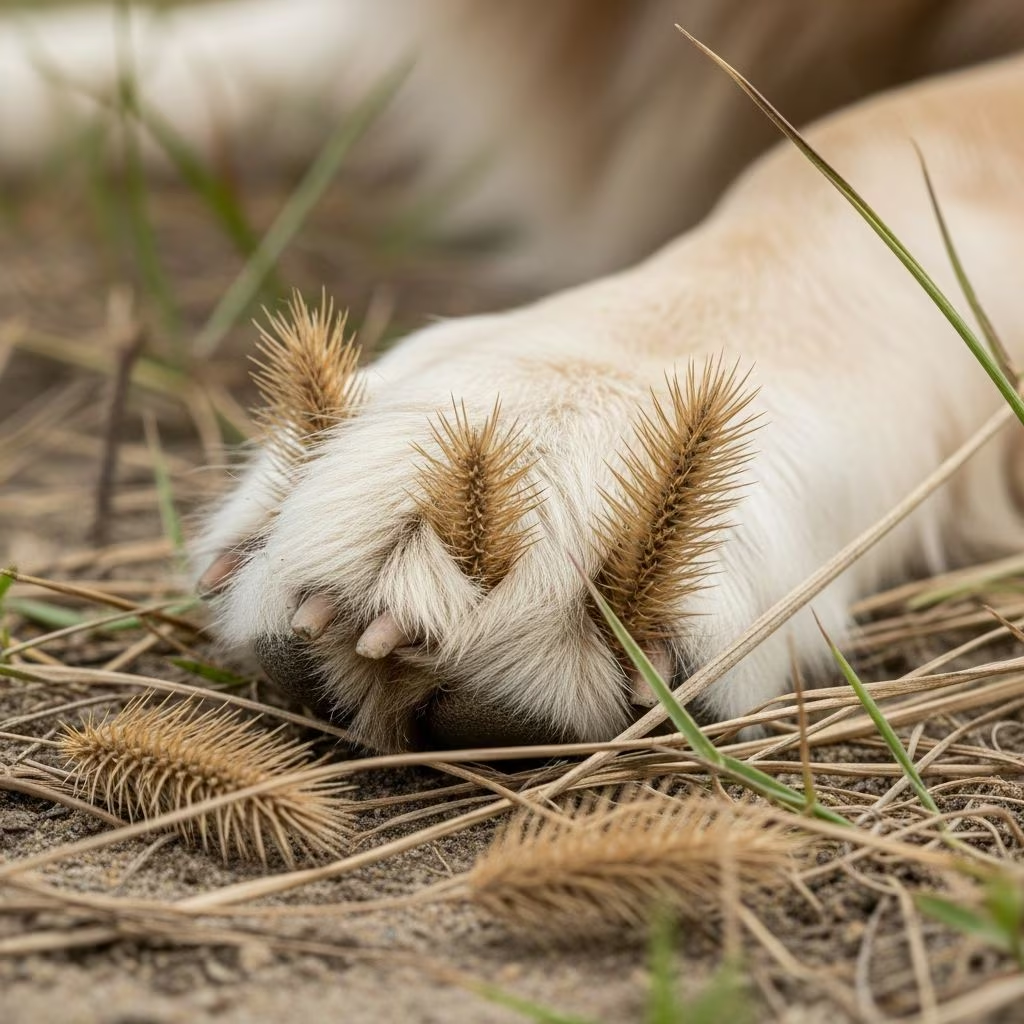
Foxtail grass seeds, also known as grass awns, represent one of the most insidious threats to canine health, capable of embedding deeply into a dog’s body and causing severe infections or even life-threatening complications.
What Are Foxtail Grass Seeds?
Foxtail grasses produce distinctive seed heads resembling a fox’s tail, featuring sharp, barbed awns that propel the seeds forward into soil for propagation. These barbs, covered in microscopic projections, allow unidirectional movement, preventing backward travel once attached. Common varieties include brome, barley, and millet, prevalent in dry, warm climates during late spring through summer when seeds mature and detach easily.
Unlike ordinary grass, foxtail seeds do not degrade; they burrow relentlessly through fur, skin, and tissues, carrying bacteria that trigger abscesses and infections. This migration can span paws, ears, eyes, nose, skin, and even internal organs like lungs or brain if inhaled or swallowed.
Where Do Foxtails Grow?
Foxtails proliferate in diverse environments, making avoidance challenging for dog owners:
- Dry, open fields, meadows, and grassy hillsides.
- Roadsides, sidewalks, and overgrown backyards.
- Hiking trails, parks, and playgrounds with tall, untended grass.
- Beaches, dunes, and agricultural areas post-harvest.
Peak danger occurs in late spring to autumn when grasses dry out, seeds become brittle, and barbs hook effortlessly onto passing animals.
How Do Foxtails Affect Dogs?
Dogs encounter foxtails during walks, play, or sniffing in infested areas. Seeds latch onto fur, especially in long-coated breeds, then penetrate vulnerable entry points:
- Paws: Lodge between toes or pads, causing limping and licking.
- Ears: Travel down canals, provoking head shaking.
- Eyes: Scratch corneas, leading to squinting and discharge.
- Nose: Inhaled during sniffing, causing violent sneezing.
- Skin: Embed in armpits, groin, or belly.
- Mouth/Throat: Swallowed, migrating to lungs or intestines.
The barbed design ensures seeds advance deeper, evading natural expulsion and fostering bacterial infections.
Symptoms of Foxtail in Dogs
Early detection hinges on recognizing subtle behavioral shifts. Symptoms vary by location:
| Entry Point | Common Symptoms |
|---|---|
| Paws | Limping, excessive licking/chewing, swelling between toes, redness. |
| Ears | Head shaking/tilting, scratching, foul odor, pain on touch. |
| Eyes | Squinting, tearing, redness, pawing at face, cloudiness. |
| Nose | Violent sneezing, bloody/nasal discharge, pawing at snout, breathing issues. |
| Skin | Swelling, draining tracts, hair loss, abscesses. |
| Internal | Coughing, lethargy, fever, loss of appetite (lungs/throat). |
If untreated, symptoms escalate to systemic infection, requiring surgery.
Dangers of Foxtails in Dogs
Foxtails’ lethality stems from persistent migration and infection potential. Seeds transport bacteria deep into tissues, forming abscesses that rupture painfully. Respiratory cases can induce pneumonia or reach the brain via nasal passages. Eye penetrations risk corneal ulcers or blindness; paw embeds erode pads. Surgical extraction often proves necessary, with rare fatalities from organ perforation.
UC Davis reports highlight chronic cases, like a dog needing year-long treatment post-ear foxtail. Prompt intervention minimizes these risks dramatically.
How to Prevent Foxtails in Dogs
Proactive measures significantly reduce exposure:
- Avoidance: Steer clear of tall, dry grass; stick to mowed paths.
- Grooming: Trim fur short, especially paws, ears, and underbelly for long-haired dogs.
- Post-Outing Checks: Inspect fur, crevices, orifices after every outing—use a comb for dense coats.
- Protective Gear: Dog booties, goggles, or foxtail-specific collars in high-risk areas.
- Yard Control: Mow regularly, remove foxtails before seeding.
Safe Foxtail Removal from Dogs
Never attempt deep removals at home—barbs complicate extraction, risking deeper embedding.
- Surface Seeds: Tweezers for shallow skin/coat attachments; pull parallel to barbs.
- Eyes/Ears/Nose: Vet only—use sedation, scopes, or flushing.
- Paws: Clip fur, soak in Epsom, extract if visible; vet for embedded.
Post-removal, clean with antiseptic; monitor for infection (swelling, pus, fever).
When to See a Vet for Foxtail Issues
Seek immediate care if:
- Symptoms persist post-home check.
- Discharge, foul odor, or behavioral distress appears.
- Dog resists touch in affected areas.
- Systemic signs like fever or lethargy emerge.
Vets employ otoscopes, rhinoscopes, X-rays, or ultrasound for diagnosis, followed by extraction under anesthesia if needed.
Treatment for Foxtail Injuries in Dogs
Treatment escalates with penetration depth:
- Mild: Antibiotics, anti-inflammatories, e-collars.
- Moderate: Flushing, minor surgery for abscesses.
- Severe: Thoracotomy/laparotomy for internal foxtails; prolonged antibiotics.
Recovery demands rest, wound care, and follow-ups to prevent recurrence.
Foxtail Grass Seeds FAQs
What do foxtail grass seeds look like?
Golden-brown, fuzzy spikes 1-4 inches long, resembling fox tails; barbs visible under magnification.
Are foxtails dangerous to dogs?
Yes, extremely—their barbs cause irreversible migration and infections.
How do I know if my dog has a foxtail?
Look for localized pain, swelling, discharge, sneezing, or shaking.
Can I remove a foxtail from my dog’s nose at home?
No—risks pushing it deeper; requires veterinary rhinoscopy.
Do all dogs get foxtails?
Hunting/short-coated breeds in grassy areas face highest risk.
Can foxtails kill dogs?
Rarely, but untreated internal cases can via pneumonia or sepsis.
References
- Foxtail Grass and Its Harmful effects on dogs — Dogsee Chew. 2023. https://www.dogseechew.in/blog/foxtail-grass-and-its-harmful-effects-on-dogs
- Foxtails and Dogs: What pet parents need to know — VEG ER for Pets. 2024. https://www.veg.com/post/foxtails-and-dogs-what-pet-parents-need-to-know
- Foxtails Pose Serious Health Risks to Animals — UC Davis School of Veterinary Medicine. 2023-05-15. https://www.vetmed.ucdavis.edu/news/foxtails-pose-serious-health-risks-animals
- Foxtails: What They Are and Why They’re Harmful to Dogs — PetMD. 2025-03-10. https://www.petmd.com/dog/general-health/foxtails
- Foxtail Grass Dangers — Humane Society of Utah. 2024. https://www.utahhumane.org/blog/foxtail-grass-dangers
- Foxtail in Dog’s Nose: Urgent Signs and When It’s an Emergency — Golden State Veterinary Specialists. 2024. https://gsvs.org/blog/dog-foxtail-nose-urgent-signs/



