

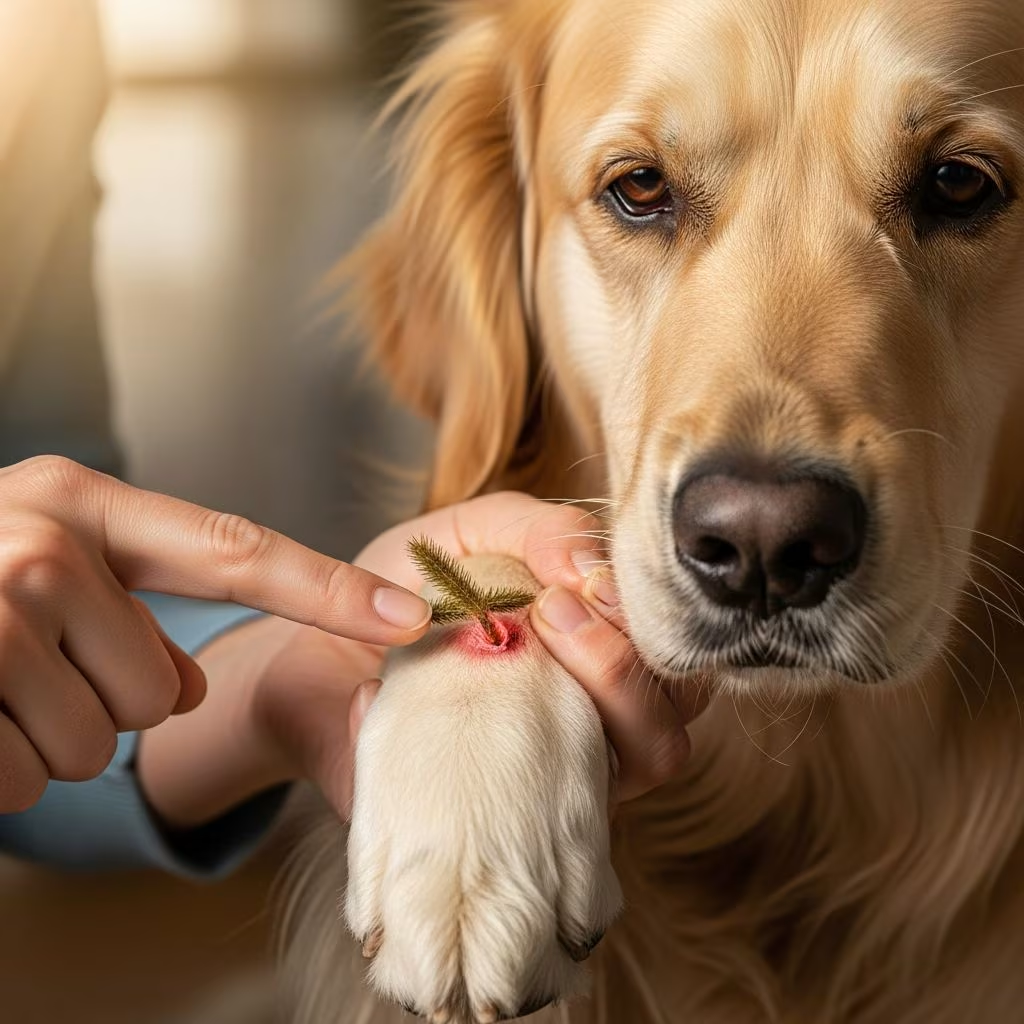
Foxtails, the barbed seed heads of certain grasses common in dry, warm regions, pose a significant threat to dogs during outdoor activities. These arrow-like structures easily attach to fur and penetrate skin, orifices, and sensitive areas, leading to pain, infections, and potentially life-threatening conditions if untreated. Understanding their impact across different body parts is crucial for pet owners.
Understanding Foxtails and Their Threat to Canines
Foxtails form at the tips of grasses like cheatgrass or Hordeum species, maturing into stiff, pointed awns designed for seed dispersal. In dogs, these barbs migrate inward due to their one-way structure, resisting backward movement and burrowing deeper with each step or shake. This migration can occur in skin, eyes, ears, nose, mouth, paws, or even lungs if inhaled, causing escalating damage.
Seasonally prevalent from late spring to fall, foxtails thrive in fields, parks, and trails, making hikes and playtime risky. Breeds with long fur, floppy ears, or inquisitive sniffing habits—such as Spaniels, Labs, and herding dogs—are particularly vulnerable. Prompt recognition of entry points prevents complications like abscesses or organ perforation.
Recognizing Foxtail Entry in the Nose
When a foxtail lodges in a dog’s nasal passage, it triggers intense irritation. Owners often witness explosive, repeated sneezing bouts, sometimes with traces of blood in the discharge. The dog may paw frantically at its snout or rub it against surfaces, showing clear distress.
Symptoms can wax and wane; initial violent sneezing might subside temporarily as the barb lodges deeper, only to recur. Risks include chronic sinus infections, tissue erosion, and rare but grave migration toward the brain, emphasizing the need for immediate veterinary evaluation. No reliable home remedies exist for nasal foxtails due to their inaccessibility.
Signs and Risks in Ears
Ear canal invasions cause head shaking, tilting to one side, or excessive scratching at the affected ear. Pain leads to whining or reluctance to be touched, potentially progressing to infections or eardrum rupture if ignored.
Deep embedding complicates detection, as the awn burrows inward, fostering bacterial growth. Breeds with pendulous ears face higher odds, where moisture traps the seed, worsening inflammation. Untreated cases risk hearing loss or vestibular disturbances affecting balance.
Eye Involvement: A Delicate Emergency
Foxtails scratching the cornea or hiding under the third eyelid provoke squinting, tearing, redness, and discharge. The eye may swell shut, with the dog pawing persistently.
Complications range from ulcers to blindness, demanding swift professional intervention. Amateur removal attempts often push the barb deeper or cause additional trauma, so transport to a vet ophthalmologist is advised.
Oral and Throat Intrusions
In the mouth or throat, foxtails induce gagging, coughing, excessive swallowing, or drooling. Dogs may hack during meals or stretch their necks uncomfortably.
These can lacerate soft tissues, embed in gums, or travel to lungs via inhalation, causing pneumonia. Visible surface awns might be gently extracted with tweezers, but deeper ones require sedation and veterinary tools.
Paw and Skin Embedments
Paws suffer most visibly, with symptoms like obsessive licking, limping, swelling between toes, or draining tracts. Bumps or holes signal subsurface migration.
| Body Area | Common Symptoms | Potential Risks |
|---|---|---|
| Nose | Sneezing, nasal bleed | Infection, brain migration |
| Ears | Head shake, tilt | Eardrum damage, deafness |
| Eyes | Squinting, discharge | Ulcers, blindness |
| Mouth/Throat | Gagging, cough | Lung aspiration |
| Paws/Skin | Licking, swelling | Abscesses, infections |
Immediate Steps for Suspected Foxtail Issues
- Prevent self-trauma: Use a cone collar to stop pawing or rubbing.
- Avoid DIY extractions in nose, ears, or eyes; these areas need scoping equipment.
- For visible paw or mouth foxtails, use blunt tweezers under good light, then monitor.
- Rush to the vet: Time is critical as barbs migrate rapidly.
Post-exposure checks involve parting fur, inspecting orifices, and flushing accessible areas with saline if advised.
Professional Removal Techniques
Vets employ specialized tools: rhinoscopes for noses, otoscopes with forceps for ears, and fluorescein staining for eyes. Sedation ensures safety, especially for wiggly patients. Deep skin or lung cases may need ultrasound-guided surgery or thoracotomy.
Antibiotics, anti-inflammatories, and pain relief follow extraction to combat secondary infections. Recheck visits confirm complete removal, as fragments can linger.
Preventive Measures for Foxtail Season
Proactive strategies minimize exposure:
- Groom regularly: Trim fur between toes and around ears; brush out debris after walks.
- Protective gear: Use foxtail masks, goggles, or vests for high-risk areas.
- Avoid hotspots: Steer clear of dry fields; walk midday when seeds are less airborne.
- Post outing ritual: Full body inspection, especially nose, ears, paws.
For avid field dogs, professional grooming or booties add layers of defense.
Long-Term Care After Foxtail Removal
Recovery varies by site: eyes and paws heal quickest with meds, while nasal cases might sneeze residually. Watch for lethargy, fever, or worsening discharge signaling retained pieces or abscesses.
Scar tissue can form, altering ear shape or paw padding. Annual check-ups for outdoor dogs catch chronic issues early.
FAQs on Foxtail Problems in Dogs
Can foxtails cause fatal issues?
Yes, migration to lungs, brain, or spinal canal can lead to pneumonia, meningitis, or paralysis if untreated.
How soon after exposure do symptoms appear?
Often within hours; sneezing or shaking starts immediately, but embedded signs like swelling emerge in days.
Are certain dogs more at risk?
Long-coated, low-slung, or hunting breeds yes, due to fur trapping and ground-level sniffing.
What if my dog sneezes out a foxtail?
Monitor closely; partial expulsion leaves barbs, requiring vet confirmation via scoping.
Is home paw soaking safe?
Warm water soaks can draw out shallow embeds, but add antiseptic and vet-follow if no improvement in 48 hours.
Seasonal Vigilance Saves Lives
Foxtail awareness transforms risky romps into safe adventures. By mastering signs across body zones, acting decisively, and layering preventives, owners safeguard their companions from this insidious grass menace. Consult your vet for tailored advice based on your dog’s lifestyle.
References
- Symptoms and Treatment of Foxtail Invasions in Dogs — Whole Dog Journal. Accessed 2026. https://www.whole-dog-journal.com/care/symptoms-and-treatment-of-foxtail-invasions-in-dogs/
- Foxtails — The Drake Center for Veterinary Care. Accessed 2026. https://www.thedrakecenter.com/resources/materials/general/foxtails
- How to Spot, Prevent, and Treat Foxtail Injuries in Pets — Advanced Veterinary Medical Center. Accessed 2026. https://advancedvmc.net/how-to-spot-prevent-and-treat-foxtail-injuries-in-pets/
- Foxtails in Dogs: Risks, Symptoms, and Prevention — Bliss Animal Hospital. Accessed 2026. https://blissanimalhospital.com/blog/foxtail-in-dogs/
- Foxtails and Dogs — UC Davis School of Veterinary Medicine. Accessed 2026. https://healthtopics.vetmed.ucdavis.edu/health-topics/foxtails
- Foxtails Injury in Dogs — WagWalking. Accessed 2026. https://wagwalking.com/condition/foxtails-injury



