

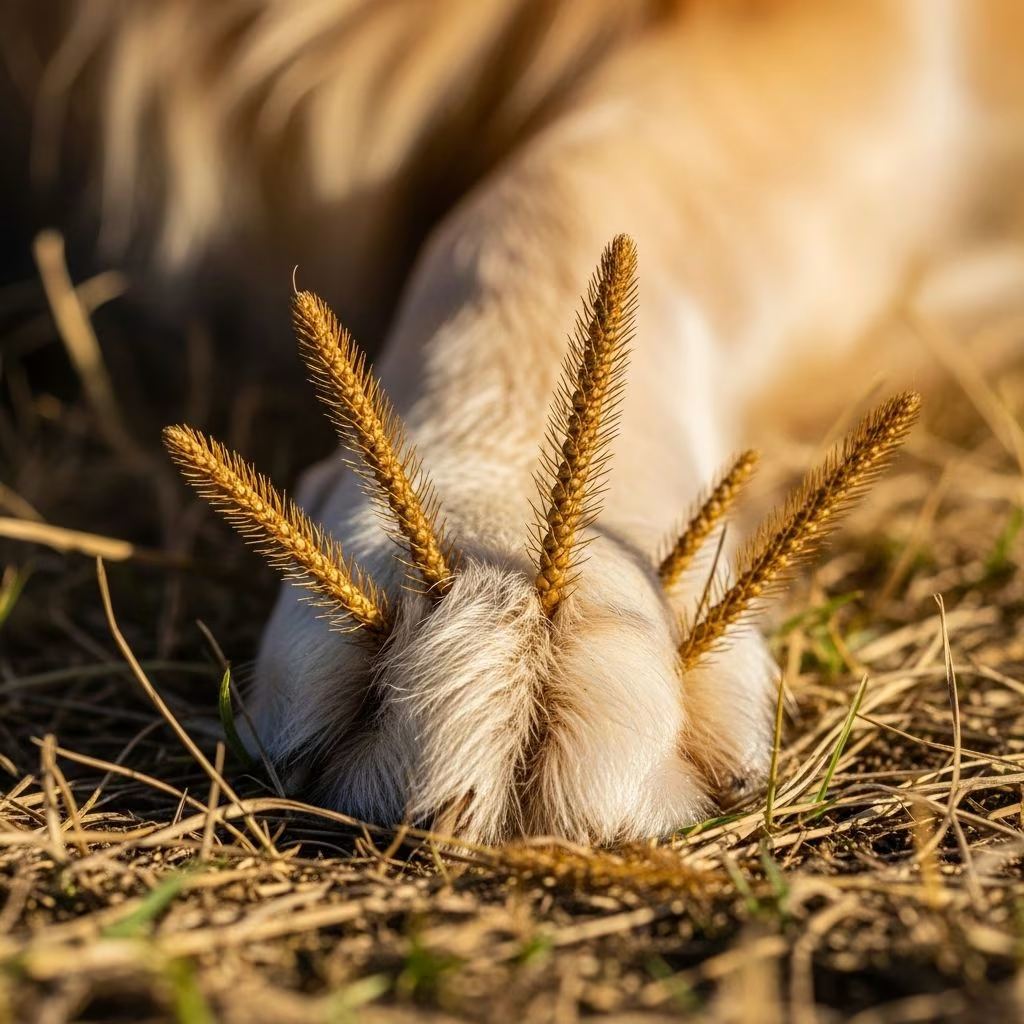
Foxtail grasses represent one of the most insidious environmental threats to dogs across North America. These barbed seed heads, which mature into sharp, arrow-like structures, can penetrate a dog’s body through simple contact during walks or play, leading to infections, abscesses, and in rare cases, life-threatening complications. Understanding their appearance, entry points, symptoms, and proactive measures is essential for every dog owner.
Understanding Foxtail Grasses and Their Spread
Foxtails, scientifically known as grass awns from plants like brome, barley, and millet, thrive in dry, warm climates from spring through fall. They are prevalent in the western U.S., but found nationwide in fields, trails, and unkempt yards. The seed heads start green and soft but harden into golden-brown spikes as they dry, equipped with backward-facing barbs that propel them forward into skin or fur without allowing retreat.
- Visual traits: Bushy, tail-like clusters atop tall grasses, with tiny hair-like awns on seeds.
- Growth cycle: Seeds drop by the hundreds, hardening in summer for maximum danger.
- Habitat: Overgrown areas, hiking paths, and parks, especially May to December.
Dogs with floppy ears, long coats, or those that hunt or run through grass face heightened risks, as awns latch onto fur easily.
Primary Entry Points and Resulting Health Risks
Once attached, foxtails migrate inward due to their ratcheting barbs, carrying bacteria that spark severe infections. They do not degrade, continuing movement until extracted.
| Body Part | Common Symptoms | Potential Complications |
|---|---|---|
| Paws/Toes | Limping, excessive licking, swelling between digits | Abscesses, deep infections requiring surgery |
| Ears | Head shaking, tilting, scratching, foul odor | Chronic otitis, eardrum rupture |
| Eyes | Squinting, tearing, rubbing face, redness | Corneal ulcers, vision loss |
| Nose/Mouth | Sneezing, nasal discharge, coughing, gagging | Pneumonia, migration to lungs/brain |
| Skin/Other | Lumps, draining sores, pain on touch | Systemic infection, sepsis |
The paws are the most frequent site, as seeds embed in webbing during steps. Ears trap them due to shape, while inhalation during open-mouth running sends them to airways—rare but grave, potentially causing pneumonia or spinal migration.
Recognizing Early Warning Signs
Swift detection prevents escalation. Monitor post-outdoor activity:
- Sudden behavioral shifts like reluctance to walk or play.
- Visible grass bits in fur, especially interdigital spaces.
- Persistent licking, pawing at face/ears, or nasal sneezing.
- Swelling, warmth, or pus from any orifice.
If symptoms appear, inspect thoroughly with good lighting and comb through fur. Do not probe deeply without tools, as this drives awns further.
Effective Prevention Strategies for Dog Owners
Proactive habits minimize exposure:
- Avoidance: Skip grassy trails; stick to mowed paths or pavement. Leash dogs in suspect areas.
- Grooming: Trim fur short between toes and around ears in season. Long-haired breeds benefit most.
- Yard control: Mow regularly, apply pre-emergent herbicides to kill foxtails before seeding.
- Post-walk checks: Comb coat, examine paws/ears/nose daily. Use fine-tooth comb or tweezers for surface awns.
- Protective gear:
Hunting or active dogs need extra vigilance, as speed increases inhalation risk.
Step-by-Step Home Removal Techniques
For superficial awns:
- Calm your dog; use muzzle if needed.
- Flush area with saline or water to dislodge.
- Tweeze parallel to skin, never squeezing.
- Shave fur around site for visibility.
Skip if embedded; vet intervention is safer to avoid pushing deeper.
When to Seek Professional Veterinary Intervention
Rush to a vet for:
- Deep embeds, swelling, or discharge.
- Neurologic signs (ataxia, seizures from brain migration).
- Respiratory distress or eye cloudiness.
Treatment involves:
- Sedation for extraction via scopes or surgery.
- Imaging (X-rays, ultrasounds) to track migration.
- Antibiotics, pain meds, and abscess drainage.
UC Davis notes removal is the sole cure; delays amplify damage. Costs range from $200 for simple cases to thousands for surgical retrievals.
Seasonal and Regional Risk Factors
Peak danger hits late spring to fall in dry regions like California, Pacific Northwest, and Midwest plains. Climate change may extend seasons. Urban parks and rural fields alike harbor them.
Breeds like Spaniels, Retrievers, and Terriers suffer most due to coat and activity.
FAQs: Common Foxtail Concerns
Are foxtails toxic or just mechanical?
Not toxic, but their bacteria-laden barbs cause infections.
Can foxtails kill a dog?
Yes, via untreated pneumonia or sepsis; one vet reports 1-2 deaths yearly.
How do I identify foxtails in my yard?
Look for 2-5 inch fuzzy spikes on grass stems turning tan.
Is bootie-wearing effective year-round?
Best in high-risk seasons; ensure breathable fit.
What if my dog ate a foxtail?
Monitor for vomiting; endoscopy may retrieve GI tract ones.
Long-Term Management and Owner Education
Join local pet groups for foxtail alerts. Train dogs to avoid tall grass via commands. Annual vet checkups include ear/paw exams in season.
By educating yourself, you transform a summer scourge into a manageable risk, ensuring joyful, injury-free adventures.
References
- Foxtails: Why They’re Dangerous for Dogs — WebMD. 2023. https://www.webmd.com/pets/dogs/foxtail-grass-and-your-dog
- Foxtails & Dogs: Why They’re Dangerous — American Kennel Club. 2024-05-15. https://www.akc.org/expert-advice/health/foxtails-theyre-dangerous-dogs/
- The Deadly Foxtail: What to Know as a Dog Owner — Whole Dog Journal. 2023. https://www.whole-dog-journal.com/care/the-deadly-foxtails-and-dogs/
- Foxtails: What They Are and Why They’re Harmful to Dogs — PetMD. 2024. https://www.petmd.com/dog/general-health/foxtails
- Foxtails and Dogs — UC Davis School of Veterinary Medicine. 2025-02-10. https://healthtopics.vetmed.ucdavis.edu/health-topics/foxtails



