

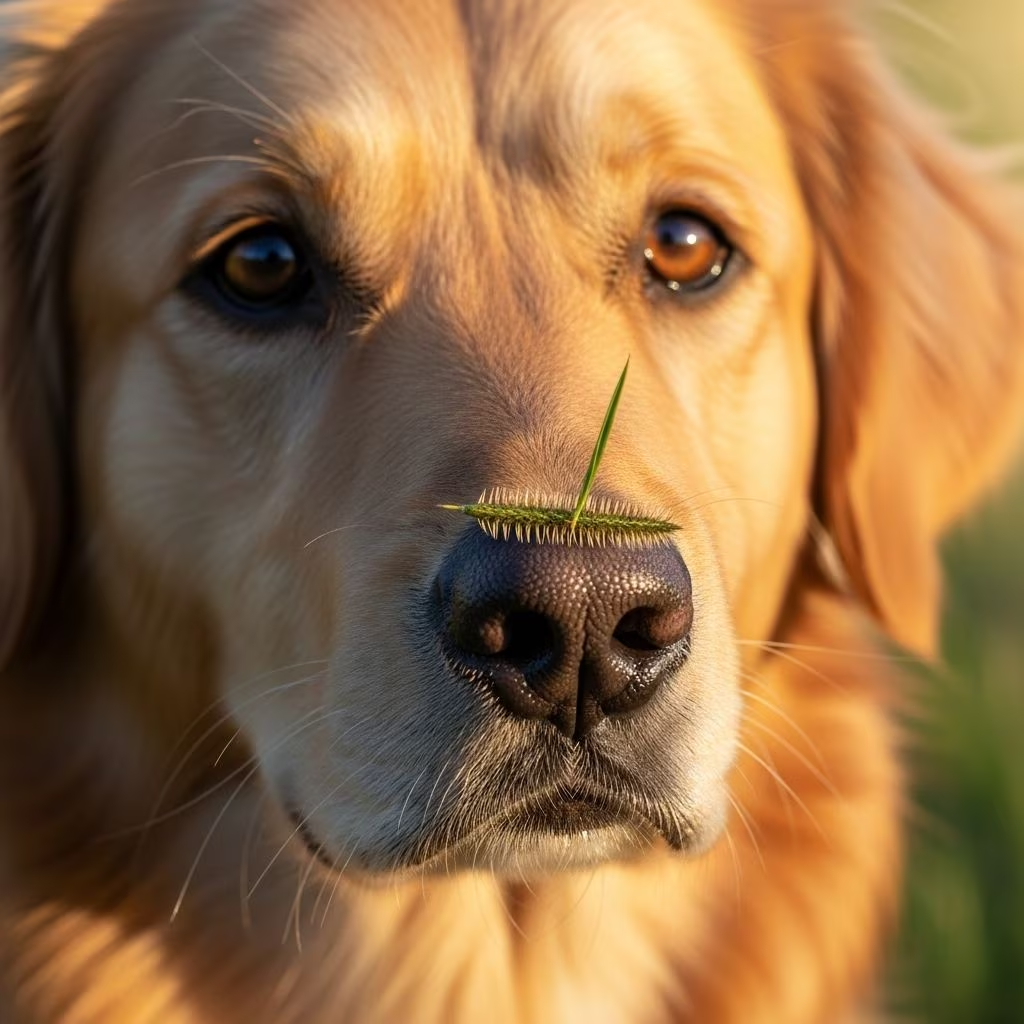
Foxtail grasses represent one of the most insidious environmental threats to dogs, particularly in regions with dry, grassy landscapes. These barbed seed heads can penetrate a dog’s body in multiple ways, leading to infections, abscesses, and potentially life-threatening conditions if not addressed promptly.
Understanding Foxtail Grasses and Their Spread
Foxtail plants, scientifically known as grass awns from species like Hordeum murinum or Setaria spp., resemble a fox’s tail with their bushy, elongated seed clusters. They thrive in warm, arid climates across the western United States and beyond, maturing into rigid, golden-brown structures during late spring through fall. Each plant releases hundreds of seeds equipped with sharp, backward-facing barbs called awns, designed by nature to burrow into soil for propagation.
These awns do not degrade easily and feature a ratchet-like mechanism: the barbs allow forward movement but resist backward travel. When a dog brushes against them during walks, hikes, or play in tall grass, the seeds latch on and migrate inward, carrying bacteria that exacerbate infections. Prevalence peaks in overgrown fields, trails, and unkempt yards, making vigilance essential year-round, especially in summer.
Why Foxtails Penetrate So Easily
The danger stems from the awns’ anatomy. The pointed tip pierces skin or mucous membranes effortlessly, while microscopic barbs prevent dislodging. Moisture from a dog’s body or movement causes the awn to advance deeper, sometimes traveling centimeters per day. Unlike splinters that might work out naturally, foxtails continue migrating, potentially reaching vital organs.
Dogs with floppy ears, thick coats, or those that hunt or run through fields face heightened risks. Short-nosed breeds may inhale them more readily, while paw pads offer another entry point due to their soft webbing.
Common Entry Points and Resulting Injuries
Foxtails target vulnerable areas, causing distinct symptoms:
- Paws: Seeds lodge between toes, leading to limping, swelling, excessive licking, and pus-filled abscesses.
- Ears: Penetration causes intense head shaking, tilting, scratching, and foul discharge.
- Eyes: Irritation results in squinting, tearing, redness, and pawing at the face.
- Nose and Throat: Sneezing, nasal discharge, coughing, or gagging signal inhalation or ingestion.
- Skin and Coat: Fur traps seeds, which burrow into flanks, armpits, or genitals, forming draining tracts.
In severe cases, inhaled awns reach lungs, causing pneumonia, or migrate to the brain via nasal passages, proving fatal without intervention.
Recognizing Symptoms Early
| Body Part | Early Signs | Advanced Symptoms |
|---|---|---|
| Paws | Licking feet, mild limp | Swelling, abscess, refusal to walk |
| Ears | Head shaking, scratching | Head tilt, odor, discharge |
| Eyes | Rubbing face, tearing | Ulcers, cloudiness, vision loss |
| Nose | Sneezing, pawing nose | Bloody discharge, breathing issues |
| Lungs | Coughing | Fever, lethargy, pneumonia |
Monitor for these after grassy outings. Early detection via daily checks can prevent escalation.
Immediate Home Care Steps
If you spot a superficial foxtail, act swiftly but cautiously:
- Restrain your dog gently to avoid bites from pain.
- Use blunt tweezers or a fine comb to extract visible awns from fur, paws, or mouth.
- Flush eyes, nose, or ears with sterile saline; avoid cotton swabs.
- Inspect between toes, under tail, and armpits.
Never probe deep; this pushes awns further. Clean minor wounds with antiseptic and monitor for 24-48 hours.
When to Seek Veterinary Help
Rush to a vet if symptoms persist post-removal, worsen, or include fever, lethargy, or breathing difficulty. Diagnostics may involve X-rays, scopes, or ultrasounds to locate hidden awns. Treatments range from sedation extractions to surgery for deep migrations, antibiotics for infections, and pain relief. Costs can exceed $1,000 for complex cases.
Vets use tools like otoscopes for ears, rhinoscopes for noses, or bronchoscopy for lungs. In grass-awn disease, multiple procedures might be needed as awns track unpredictably.
Proven Prevention Strategies
Proactivity trumps treatment:
- Avoidance: Steer clear of weedy fields; stick to mowed paths during peak season (late spring-fall).
- Grooming: Trim long hair around paws, ears, and tail; use dog boots or gaiters.
- Post-Outing Checks: Comb coat, inspect orifices daily; bathe if exposed.
- Yard Control: Mow lawns short, apply pre-emergent herbicides.
- Protective Gear: Use vests, goggles for high-risk dogs.
Hunting or herding breeds benefit from professional grooming pre-season.
Seasonal and Regional Risks
Foxtails proliferate west of the Mississippi, from California to the Rockies, but appear nationwide in dry areas. Peak danger aligns with dry summers; irrigated lawns harbor them too. Climate change may extend seasons, per veterinary reports.
FAQs
Are foxtails toxic to dogs?
No, but their mechanical injury and bacterial payload cause severe issues.
Can foxtails kill a dog?
Yes, via lung infections or brain penetration, though rare with prompt care.
How do I identify foxtail grass?
Look for 2-5 inch fuzzy, arrow-like seed heads on tall grass stems, green turning tan.
What breeds are most at risk?
Long-coated, floppy-eared, or active field dogs like Labs, Spaniels, and Shepherds.
Is surgery always needed?
Not for surface cases; deep ones often require it.
Long-Term Management for At-Risk Dogs
For repeated exposures, consult vets for custom plans: allergy testing if reactions amplify, or tracking devices for hikes. Annual ear cleanings and paw inspections maintain health. Educate family on risks for multi-dog homes.
Community efforts like trail reporting apps aid avoidance. Train dogs to “leave it” near suspect grass.
References
- Foxtails: Why They’re Dangerous for Dogs — WebMD. 2023-05-15. https://www.webmd.com/pets/dogs/foxtail-grass-and-your-dog
- Foxtails & Dogs: Why They’re Dangerous — American Kennel Club. 2024-06-10. https://www.akc.org/expert-advice/health/foxtails-theyre-dangerous-dogs/
- The Deadly Foxtail: What to Know as a Dog Owner — Whole Dog Journal. 2023-08-20. https://www.whole-dog-journal.com/care/the-deadly-foxtails-and-dogs/
- Foxtails: What They Are and Why They’re Harmful to Dogs — PetMD. 2024-03-12. https://www.petmd.com/dog/general-health/foxtails



