
Fowl Typhoid: Comprehensive Guide For Poultry Producers
Essential guide to understanding, preventing, and managing fowl typhoid in chickens and turkeys for healthier flocks.
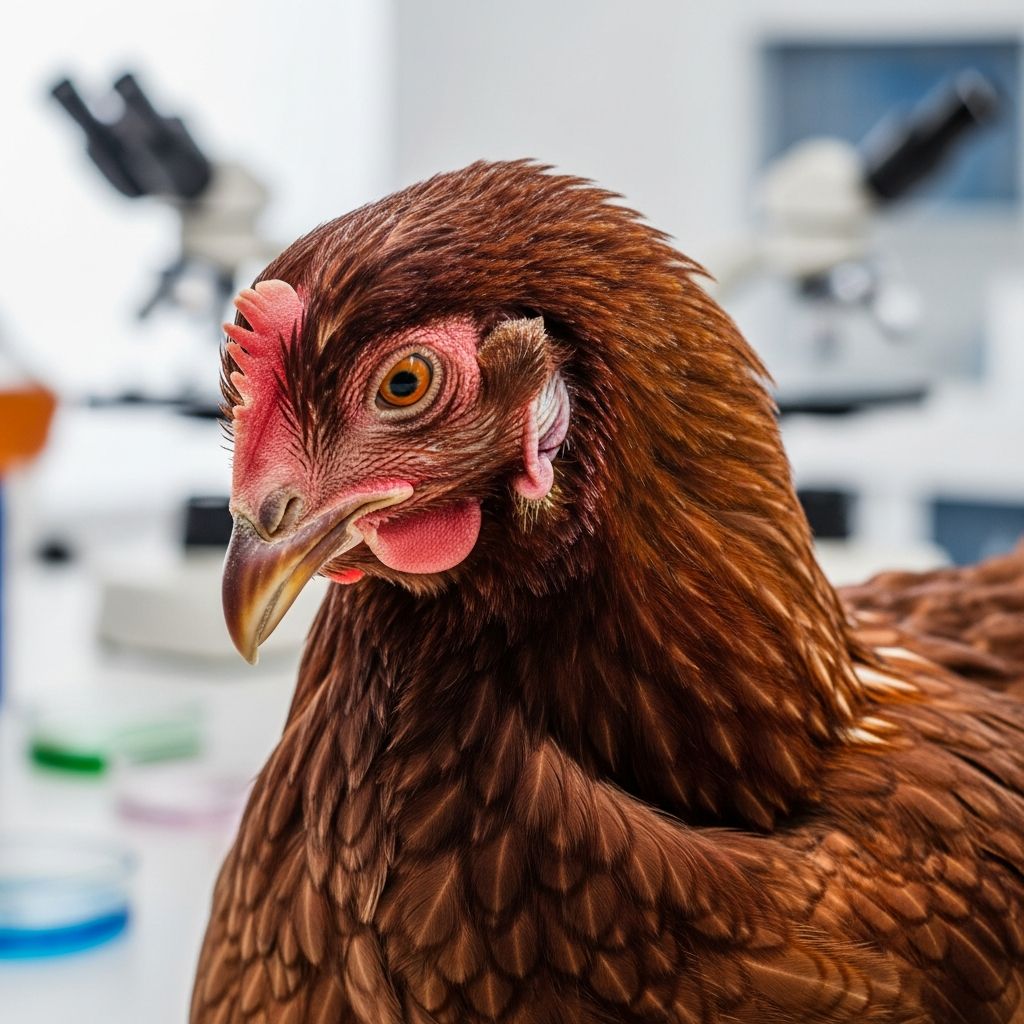
Fowl typhoid represents a significant bacterial infection primarily impacting chickens and turkeys, leading to substantial economic losses in poultry operations globally. Caused by a specific strain of Salmonella, this disease manifests through systemic infection, often resulting in elevated mortality rates, particularly among mature birds and laying flocks.
The Pathogen Behind Fowl Typhoid
At the core of fowl typhoid is Salmonella enterica subspecies enterica serovar Gallinarum biovar Gallinarum, commonly referred to as S. Gallinarum. This Gram-negative bacterium is host-adapted to avian species, exhibiting non-motile characteristics due to the absence of flagella. Unlike other Salmonella serovars, it poses minimal zoonotic risk to humans, focusing its pathogenicity on poultry.
The organism thrives in the avian host, colonizing the spleen, liver, and reproductive organs. Its ability to persist in carrier birds complicates eradication efforts. Prevalence remains higher in developing regions, though sporadic outbreaks occur even in well-regulated areas like the United States and Canada.
Recognizing Clinical Manifestations
Symptoms of fowl typhoid vary by bird age and infection stage. In young chicks and poults, signs emerge rapidly post-hatching, including lethargy, reduced feed intake, dehydration, and chalky white diarrhea. Affected birds often emit distress calls and exhibit stunted growth before succumbing.
Mature birds, especially layers, face acute septicemia with depression, high fever, labored respiration, and watery diarrhea. Egg production plummets, accompanied by poor hatchability and fertility. Mortality can surge to 100% in susceptible flocks, with peak losses in the first two weeks of life or during peak production.
- Common signs in chicks: Anorexia, weakness, shrill chirping, pasty vents.
- Signs in adults: Reduced appetite, ruffled feathers, decreased egg output, sudden deaths.
- Production impacts: Lower hatch rates, anemia in survivors.
Pathways of Disease Transmission
Fowl typhoid spreads through multiple vectors, underscoring the need for stringent biosecurity. Vertical transmission occurs when infected hens pass the bacteria to eggs, leading to embryo mortality or infected chicks at hatch.
Horizontal spread happens via fecal contamination of feed, water, and litter; direct bird-to-bird contact; cannibalism of carcasses; and mechanical vectors like flies, rodents, wild birds, and red mites (Dermanyssus gallinae). Mites can harbor the bacteria for months, perpetuating outbreaks in poultry houses.
In multi-age flocks or hatcheries, mixing certified and non-certified birds accelerates dissemination. Carrier birds, often asymptomatic, shed organisms lifelong, serving as reservoirs.
Diagnostic Approaches for Accurate Identification
Confirming fowl typhoid requires integrating clinical observation, necropsy, and laboratory tests. Post-mortem exams reveal enlarged, friable livers with bronze discoloration; splenomegaly; and petechial hemorrhages on hearts. Lungs may show congestion, and ovaries exhibit cheesy material in layers.
Bacteriological culture from organs, cloacal swabs, or eggs yields the definitive diagnosis. Serological tests detect antibodies, while PCR assays offer rapid molecular confirmation. Differentiate from pullorum disease, caused by the related S. Pullorum, via biochemical profiles.
| Lesion | Description | Common in |
|---|---|---|
| Bronze liver | Swollen, friable with necrotic foci | All ages |
| Spleen enlargement | Dark, mottled appearance | Chicks, adults |
| Ovary infection | Pedunculated yolks, caseous debris | Layers |
| Intestinal ulcers | Visible through serosa | Turkey poults |
Management and Treatment Challenges
Treatment proves largely ineffective due to carrier states in survivors. Antibiotics may reduce mortality temporarily but fail to eliminate the pathogen, risking resistance development. Depopulation of infected flocks remains the recommended approach in commercial settings.
Supportive care includes electrolytes for dehydration and improved ventilation, but these do not address the root cause. In breeding operations, test-and-remove strategies target carriers.
Prevention Strategies: Building Resilient Flocks
Proactive measures form the cornerstone of fowl typhoid control. Source birds and hatching eggs from National Poultry Improvement Plan (NPIP)-certified hatcheries, ensuring freedom from Salmonella.
Implement robust biosecurity: all-in-all-out production, footbaths, rodent control, fly management, and mite eradication. Avoid mixing flocks and quarantine new introductions. Vaccination with live or inactivated vaccines protects high-risk groups, particularly layers.
Breeder flock monitoring via serology and culture prevents vertical spread. Nutritional optimization and stress reduction enhance resistance, as lighter breeds like Leghorns show better tolerance than heavy layers.
Economic and Global Impact
Fowl typhoid inflicts heavy tolls through mortality, culling, and production losses. Outbreaks in laying flocks devastate egg output, while in breeders, they compromise genetic stock. Global distribution favors resource-limited areas, but trade and wild bird migration pose risks everywhere.
Eradication programs like NPIP have curtailed incidence in North America, yet vigilance is essential against reintroduction.
Distinguishing from Related Conditions
Fowl typhoid shares features with pullorum disease but targets older birds more severely. Pullorum peaks in chicks under 3 weeks, while fowl typhoid escalates in growers and adults. Both stem from Salmonella Gallinarum biovars, but management overlaps in testing and biosecurity.
Rule out colibacillosis, avian influenza, or Newcastle disease via lab confirmation, as symptoms overlap.
Future Directions in Control
Ongoing research explores multivalent vaccines and competitive exclusion probiotics to outcompete Salmonella. Genomic sequencing tracks strains for targeted interventions. Enhanced biosecurity tech, like automated monitoring, promises further reductions.
Frequently Asked Questions (FAQs)
What causes fowl typhoid?
It is caused by Salmonella Gallinarum, a poultry-specific bacterium leading to septicemia.
Can fowl typhoid spread to humans?
Minimal zoonotic risk exists, as the strain is host-adapted to birds.
How do I prevent it in my flock?
Use NPIP-certified stock, vaccinate, and enforce strict biosecurity.
Is treatment possible?
Limited; depopulation is often advised for infected flocks.
Which birds are most affected?
Mature layers and growing birds face highest mortality.
References
- Fowl typhoid – WOAH — World Organisation for Animal Health. 2023. https://www.woah.org/en/disease/fowl-typhoid/
- Fowl Typhoid in Poultry — Poultry Extension, University of Kentucky. 2022-10-15. https://poultry.extension.org/articles/poultry-health/common-poultry-diseases/fowl-typhoid-in-poultry/
- Pullorum Disease & Fowl Typhoid Factsheet — Texas Animal Health Commission. 2021. https://www.tahc.texas.gov/news/brochures/TAHCFactsheet_PT.pdf
- Fowl Typhoid and Pullorum Disease — Center for Food Security and Public Health, Iowa State University. 2019-05-01. https://www.cfsph.iastate.edu/Factsheets/pdfs/fowl_typhoid.pdf
- Pullorum-Typhoid — North Dakota Department of Agriculture. 2024. https://www.ndda.nd.gov/divisions/animal-health/diseases/pullorum-typhoid
Similar Articles








Read full bio of medha deb


