
Fowl Cholera: 5 Key Signs, Diagnosis, And Control
Comprehensive guide to understanding, preventing, and managing fowl cholera in chickens, turkeys, and waterfowl for optimal flock health.
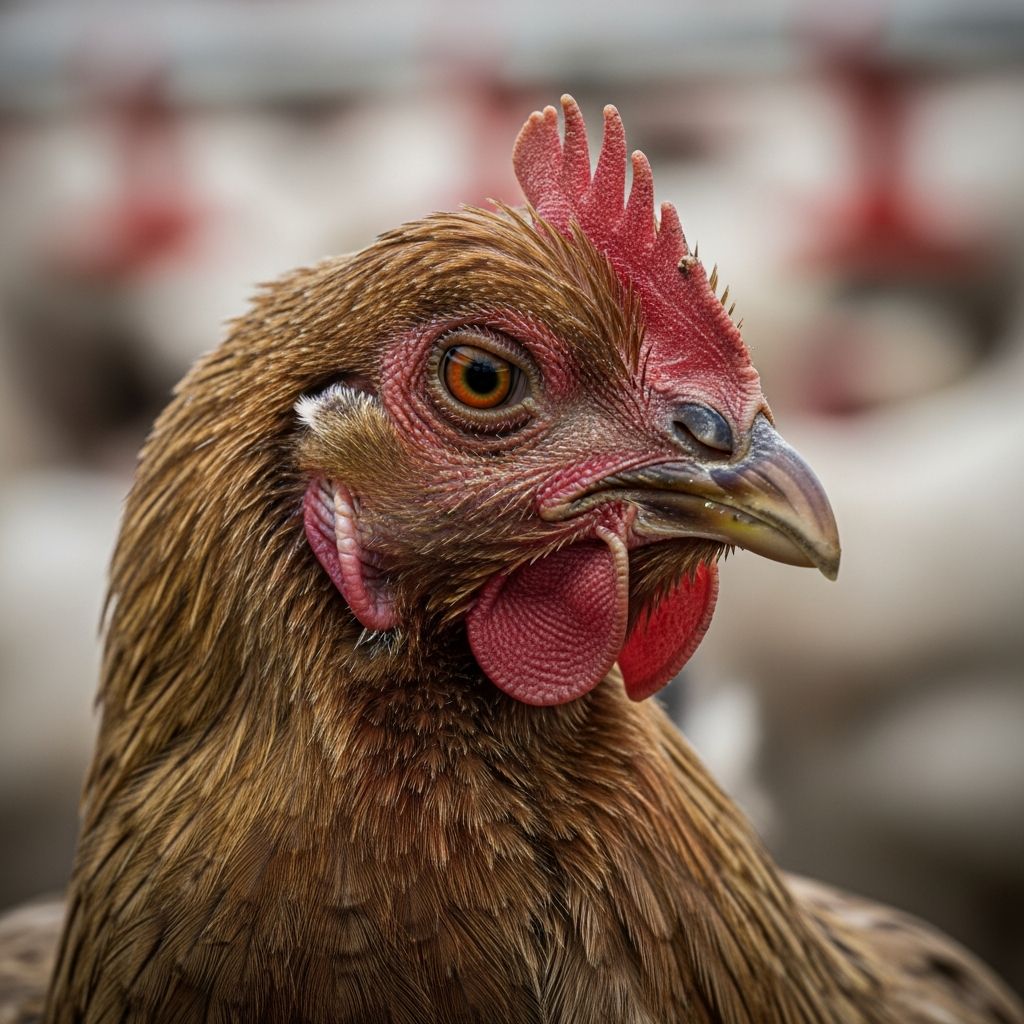
Fowl cholera, also known as avian pasteurellosis, represents one of the most significant bacterial infections impacting poultry production globally. Caused by the Gram-negative bacterium Pasteurella multocida, this disease leads to substantial economic losses through high mortality, reduced productivity, and treatment costs in chickens, turkeys, ducks, and other birds.
The Pathogen Behind the Disease
Pasteurella multocida is a versatile bacterium capable of infecting a wide range of avian species. It exists in various serotypes, with capsular types A and F being predominant in poultry outbreaks, responsible for up to 80% of fatalities in affected flocks. These strains thrive in moist environments, surviving for months in water, soil, and even on insects, which facilitates their persistence outside hosts.
The bacterium’s ability to colonize carrier birds asymptomatically allows it to trigger recurrent epidemics. Stress factors like overcrowding, cold damp weather, and poor nutrition lower bird immunity, enabling rapid spread. In wild birds and waterfowl, outbreaks often peak during winter, exacerbated by contaminated water sources and scavenging behaviors.
Forms of the Disease: Acute vs. Chronic
Fowl cholera manifests in two primary forms: acute septicemic and chronic localized. The acute form strikes suddenly, often presenting as unexpected deaths without prior warning signs. Birds exhibit fever, depression, ruffled feathers, and cyanosis—a bluish tint on combs and wattles—followed by labored breathing and mucoid diarrhea. Mortality can reach 50-60% in untreated flocks, particularly in mature birds over 16 weeks old.
In contrast, the chronic form develops post-acute infection or independently, targeting specific tissues. Respiratory issues like rales, coughing, and nasal discharge predominate, alongside swellings in wattles, joints, and footpads filled with fibrinous material. Weight loss, lameness, and emaciation are common, with survivors becoming carriers that shed the pathogen via oral secretions, contaminating feed and water.
Transmission Pathways in Flocks
Direct bird-to-bird contact drives initial outbreaks, but indirect routes amplify spread. Infected carcasses, aerosols from wing-flapping in contaminated ponds, and mechanical vectors like rodents, insects, and wild birds play key roles. Cannibalism and poor sanitation in overcrowded houses accelerate transmission. Chronic carriers, including recovered birds and mammals like swine, introduce the bacterium into clean flocks.
Environmental persistence is notable; P. multocida endures in wet conditions, resisting some disinfectants but succumbing to sunlight, heat, and drying. In regions like Ethiopia and Bangladesh, poor management and limited veterinary infrastructure heighten risks, with prevalence rates exceeding 38% in laying hens.
Recognizing Clinical Signs Early
- Sudden mortality: First indicator in acute cases, especially in layers and breeders.
- Respiratory distress: Sneezing, nasal discharge, and open-mouth breathing.
- Digestive issues: Watery green diarrhea progressing to blood-tinged droppings.
- Neurological signs: Tremors, incoordination, and convulsions near death.
- Localized swellings: Edematous wattles, swollen joints, and conjunctivitis in chronic infections.
Turkeys often suffer most severely, showing drops in egg production and smaller eggs alongside these symptoms. Prompt observation aids in containing outbreaks before they devastate entire operations.
Post-Mortem Findings and Lesions
Necropsy reveals characteristic changes confirming suspicion. Acute cases display petechial hemorrhages on heart epicardium, liver necrosis, and lung consolidation. Splenomegaly and serosal hemorrhages in the intestine and gizzard are frequent. Chronic lesions include suppurative pneumonia, fibrinous airsacculitis, and caseous material in swollen tissues.
Microscopic smears from liver, spleen, or blood show bipolar-staining bacilli, a hallmark of P. multocida. These findings, combined with history, guide veterinarians toward definitive diagnosis.
| Form | Key Lesions | Affected Organs |
|---|---|---|
| Acute | Petechial hemorrhages, congestion | Heart, liver, lungs, spleen |
| Chronic | Suppurative exudate, necrosis | Wattles, joints, respiratory tract |
Diagnostic Approaches for Confirmation
Diagnosis integrates clinical history, signs, and lab tests. Physical exams note fever and cyanosis, while bacteriological culture from swabs or tissues identifies the pathogen. PCR assays detect serotypes rapidly, crucial in endemic areas like Africa. Serology tracks exposure in flocks, though cross-reactions limit specificity.
In resource-poor settings, such as Ethiopian farms, physical exams and basic microscopy suffice initially, underscoring needs for improved infrastructure.
Treatment Options and Challenges
Antibiotics like sulfonamides, tetracyclines, and fluoroquinolones control acute outbreaks if administered early via water or feed. However, carrier states persist post-treatment, risking relapse. Resistance emergence necessitates sensitivity testing. Supportive care—hydration, warmth, and isolation—bolsters recovery in mild cases.
Treatment alone proves insufficient without biosecurity; chronic birds require culling to break transmission cycles.
Prevention and Control Strategies
Vaccination forms the cornerstone, with bacterins offering 70-90% protection against homologous strains. In Ethiopia, local vaccine trials show promise amid high endemicity. Biosecurity measures are vital:
- All-in-all-out production with thorough disinfection.
- Rodent and insect control.
- Avoiding wild bird access to poultry areas.
- Stress minimization through optimal stocking and ventilation.
Depopulation of infected flocks prevents carrier issues, especially in multi-age operations. Surveillance in waterfowl hotspots curbs wildlife reservoirs.
Global Prevalence and Economic Impact
Fowl cholera burdens poultry industries worldwide, from U.S. wild bird die-offs to Asian commercial farms. In Ethiopia, it rivals Newcastle disease, causing 52% morbidity and 56% mortality in chicks. Bangladesh reports 38.6% prevalence in layers. Losses stem from deaths, condemnations, and medication, amplified by poor genetics and management in developing regions.
Management in Backyard and Commercial Settings
Backyard flocks face higher risks from wild reservoirs; biosecurity like footbaths and quarantine is essential. Commercial operations benefit from vaccination programs and automated cleaning. Integrated approaches, blending vaccines, hygiene, and monitoring, minimize impacts.
Frequently Asked Questions (FAQs)
What causes fowl cholera in birds?
It is caused by Pasteurella multocida, a bacterium spread through contact and contaminated environments.
Can fowl cholera affect humans?
No, it is avian-specific, though rare zoonotic transmission occurs via bites from infected animals.
How do you vaccinate against fowl cholera?
Use oil-emulsion bacterins, administered subcutaneously or intramuscularly, with boosters for enduring immunity.
Is fowl cholera treatable in turkeys?
Yes, but turkeys are highly susceptible; early antibiotics and isolation improve outcomes.
How long does the bacterium survive outside the host?
Weeks to months in moist conditions, but dies quickly in dry, sunny exposures.
Future Directions in Research and Control
Ongoing studies focus on multivalent vaccines covering diverse serotypes and rapid diagnostics for field use. Genomic sequencing tracks strain evolution, informing targeted interventions. In endemic zones, education on biosecurity remains pivotal to sustainable poultry health.
References
- Fowl Cholera in Chickens: Current Trends in Diagnosis and … — PMC. 2024. https://pmc.ncbi.nlm.nih.gov/articles/PMC11637625/
- Fowl Cholera – State of Michigan — Michigan Department of Natural Resources. 2023-10-15. https://www.michigan.gov/dnr/managing-resources/wildlife/wildlife-disease/wdm/fowl-cholera
- FOWL CHOLERA – Diseases of Poultry — The Poultry Site. 2022. https://www.thepoultrysite.com/publications/diseases-of-poultry/181/fowl-cholera
- Chapter 3.3.9. Fowl Cholera — World Organisation for Animal Health (WOAH). 2023. https://www.woah.org/fileadmin/Home/fr/Health_standards/tahm/3.03.09_FOWL_CHOLERA.pdf
- Avian Cholera: causes, symptoms, treatment, and prevention — AviNews. 2024-01-20. https://avinews.com/en/avian-cholera-causes-symptoms-treatment-and-prevention/
Similar Articles








Read full bio of medha deb


