

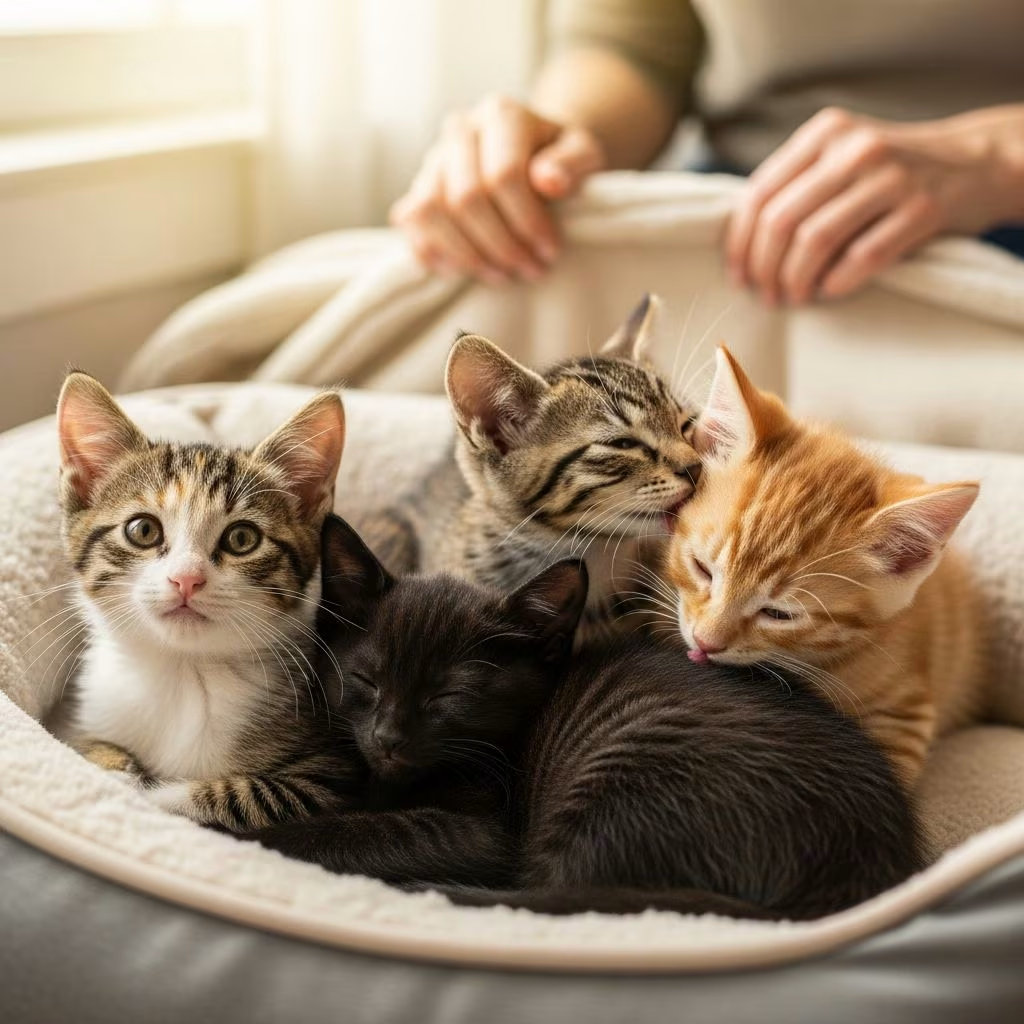
Four Kittens Survive Severe Contagious Illness Thanks to Incredible First-Time Foster
When shelter kittens face contagious illnesses, their survival often depends on receiving specialized care in a supportive environment. This is the remarkable story of four kittens who battled a serious contagious condition and emerged healthy, thanks to the unwavering commitment of a first-time foster parent. Their journey demonstrates the critical importance of foster care programs in saving vulnerable young lives and giving them a second chance at happiness.
Understanding the Challenge: Why Foster Care Matters for Sick Kittens
Kittens are among the most at-risk pets in shelters because they require intensive around-the-clock care that many shelters struggle to provide. When kittens arrive at shelters with contagious illnesses or incubate diseases after arrival, their survival rates drop significantly without proper foster care. Shelter environments, while necessary, create stress that can worsen illness and slow recovery in vulnerable animals.
Foster programs address this critical gap by placing sick and at-risk kittens in home environments where they receive personalized attention, reduced stress, and the close monitoring necessary for recovery. The difference between shelter care and foster care can literally mean the difference between life and death for medically fragile kittens.
The Journey Begins: Four Kittens in Need
The four kittens in this story arrived at the shelter showing signs of illness. One of the most common and serious conditions affecting shelter kittens is upper respiratory infection (URI), a highly contagious disease that spreads rapidly in group housing situations. The kittens were identified as needing foster care to recover properly and prevent the spread of illness to other shelter animals.
Each kitten faced an uncertain future in the shelter environment. However, their fate changed when a compassionate first-time foster parent stepped forward. This individual had never fostered before but possessed the determination and heart necessary to care for medically compromised animals.
Understanding Contagious Feline Illnesses in Shelter Settings
The most common infectious diseases affecting shelter kittens include upper respiratory infections, panleukopenia, diarrhea, and fading kitten syndrome. These conditions spread rapidly in shelter environments due to close proximity, shared resources, and the stress of confinement.
Upper Respiratory Infection (URI)
URI represents one of the most significant health challenges in shelters. The pathogens causing this condition can be carried by healthy-appearing cats, making it particularly difficult to prevent in group settings. Stress significantly increases the likelihood of illness manifestation, making shelters particularly vulnerable to URI outbreaks.
Prevention Through Stress Reduction
The most effective prevention strategy is reducing stress and length of stay in shelters. Getting cats out of shelters and into foster or adoptive homes significantly improves outcomes. This is why foster programs focus on removing young kittens from shelter environments quickly, allowing them to recover in calmer, more supportive settings.
The First-Time Foster Parent’s Preparation
Before taking on the responsibility of fostering medically compromised kittens, this individual prepared carefully for the challenge. Best Friends Animal Society provides comprehensive training and support for foster parents caring for sick animals, ensuring they understand disease transmission, medication administration, and emergency protocols.
Essential Preparation Steps
Foster parents caring for contagious kittens must:
- Ensure their personal pets are up-to-date on all vaccinations
- Verify their personal pets are in good health and not currently ill
- Prepare an isolated space specifically for foster kittens
- Gather necessary supplies including food bowls, litter pans, bedding, and toys
- Learn proper medication administration techniques
- Understand emergency protocols and when to contact veterinary support
This first-time foster parent completed all necessary preparations and underwent training on recognizing symptoms, administering medications, and maintaining strict hygiene practices to prevent disease spread.
Isolation Protocol: Protecting Everyone
One of the most critical aspects of fostering contagious kittens is maintaining proper isolation. Foster parents must keep sick kittens completely separated from their personal pets for at least two weeks after arrival, as most common infectious diseases have incubation periods ranging from three to fourteen days.
This foster parent dedicated an entire room in their home as a quarantine space for the four kittens. The room contained all necessary supplies—food and water bowls, litter pans, comfortable bedding, and toys—to prevent any contact between the foster kittens and personal pets. This isolation protocol protected both the foster kittens and the foster parent’s own animals from infection.
Daily Care and Medical Management
Feeding and Nutrition
Kittens recovering from contagious illnesses require consistent, high-quality nutrition to support their immune systems. This foster parent maintained a strict feeding schedule, ensuring each kitten received appropriate food portions multiple times daily. Proper nutrition proved essential to the kittens’ recovery and strength restoration.
Medication Administration
Most foster kittens require medication during their recovery period, and Best Friends provides training on proper administration techniques before foster parents take animals home. This foster parent administered prescribed medications on schedule, carefully monitoring the kittens’ responses and reporting any concerns to their foster coordinator.
Monitoring Symptoms
Foster parents must remain vigilant for signs of infection or complications. Important warning signs include colored nasal discharge (indicating possible bacterial infection), open-mouth breathing or wheezing, lethargy, loss of appetite, vomiting, and diarrhea. This dedicated foster parent monitored each kitten closely, documenting their progress and immediately reporting any concerning symptoms.
Vaccination Schedule and Veterinary Care
Foster kittens follow vaccination schedules beginning at four weeks of age, with vaccines administered every two to three weeks until reaching sixteen to twenty weeks of age, with at least two vaccines administered at sixteen weeks or later.
This foster parent ensured the four kittens maintained their vaccination schedule, coordinating appointments with Best Friends’ foster coordinator and providing necessary transportation to veterinary appointments. Regular veterinary oversight helped confirm the kittens’ recovery progress and ensured they met all health requirements before returning to the shelter.
The Power of Foster Care in Recovery
Research demonstrates that cats recover from illness significantly faster in foster homes compared to shelters. The stress-free environment, individual attention, and comfortable surroundings all contribute to faster healing and better overall outcomes. These four kittens benefited tremendously from the calm, supportive foster home environment.
The foster parent’s commitment went beyond basic care requirements. Daily play sessions, gentle handling, and socialization helped the kittens not only recover physically but also develop trust and confidence. This early positive interaction with humans helped ensure the kittens would be well-socialized and adoptable upon recovery.
Success: Four Healthy Kittens Ready for Adoption
Through dedicated foster care, the four kittens made remarkable progress. Their symptoms resolved, their energy levels increased, and they began showing the playful behavior typical of healthy young cats. Once reaching appropriate weight and age requirements (typically two pounds), the kittens returned to Best Friends for spaying or neutering before being placed in permanent adoptive homes.
This success story represents the impact of foster care programs. Without this first-time foster parent’s willingness to open their home, these four kittens might not have survived. Instead, they recovered fully and found families who would love them.
The Impact of First-Time Foster Parents
This foster parent’s experience demonstrates that first-time foster parents can successfully care for medically complex animals when provided with proper training and support. Their willingness to step outside their comfort zone saved four lives. Many potential foster parents hesitate to care for sick animals, believing it requires extensive experience. This story proves otherwise—compassion, dedication, and willingness to learn create the foundation for successful foster care of even seriously ill animals.
Why This Story Matters for Animal Welfare
Foster programs serve a critical lifesaving function in the animal welfare system. By placing at-risk and medically complex kittens in foster homes, organizations like Best Friends Animal Society decrease the number of cats and kittens killed in shelters each year while providing foster animals with optimal conditions for recovery and socialization.
Each foster home frees up shelter space and resources for other animals, creating a multiplier effect throughout the animal rescue system. One foster parent’s four kittens means four additional shelter animals can receive care and attention.
Becoming a Foster Parent for Contagious Kittens
If this story inspires you to consider fostering, know that organizations provide comprehensive support for foster parents caring for sick animals. Training covers disease transmission prevention, medication administration, symptom recognition, and emergency protocols. Supplies are typically provided by the organization, and foster coordinators remain available to answer questions and provide guidance throughout the fostering period.
Frequently Asked Questions
Q: Do I need prior experience to foster medically complex kittens?
A: No. This story demonstrates that first-time foster parents can successfully care for sick kittens when provided with proper training and organizational support. Your willingness to learn and commitment matter more than prior experience.
Q: How long does fostering typically last?
A: Foster periods vary based on the kitten’s age, health status, and recovery timeline. Most foster periods last several weeks until kittens reach appropriate weight and health status for spaying/neutering and adoption.
Q: What if my personal pets get sick from the foster kittens?
A: Proper isolation protocols significantly reduce this risk. By maintaining two-week separation and ensuring your personal pets are vaccinated, you minimize transmission risk. However, foster organizations cannot provide medical care for personal pets, making vaccination and health screening critical.
Q: Can I adopt my foster kittens?
A: Yes. If you wish to adopt a foster kitten, you complete a standard adoption application and follow the regular adoption process. Your foster experience with the animal may strengthen your application.
Q: What supplies do I need to provide?
A: Foster organizations typically provide food, medications, and basic supplies. Foster parents generally provide housing space, heating, handling, and transportation to veterinary appointments.
Conclusion
The story of four kittens surviving a severe contagious illness through the dedication of a first-time foster parent illustrates the transformative power of foster care. These kittens faced uncertain futures in a shelter environment but found recovery, health, and hope in a loving foster home. Their success inspires others to consider fostering and demonstrates that ordinary people can achieve extraordinary lifesaving results through compassion and commitment. If you have space in your home and heart, fostering might be your path to saving lives.
References
- Kitten Foster Manual — Best Friends Animal Society. 2024. https://bestfriends.org/pet-care-resources/kitten-foster-manual
- Medical Care for Kittens Playbook — Best Friends Animal Society. 2024. https://bestfriends.org/network/resources-tools/medical-care-kittens-playbook
- Keeping Your Pets Safe When You Foster — Best Friends Animal Society. 2024. https://bestfriends.org/pet-care-resources/keeping-your-pets-safe-when-you-foster
- How to Foster Contagious Cats — Best Friends Animal Society. 2024. https://bestfriends.org/pet-care-resources/how-foster-contagious-cats
- Foster Programs Training Playbook — Best Friends Animal Society. 2024. https://bestfriends.org/network/resources-tools/foster-programs-training-playbook



