

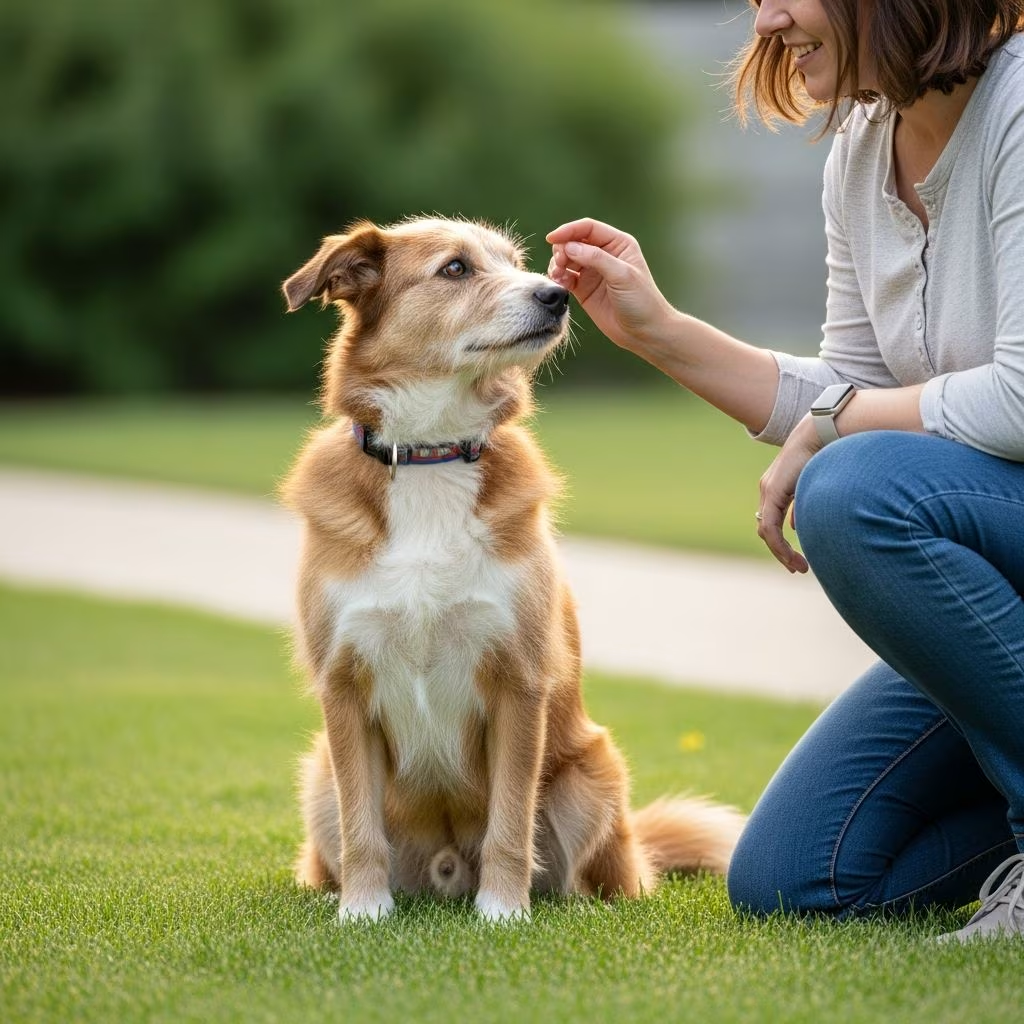
Encountering a stray dog presents an opportunity to make a meaningful difference in its life. By following structured steps, you can help return the animal to its owner or guide it toward a safe future. This process emphasizes safety for both you and the dog, effective communication with local resources, and thorough documentation to facilitate reunions.
Assessing the Situation Safely
The first priority is ensuring everyone’s safety. Approach the dog calmly from a distance, avoiding direct eye contact which can seem threatening. Observe its body language: tucked tail, flattened ears, or growling indicate fear or aggression. Do not corner the animal or make sudden movements.
- Use a gentle voice to speak reassuringly.
- Offer water or non-perishable food if the dog appears receptive, but avoid feeding if injured.
- Note physical details: breed approximation, size, color patterns, collar presence, and any tags.
Take clear photos from multiple angles, including close-ups of any markings or accessories. These visuals are crucial for identification and sharing with potential owners or authorities.
Checking for Identification
Many lost dogs carry identification that speeds up reunions. Carefully examine any collar for tags displaying a phone number, name, or address. If a microchip is suspected—common in pet dogs—do not attempt to scan yourself unless equipped; transport to a professional.
| Identification Type | Action | Success Rate Insight |
|---|---|---|
| Visible Tags | Call number immediately | Quickest reunion method |
| Microchip | Take to vet/shelter for scan | 70% return rate with registration |
| No ID | Proceed to reporting | Requires community alerts |
Contact the listed number discreetly, providing photos and location without revealing your address initially for privacy.
Notifying Local Authorities and Networks
Report the found dog promptly to prevent it being classified as a stray subject to impound timelines. Contact animal control, local shelters, and humane societies in your area. Provide detailed descriptions, photos, and the exact find location with GPS coordinates if possible.
- Visit shelters in person daily, as intake records update frequently.
- Share information with nearby veterinary clinics; they often scan incoming strays.
- Use apps like Ring Neighbors or Nextdoor to post sightings anonymously.
Expand notifications to regional rescues and post on platforms such as Petfinder or local lost pet Facebook groups. Include breed, age estimate, sex, and unique features in postings.
Providing Temporary Care
If the dog cannot be immediately reunited or transferred, offer humane short-term housing. Secure it in a quiet, fenced yard or indoor space away from other pets and children. Provide fresh water, a comfortable bed, and small meals of plain rice and boiled chicken if unknown dietary history.
Monitor for health issues like limping, heavy panting, or parasites. Avoid baths or medications without veterinary advice. Walk the dog on a leash only in controlled areas to prevent escape.
Sample Daily Routine for Temporary Holding
- Morning: Check food/water, quick health scan.
- Midday: Short leashed walk if calm.
- Evening: Update postings, shelter calls.
- Night: Secure in quiet area.
Creating and Distributing Alerts
Visibility drives reunions. Design simple flyers with large photos, bold ‘FOUND DOG’ headlines, your contact info (use a secondary number if preferred), and find details. Post in high-traffic spots: vet offices, grocery stores, parks, and utility poles within a 2-3 mile radius.
- Opt for weatherproof lamination.
- Create online versions for Craigslist, Facebook Marketplace lost/found sections.
- Neon-colored posters increase noticeability by 30-50% in studies.
Encourage community shares; word-of-mouth accounts for many recoveries.
Handling Owner Inquiries
When responses come in, verify claimants systematically. Ask specific questions only the owner would know: recent vet visits, favorite toys, or unique habits. Request proof like microchip details or photos predating the loss.
Arrange neutral meetups, such as a park, with a friend present. Once confirmed, complete a simple handover form noting date, time, and both parties’ contacts for records.
Legal and Holding Period Considerations
Laws vary by jurisdiction, but most areas mandate a holding period (typically 3-7 days) before adoption or euthanasia for unclaimed strays. By reporting immediately, you comply and aid legal reunions. Document all actions with timestamps and photos to protect against disputes.
If no owner claims within the period, discuss options with shelters: fostering, adoption events, or transfer to rescues specializing in the breed.
Health and Veterinary Support
Prioritize professional evaluation. Local humane societies often provide free or low-cost scans and wellness checks. Watch for dehydration signs (sunken eyes, dry gums) or injuries requiring urgent care like 24-hour clinics.
- Parvo, heartworm prevalent in strays—vaccinate promptly if adopting.
- Spay/neuter discussions post-reunion or adoption.
Preventing Future Losses and Community Prep
Once resolved, advocate for prevention: recommend microchipping, ID tags, and secure fencing to owners. Build a neighborhood lost pet network via apps or group chats for faster responses.
Personal Found Pet Response Kit
- Leash and collar spares.
- First-aid basics (gauze, antiseptic).
- Disposable camera or phone charger.
- Flyer templates printed.
- Local resource list laminated.
Common Challenges and Solutions
Fearful dogs may bolt during approaches—use food lures or familiar scents instead of chasing. Multiple claimant disputes resolve via shelter mediation. Overwhelmed by calls? Set inquiry hours and use a dedicated voicemail.
FAQs
What if the dog seems aggressive?
Do not approach; call animal control immediately for professional handling.
How long should I hold the dog before shelter surrender?
At least 24-48 hours post-reporting, balancing welfare and legal holds.
Can I keep the dog if no owner appears?
Follow local laws; typically requires hold period expiration and shelter clearance.
Is rewarding the dog with treats safe?
Use plain options; consult vet for allergies or dietary restrictions.
What about posting photos online?
Yes, but blur background details revealing your location.
Helping a stray dog not only aids one animal but strengthens community bonds around pet welfare. Persistence and organization turn chance encounters into heartwarming reunions.
References
- Lost Pet Recovery Guide — Joyful Pets. 2023. https://www.joyfulpets.com/lost-pet-recovery-guide/
- Lost Dog Recovery Guide — Pet Search & Rescue (Annalisa Berns). 2022. https://lostpetresearch.com/product/lost-dog-recovery-guide/
- How Long Do Dogs Go Missing? Recovery Stats, Timelines & Tips — PetPlace. 2024-02-15. https://www.petplace.com/article/dogs/pet-care/how-long-do-dogs-go-missing
- Lost Dog Recovery Guide — Help Find Lost Pets (AnnaLisa Berns). 2023. https://helpfindlostpets.com/lost-dog-recovery-guide/
- Get Help Finding Your Lost Pet — Pet Search & Rescue. 2024. https://www.petsearchandrescue.com/get-help



