
Found a Stray Dog? Steps to Help Safely
Discover responsible ways to assist a lost or stray dog, from initial contact to reuniting with its owner while prioritizing safety for all involved.
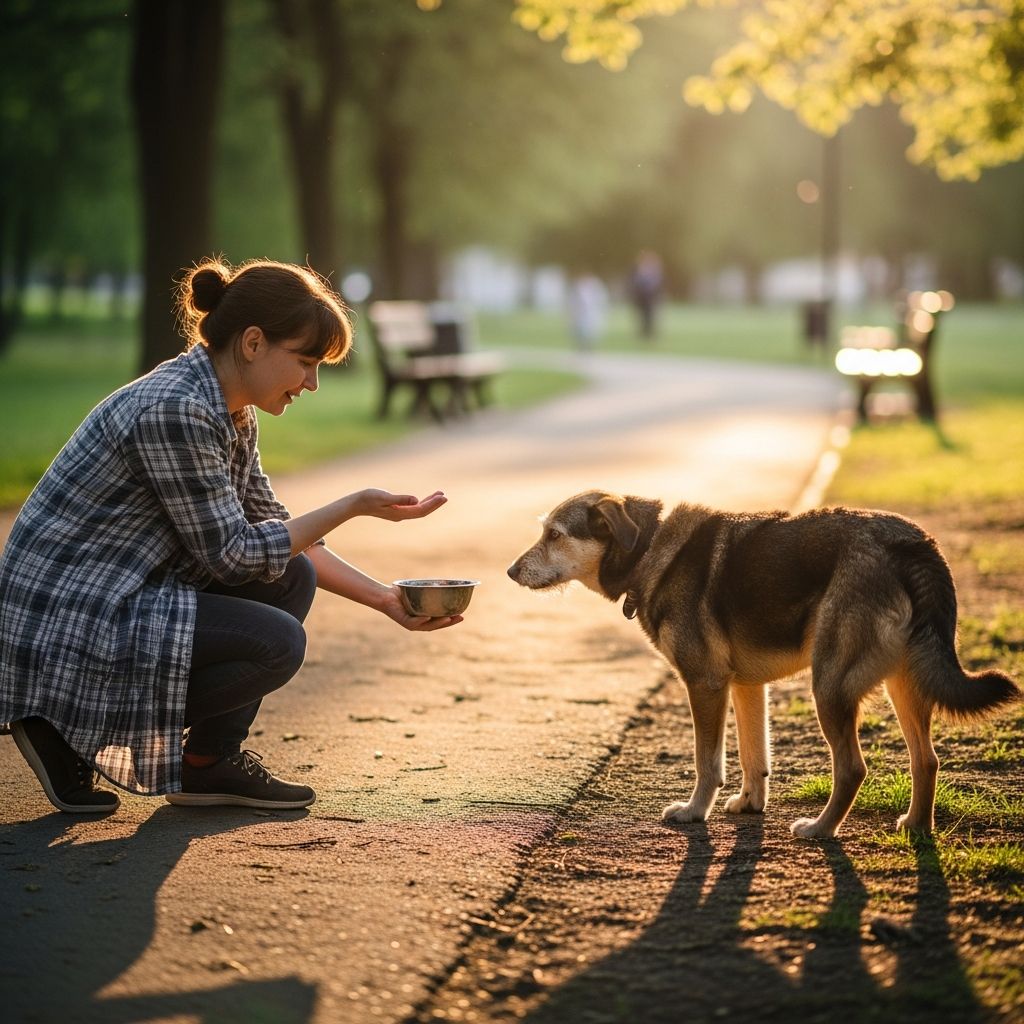
Encountering a stray dog can be a heartwarming yet challenging moment. Acting thoughtfully ensures the dog’s well-being, your safety, and the best chance of reuniting it with its owner. This guide outlines a structured approach based on expert recommendations from pet recovery organizations.
Assessing the Situation Before Approaching
The first priority is safety for both you and the dog. Observe from a distance to gauge the dog’s behavior. Is it friendly, fearful, aggressive, or injured? Lost dogs often enter a panic phase in the initial 24 hours, running on adrenaline and covering ground quickly, which can make them skittish.
- Check for hazards: Look for traffic, other animals, or environmental dangers like extreme weather.
- Evaluate health: Note signs of injury, dehydration, or exhaustion, such as limping, heavy panting, or embedded collars.
- Scan for identification: Many dogs wear tags, microchips, or GPS trackers. Avoid rushing in if the dog seems defensive.
If the dog appears dangerous, contact local animal control immediately rather than intervening personally.
Safe Methods to Approach and Secure the Dog
Once safe, use calm techniques to gain trust. Sit or crouch low to appear non-threatening, avoiding direct eye contact which can intimidate.
| Approach Technique | Purpose | Tips |
|---|---|---|
| Use food lures | Builds positive association | Offer high-value treats like chicken; toss gently from a distance |
| Speak softly | Reduces fear | Use a happy, low tone; say “good dog” repeatedly |
| Employ a slip lead | Secures without choking | Loop over head carefully if dog allows; have ready in advance |
Do not chase, as this triggers flight instincts. If the dog won’t approach, set up a humane trap baited with food near its location, borrowing from shelters if needed.
Providing Immediate Care and Shelter
With the dog secured, move to a quiet, secure area like your yard or garage. Offer fresh water and small amounts of bland food to avoid stomach upset.
- Health inspection: Check paws for cuts, look for parasites, and assess hydration by pinching skin on the neck—it should snap back quickly.
- Comfort setup: Provide bedding with familiar scents if possible, and keep in a warm, draft-free space.
- Quarantine: Isolate from your pets to prevent disease spread.
Schedule a vet visit promptly for a full check, microchip scan, and vaccinations. Vets often help identify owners via databases.
Searching for the Owner Effectively
Most lost dogs are found within one mile of where they escaped, so focus searches locally. Act fast—the first 24 hours are critical.
Notification Strategies
- Contact agencies: Call animal control, shelters, vets, and microchip registries. Provide detailed descriptions and photos.
- Leverage social media: Post on local lost pet Facebook groups, Nextdoor, and sites like PetFBI.org with clear photos from multiple angles.
- Distribute flyers: Create bold posters with the dog’s photo, your contact info, and last-seen location. Post at high-traffic spots and slip into protectors for weather resistance.
Advanced Search Tactics
Map sightings using Google tools to identify patterns, like paths along trails or water sources. Set up a scent trail with your unwashed clothing leading from the find spot to your home, but limit to 1-2 sites. A single feeding station with a trail camera at the discovery area can capture nocturnal activity without scattering the dog further.
Legal Considerations When Caring for Found Dogs
Understand local stray animal laws, which vary by area. Many places require reporting found pets to authorities within 24-72 hours to avoid claims of theft. Document everything: time, location, photos, and contacts made. This protects you legally and aids recovery.
- Hold period: Shelters typically hold strays 3-7 days before adoption; match this at home if possible.
- Proof of care: Keep receipts for food/vet bills as evidence of good faith.
When No Owner is Found: Next Steps
If no one claims the dog after diligent efforts (at least 7-10 days), consider adoption. Ensure it’s spayed/neutered, vaccinated, and microchipped. Partner with rescues for temperament testing.
| Option | Pros | Cons |
|---|---|---|
| Adopt yourself | Bond already formed; known history | Commitment to lifetime care |
| Surrender to shelter | Professional screening | Possible euthanasia risk if not adopted |
| Rehome via networks | Target ideal family | Time-intensive screening |
Preventing Future Strays: Community Tips
While helping one dog, promote prevention. Advocate for microchipping, secure fencing, and ID tags. Educate neighbors on not chasing sighted lost pets, as it prolongs escapes.
Frequently Asked Questions (FAQs)
Can I keep a stray dog right away?
No. Report it first and wait the legal hold period to allow owner claims.
What if the dog has no collar?
Scan for a microchip at a vet or shelter—many lost dogs are chipped without visible tags.
How do I handle an aggressive stray?
Do not approach; call professionals like animal control for safe capture.
Should I bathe the found dog immediately?
Wait—its scent can help owners identify it during searches.
What food is best for a stray?
Start with small portions of boiled chicken and rice to ease digestion.
Long-Term Recovery and Behavioral Support
Reunited dogs may show anxiety or clinginess post-adventure. Gradual reintroduction to routines, positive reinforcement training, and vet checkups aid recovery. Monitor for delayed issues like infections.
This comprehensive process maximizes successful outcomes. By following these steps, you contribute to stronger pet-owner bonds and safer communities.
References
- The Complete Lost Pet Guide: What to do when your pet goes missing — PetLink. Accessed 2026. https://www.petlink.net/blog/complete-lost-pet-guide/
- Lost Dog: What To Do | Pet FBI Pets Found By Internet — Pet FBI. Accessed 2026. https://petfbi.org/i-lost-a-pet/lost-dog-action-plan/
- Lost Dog Recovery Guide – Help Find Lost Pets — Help Find Lost Pets. Accessed 2026. https://helpfindlostpets.com/lost-dog-recovery-guide/
- What to Do if You’ve Lost Your Pet – American Humane Society — American Humane. Accessed 2026. https://www.americanhumane.org/public-education/what-to-if-youve-lost-your-pet/
- Lost Dog Recovery: Legal Tips & Prevention Strategies — Animal Advocacy Academy. Accessed 2026. https://animaladvocacyacademy.com/lost-dog-recovery-legal-timelines-and-prevention-strategies-that-save-lives/
Similar Articles








Read full bio of Sneha Tete




