

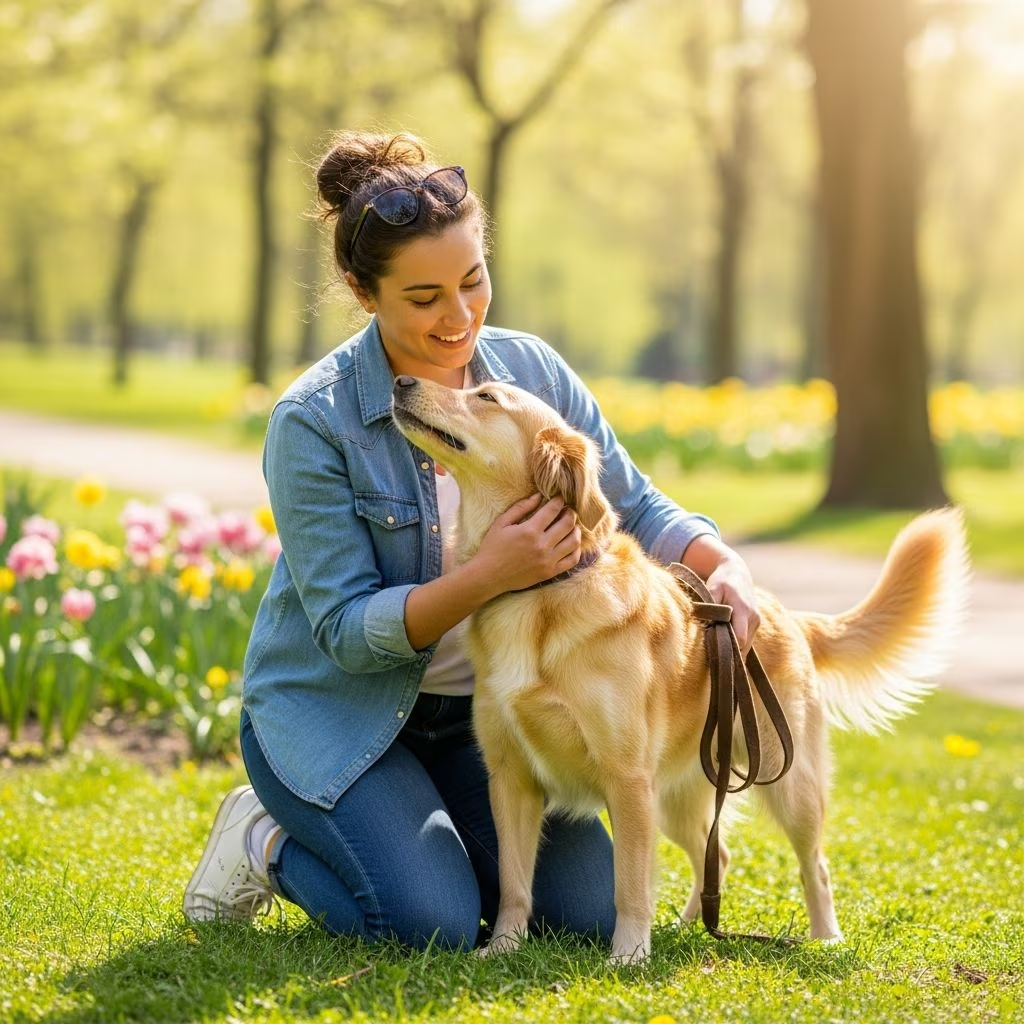
The foundation of a fulfilling life with your dog lies in cultivating a deep, mutual connection built on trust, clear communication, and shared positive experiences. This bond not only enhances daily interactions but also improves behavior, reduces stress, and promotes overall well-being for both you and your pet. By prioritizing relationship-focused approaches over strict obedience drills, you create a partnership where your dog eagerly looks to you for guidance and enjoyment.
Understanding the Essentials of Dog-Human Partnerships
Dogs thrive in environments where they feel secure and valued. A strong relationship transforms routine care into opportunities for connection, turning you into the primary source of fun, food, and comfort in your dog’s world. Research and expert trainers emphasize that empathy, consistency, and play are key pillars, shifting from a commensal dynamic to a true companionship.
Start by observing your dog’s unique personality. Some dogs respond best to gentle touch, others to energetic games. Tailor your efforts to match their preferences, ensuring every interaction reinforces positive associations with you.
Daily Hand-Feeding: The Gateway to Trust
One of the simplest yet most powerful ways to build loyalty is through hand-feeding meals. Instead of dumping kibble into a bowl, deliver portions directly from your hand throughout the day. This practice positions you as the dispenser of life’s necessities, fostering dependence and gratitude.
- Begin with one meal daily to ease into the routine, gradually expanding as your dog adjusts.
- Use this time for basic cues like ‘sit’ before offering food, blending nourishment with light training.
- Observe body language; relaxed ears and a wagging tail signal growing comfort.
Hand-feeding demystifies food delivery, reducing resource guarding tendencies and enhancing focus during interactions. It’s particularly effective for new dogs or those with trust issues, as it consistently pairs your presence with pleasure.
Incorporating Play into Everyday Routines
Play is the universal language of joy for dogs, fulfilling physical, mental, and emotional needs. Dedicate at least 10-15 minutes daily to interactive games, choosing activities that excite your dog.
| Game Type | Benefits | How to Play |
|---|---|---|
| Tug-of-War | Builds impulse control and excitement management | Use a sturdy rope toy; cue ‘take it’ to start and ‘drop it’ to release |
| Fetch/Retrieve | Encourages focus and physical exercise | Toss a ball, reward returns with praise and treats |
| Chase Games | Releases energy, strengthens teamwork | Run together in a safe yard, alternating who leads |
These sessions reinforce that time with you equals fun, deepening emotional ties. Avoid solo play with toys when possible; redirect to joint activities to center you as the fun provider.
The Healing Power of Touch and Massage
Physical contact through daily massages promotes relaxation and desensitizes dogs to handling. Spend 5-10 minutes gently stroking areas like the ears, neck, and back, using slow, circular motions.
- Start in a quiet space to minimize distractions.
- Combine with deep breathing to sync your calm energy.
- Progress to paws and belly for vet-prep comfort.
Massage lowers stress hormones, improves circulation, and builds tolerance for grooming or medical exams. Experts note it creates positive body associations, vital for fearful or rescue dogs.
Establishing Consistent Routines for Security
Dogs flourish under predictability. Set fixed times for meals, walks, and play to provide structure, reducing anxiety and enhancing reliability.
Incorporate simple protocols, like a ‘sit’ before doors open or leashes attach. This isn’t about dominance but teaching polite participation for rewards. Consistency signals safety, encouraging your dog to anticipate and enjoy your leadership.
Embarking on Shared Adventures
Nothing bonds like exploration. Regular one-on-one outings—hikes, beach visits, or neighborhood sniffaris—allow discovery together, associating you with thrill and novelty.
- Opt for off-leash areas if trained, or long-leash hikes for freedom.
- Let sniffing dictate pace sometimes; it’s mental enrichment.
- Pack treats to reward check-ins, maintaining connection.
These ventures combat boredom, exercise bodies and minds, and create memorable shared histories. A tired, satisfied dog post-adventure is more attentive and affectionate.
Relationship-Driven Training Techniques
Shift from command-based to collaborative training. Reward desired behaviors with high-value items your dog adores—food, toys, praise—making learning enjoyable.
Focus on:
- Positive Reinforcement: Mark good choices with a clicker or ‘yes!’ followed by rewards.
- Two-Way Communication: Read signals like yawns (stress) or play bows (invitation).
- Fun Tricks: Teach spins or paw shakes to build enthusiasm.
This method yields willing compliance rooted in mutual respect, not fear. Prioritize bond-building over perfection; a happy dog learns faster.
Addressing Common Bonding Challenges
Not all paths are smooth. If your dog ignores you:
- Reduce freedom; earn privileges through engagement.
- Ignore attention-seeking jumps; reward calm sits.
- Enroll in group classes for socialization and handler focus.
For high-energy pups, blend mental games with physical outlets. Patience is crucial; progress builds gradually through consistent positivity.
Long-Term Strategies for Lifelong Connection
Sustain the bond with variety: rotate games, introduce scents or agility, attend sports like rally. Annual check-ins assess dynamics, adjusting as your dog ages.
Health matters too—regular vet visits ensure comfort, preventing pain-induced distance. Your evolving partnership adapts to life stages, from puppy antics to senior cuddles.
Frequently Asked Questions (FAQs)
How long does it take to build a strong bond with a rescue dog?
Typically 2-6 months with daily positive interactions, though progress varies by history. Consistency accelerates trust.
Can hand-feeding work for picky eaters?
Yes; mix in enticing toppers like wet food to boost appeal while maintaining the routine.
What if my dog prefers other people or dogs?
Become more rewarding than alternatives by controlling resources and initiating fun first.
Is play safe for all dogs?
Most yes, but supervise multi-dog play and teach outs to prevent overstimulation.
How does exercise impact bonding?
Daily walks tire dogs mentally/physically, making them calmer and more receptive to you.
Key Benefits of a Solid Dog Relationship
- Improved obedience through voluntary cooperation.
- Reduced behavioral issues like barking or chewing.
- Enhanced mutual joy and stress relief.
- Better adaptability to changes or travel.
Investing in this partnership yields a loyal, happy companion who enriches your life profoundly.
References
- Building a Better Relationship with Your Dog — Earthborn Holistic Pet Food. 2023. https://www.earthbornholisticpetfood.com/blog/training-behavioral/building-a-better-relationship-with-your-dog/
- The Power Of Relationship-Based Dog Training — Dog Adventures NW. 2022. https://dogadventuresnw.com/the-power-of-relationship-based-dog-training/
- 10 Expert Tips to Strengthen the Bond with Your Dog — Guiding Eyes. 2024. https://www.guidingeyes.org/10-expert-tips-to-bond-with-your-dog/
- 25 Ways to Get Your New Dog to Trust, Love, and Respect You — 3 Lost Dogs. 2023. https://www.3lostdogs.com/14-ways-to-get-your-new-dog-to-trust-love-and-respect-you/
- I Never Said I Liked You! The Magic of Relationship in Dogs and Training — McCann Dogs. 2021. https://www.mccanndogs.com/blogs/articles/i-never-said-i-liked-you-the-magic-of-relationship-in-dogs-and-training



