

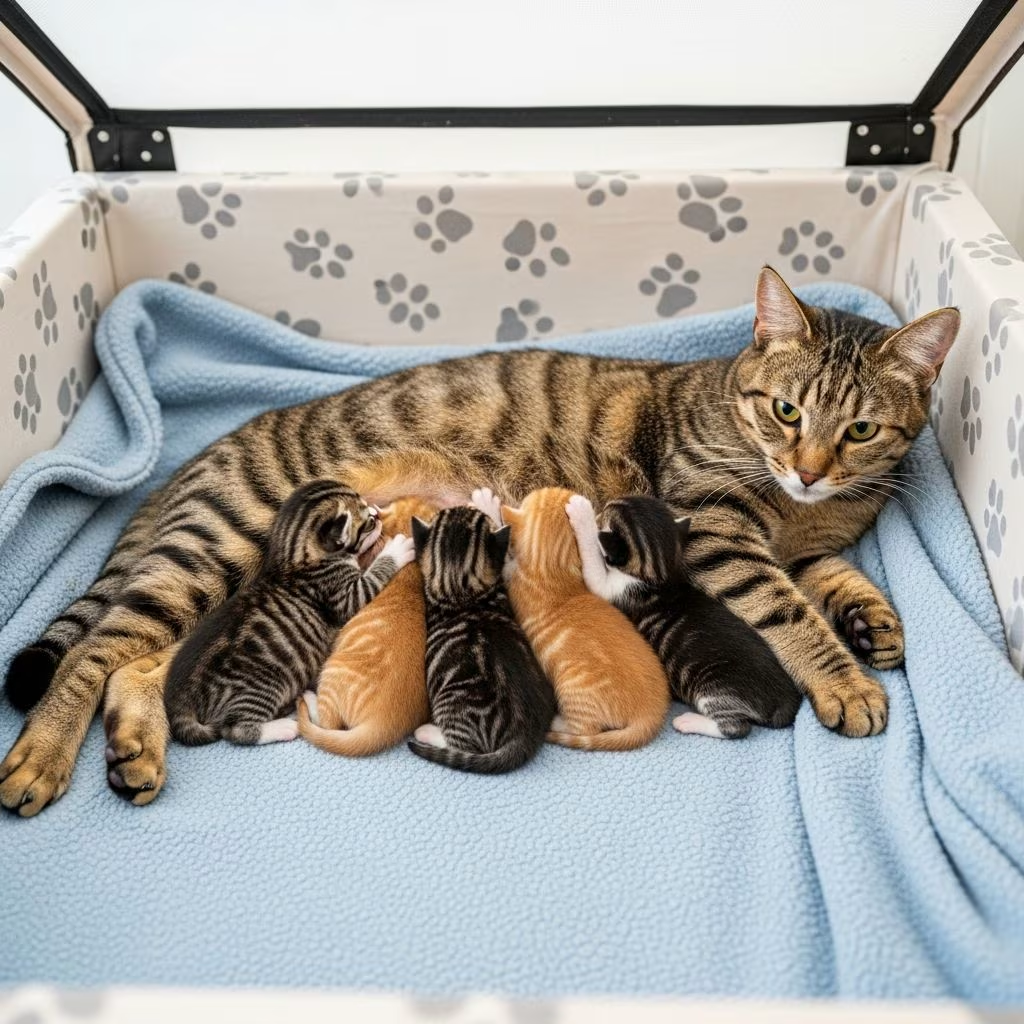
Fostering Moms and Kittens: A Complete Guide to Caring for Mother Cats and Their Litters
Fostering mother cats and their kittens is one of the most rewarding ways to support animal rescue organizations and save vulnerable lives. When you open your home to a nursing mother and her litter, you provide essential care during a critical period in the kittens’ development. This comprehensive guide will walk you through every aspect of fostering a mother cat and her kittens, from preparing your home to helping them transition to their forever families.
Why Foster Mother Cats and Kittens?
Fostering mother cats with their litters serves multiple critical purposes in animal rescue. When shelter and rescue resources are stretched thin, foster homes provide the space and individualized care that mother cats and young kittens need to thrive. By fostering, you directly save lives, reduce overcrowding in facilities, and allow rescue organizations to focus their resources on other animals in need. Additionally, kittens raised in home environments with positive human interaction develop better socialization skills and are more likely to become well-adjusted family pets.
The bond between a mother cat and her kittens is crucial during the first weeks of life. In a foster home, this natural relationship can flourish without the stress and instability of a shelter environment. Your role as a foster parent is to support this bonding while preparing both mother and kittens for their next chapters.
Preparing Your Foster Home
Choosing the Right Space
Before bringing a mother cat and her kittens home, prepare a dedicated fostering space. This area should be separate from other household animals to prevent stress and potential disease transmission. A spare bedroom, bathroom, or enclosed office works well for this purpose. The space needs to accommodate a mother cat’s nesting area, food and water bowls, and litter facilities without cramping.
Safety is paramount when selecting your foster room. Avoid basements, garages, or areas with outdoor access, as these locations pose safety risks. The room should have secure windows and be free of hazards such as toxic plants, small objects that could be ingested, or unstable furniture that could fall.
Temperature Control
Young kittens cannot regulate their own body temperature, making environmental warmth essential for survival and health. Your foster room should maintain a temperature slightly warmer than normal room temperature. If using heating aids like heating pads or heat lamps, follow safety protocols to prevent burns. Ensure the room is draft-free, as cold air can quickly chill vulnerable kittens.
Essential Supplies and Setup
Most rescue organizations provide supplies for foster animals, though some may ask foster parents to contribute certain items. Typical supplies include:
- Food and water bowls (separate from litter area)
- Litter box with low sides for easy kitten access
- Bedding and towels for comfort and easy cleaning
- Whelping box or nesting area for the mother cat
- Cleaning supplies for daily maintenance
- Age-appropriate food and formula if needed
- Heating pad or heat source for temperature control
Position the litter box as far as possible from the mother cat’s food and water bowls, as cats naturally avoid eliminating near their eating areas. Provide multiple safe spaces where the mother cat can care for her kittens, with a dark, quiet area equipped with a whelping box being ideal for nursing and bonding.
Bringing Mom and Kittens Home
Initial Acclimation
When you first bring a mother cat and her litter home, expect the mother to be stressed or wary. Provide a quiet, calm environment and minimize disruptions during the first few days. Allow the mother cat to explore at her own pace and become comfortable with her surroundings before introducing extensive human interaction.
Keep the kittens confined to their designated area for at least the first week. This confinement prevents them from wandering into dangerous situations and helps the mother cat feel more secure about her litter’s safety. It also makes monitoring their health and behavior easier for you as a foster parent.
Introducing Other Household Pets
If you have other cats or pets at home, introduce them to the foster family gradually. Over a one to two week period, allow animals to smell each other through a closed door without direct contact. Exchanging blankets or towels between areas helps them acclimate to each other’s scents. The next step involves allowing visual contact through a cracked door or baby gate. Only proceed to supervised direct meetings if all animals show calm, curious behavior. If any animal displays aggression or significant stress, separate them and introduce them more slowly.
Nutrition and Feeding
Nursing Mother Care
A nursing mother cat requires high-quality nutrition to maintain her health and produce adequate milk for her kittens. Feed her premium kitten food, as it contains the additional calories and nutrients she needs while nursing. Provide food multiple times daily and ensure she has constant access to fresh water, as nursing demands significant fluid intake.
Monitor the mother cat’s body condition throughout the nursing period. She may lose some weight as she feeds her litter, but excessive weight loss indicates she needs more food or higher-calorie options. If nursing demands seem overwhelming, consult with your rescue organization’s veterinarian about supplementing kittens with bottle feeding.
Kitten Feeding Stages
The feeding approach for nursing kittens depends on their age and the mother’s milk production. Newborn kittens receive all nutrition from their mother’s milk for the first three to four weeks. Your role during this stage is to ensure the mother cat is well-fed and that kittens are nursing regularly.
Weaning begins around four weeks of age. Start by creating a gruel by mixing warmed canned kitten food with water. This soft mixture is easier for young kittens to consume than solid food. It may take several attempts before kittens understand how to eat this new food, so patience is essential. Gradually thicken the mixture by adding less water over time, eventually transitioning kittens to moistened canned food and then to dry kitten food.
By six to eight weeks of age, kittens should be eating independently from their mother. Offer high-quality kitten food at least three times daily, adjusting portions based on appetite and growth. If kittens show territorial behavior around food, provide separate bowls to ensure everyone receives adequate nutrition.
Bottle Feeding (If Needed)
Some foster situations require bottle feeding orphaned kittens or supplementing a litter when the mother cannot produce enough milk. Always use kitten-specific formula, never cow’s milk, which can cause digestive upset. Feed bottle-fed kittens every three to four hours initially, with overnight feeding every four hours. Before feeding, ensure each kitten is warm, as chilled kittens cannot digest food properly and may suffer serious health consequences. Wrap each kitten in a towel and position them with their belly toward the floor during bottle feeding, mimicking natural nursing position.
Litter Box Training and Bathroom Habits
Introduction to the Litter Box
Begin introducing kittens to the litter box around four to five weeks of age. Use a box with low sides that kittens can easily climb in and out of. Disposable litter boxes work well for foster situations, as they reduce cleaning effort. Keep kittens confined to a small area and provide at least one litter box in each room they can access.
Encouraging Proper Litter Box Use
During the learning phase, gently place kittens in the litter box every 15 to 20 minutes, especially after meals, naps, and play sessions. Praise and reward them when they use the box successfully. Accidents happen frequently during this learning period, so choose foster spaces that are easy to clean. Place washable pads or newspapers in areas where accidents are most likely to occur.
Maintain consistent litter box cleanliness, as kittens prefer clean facilities. Scoop waste daily and change litter regularly. If you notice persistent litter box issues, consult with your veterinarian, as medical conditions can sometimes interfere with proper elimination habits.
Health and Veterinary Care
Initial Health Assessment
When you receive a mother cat and her kittens, obtain complete health information from the rescue organization. Note any existing medical conditions, medications, or special care requirements. Observe all animals closely for signs of illness or distress during the first few days.
Monitoring for Illness
Watch for warning signs that require immediate veterinary attention. These include lethargy, lack of appetite, vomiting, diarrhea, difficulty breathing, or discharge from eyes or nose. Young kittens are particularly vulnerable to infections, so prompt medical care is essential. Maintain regular communication with your rescue organization’s veterinary team and report any health concerns immediately.
Vaccination and Spay/Neuter
Your rescue organization will schedule veterinary appointments for vaccinations and preventive care. Once kittens reach approximately two pounds in weight, they can be safely spayed or neutered. The rescue will typically arrange this procedure, though you may be asked to provide transportation to and from the veterinary clinic or adoption center. After surgery, you may care for recovering kittens in your home for a few days or return them to the rescue facility, depending on the organization’s protocols.
Socialization and Behavioral Development
Critical Socialization Period
The weeks kittens spend in your foster home represent a critical period for socialization. Positive experiences during this time shape their behavior and confidence as adult cats. Your role is to expose kittens to new people, sounds, environments, and experiences in a controlled, positive manner.
Handling and Human Interaction
Spend generous time cuddling, petting, and playing with kittens. This interaction builds their confidence around humans and teaches them that people are sources of comfort and joy. Gently handle different parts of their bodies, including paws and ears, to acclimate them to veterinary exams and grooming. Always keep handling sessions positive, using treats and praise liberally.
Environmental Exposure
Introduce kittens to different areas of your home gradually. Whenever they encounter a new space, provide treats and interactive play so they associate new environments with positive experiences. Keep these exploratory sessions brief to avoid overwhelming young kittens. If a kitten shows signs of fear or stress, return them to their safe area and try again later.
Play and Interactive Engagement
Provide a variety of toys that encourage natural hunting and pouncing behaviors. Interactive toys like feather wands and string toys should always be supervised to prevent accidental ingestion. Rotate toys regularly to maintain interest and provide mental stimulation. Play sessions should be frequent and fun, helping kittens burn energy and develop coordination.
Managing Kitten Behavior
Establishing Good Habits
During their time in your home, kittens learn behaviors that will follow them into their adoptive families. Establish clear, consistent expectations about which behaviors are acceptable. Reward desired behaviors with praise and treats, and gently redirect unwanted behaviors.
Biting and Rough Play
Kitten biting during play is normal developmental behavior, but it should be discouraged to prevent future aggression issues. When a kitten bites, respond with a firm “no” and redirect play to an appropriate toy. Avoid using your hands as toys, as this teaches kittens that hands are acceptable targets.
Scratching Behavior
Provide appropriate scratching surfaces such as scratching posts or pads. When kittens use these surfaces, reward them with treats and praise. Redirect inappropriate scratching to proper surfaces using the same gentle but firm approach used for other unwanted behaviors.
Preparing for Adoption
Creating Adoption Profiles
As kittens approach adoption age (typically around eight weeks or after spay/neuter surgery), complete a foster animal biography form provided by the rescue organization. In this form, describe each kitten’s personality, special traits, quirks, and any information potential adopters should know. These profiles help match kittens with families that suit their individual temperaments and needs.
Assisting the Adoption Process
Your observations about each kitten’s behavior, socialization level, and special needs provide invaluable information for adoptive families. Be honest about each kitten’s personality and energy level to ensure successful placements. Kittens typically adopt quickly once they are ready, so be prepared for them to move to their forever homes within a short timeframe.
Frequently Asked Questions
Q: How much time do I need to spend with foster kittens?
A: Foster kittens require consistent daily care including feeding, litter box maintenance, and socialization. Plan to spend several hours daily providing attention, play, and hands-on interaction to support proper development.
Q: How long will kittens need to stay in foster care?
A: Typically, kittens remain in foster care until they reach approximately two pounds in weight and can be safely spayed or neutered. This usually occurs between six to ten weeks of age. After surgery, you may care for them during recovery or return them to the rescue facility.
Q: What if I want to adopt one of my foster kittens?
A: Many rescue organizations allow foster parents to adopt their foster animals. If you’re interested in adoption, discuss this with your foster coordinator. The adoption process typically follows standard procedures, including an application and adoption fee.
Q: What happens if the mother cat gets sick?
A: Contact your rescue organization’s veterinary team immediately if the mother cat shows signs of illness. Depending on the severity, the rescue may provide treatment, or kittens may need temporary bottle feeding supplementation or transition to bottle feeding entirely.
Q: Can I foster if I have other pets?
A: Yes, you can foster with other pets present, provided you have a separate room for the foster animals and can introduce your existing pets gradually and carefully following proper protocols.
Q: What supplies will the rescue provide?
A: Most rescues provide essential supplies including food, litter, and medical care. However, some organizations may ask foster parents to provide certain items. Clarify supply arrangements with your foster coordinator before bringing animals home.
References
- Kitten Foster Manual — Best Friends Animal Society. 2024. https://bestfriends.org/pet-care-resources/kitten-foster-manual
- Foster to Save Lives this Kitten Season — Best Friends Animal Society. 2024. https://bestfriends.org/kittens/how-to-foster-kittens
- Preparing for Your Foster Kittens — Best Friends Animal Society. 2024. https://bestfriends.org/pet-care-resources/preparing-your-foster-kittens
- Life-Saving Orphan Kitten Guide — ASPCApro. 2016. https://www.aspcapro.org/professional-resources
- Cat Foster Care Manual — Best Friends Animal Society. 2024. https://bestfriends.org/pet-care-resources/cat-foster-care-manual



