

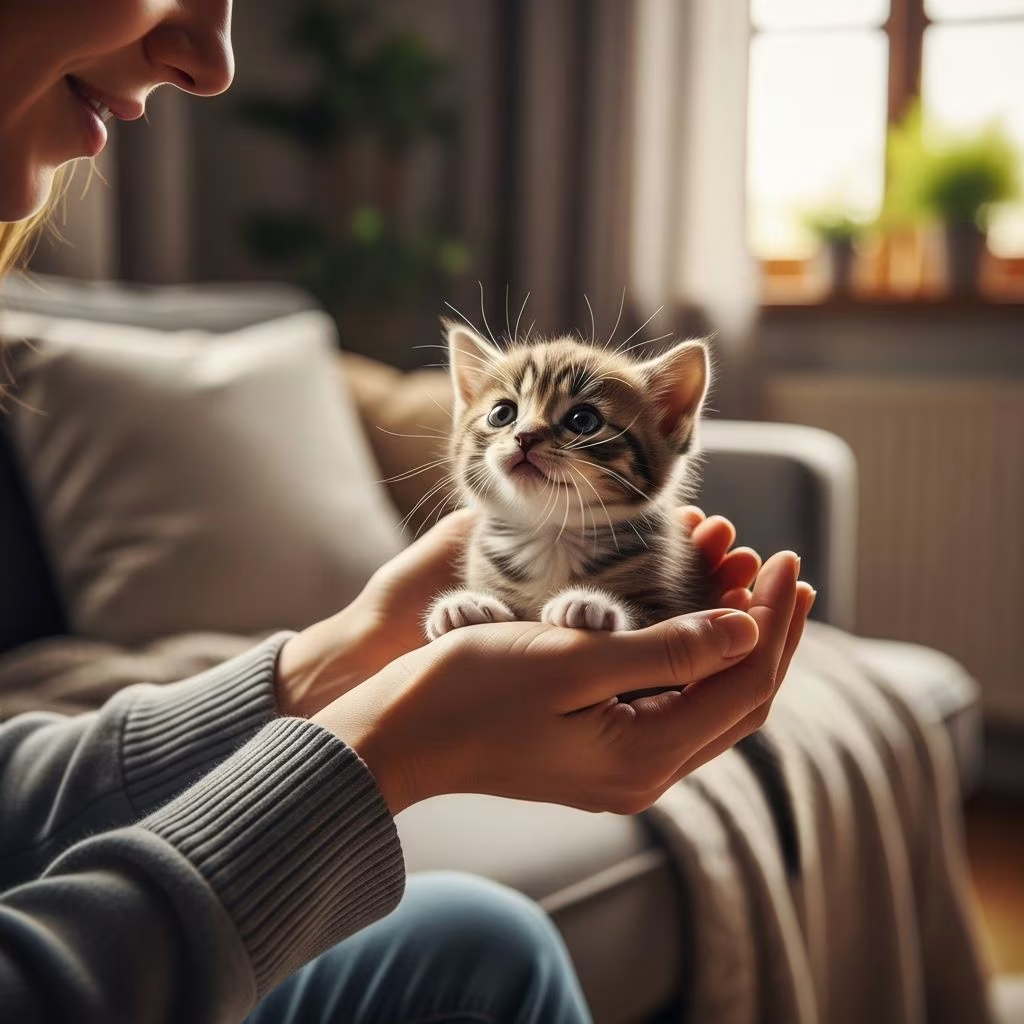
Fostering a kitten is one of the most rewarding ways to make a difference in the life of a homeless animal. With kitten season straining shelters year-round, your help can provide these vulnerable little ones with a safe, nurturing environment until they find their forever homes. This guide covers everything from preparation to saying goodbye, drawing on expert advice to ensure you and your foster kittens thrive.
Why Foster a Kitten?
Kittens are among the most at-risk homeless animals. Shelters often face overcrowding, leading to stress and illness like upper respiratory infections in young cats. Fostering offers a home-like setting with personalized care, reducing euthanasia rates and improving adoptability. Whether motivated by compassion, learning about kitten development, or combating loneliness, fostering saves lives—euthanasia for cats has dropped significantly, but demand for fosters remains high.
Your role helps bridge the gap: neonatal kittens thrive outside stressful shelter conditions, gaining weight, socializing, and staying healthy under your watch. Many fosters report emotional benefits, including reduced seasonal depression through the joy of caregiving.
Step 1: Choose the Right Organization
Start by partnering with a reputable shelter or rescue. Ask key questions:
- What supplies do they provide? Most cover food, litter, bowls, and beds, but budget for extras like toys.
- What’s their emergency protocol? Ensure 24/7 support for nighttime issues.
- Medical protocols: Kittens should arrive vaccinated (rabies, distemper), dewormed, and flea-treated. Schedule boosters if needed.
- Adoption process: Will you assist in screening adopters?
Some programs even offer stipends, as seen in initiatives like Los Angeles’ pay-to-foster motion, making it accessible amid rising costs.
Step 2: Get Everyone On Board
Fostering is a team effort. Discuss with family, roommates, and existing pets:
- Assign roles: Who handles feeding, litter scooping (multiple times daily), playtime, and shelter communication?
- Children: Teach gentle handling; supervise interactions to prevent injury to tiny kittens.
- Resident pets: Keep separate initially to avoid disease transmission, especially to other cats.
When all are excited, the experience becomes joyful. Divvy duties to prevent burnout—kitten litters demand constant attention.
Step 3: Prepare Your Space
No need for a dedicated room; a bathroom, office, or spare space works if it’s cleanable and spacious enough for separation of litter box from food/water.
- Essentials: Litter box (one per kitten +1), food/water bowls, bedding, scratching posts, toys.
- Safety: Block cords, secure shelves, remove toxic plants.
- Vertical space: Cat trees or wall shelves for climbing.
- Cleaning: Use non-porous surfaces; disinfect between fosters.
| Space Requirement | Minimum Size | Tips |
|---|---|---|
| Single kitten | 4×4 feet | Add tunnels for enrichment. |
| Litter (4+ kittens) | 8×10 feet | Multiple boxes, play zones. |
| With kids/pets | Separate room | Baby gates for controlled intros. |
Step 4: Initial Health Check and Care
Upon arrival, quarantine if possible. Monitor for signs of illness: sneezing, lethargy, diarrhea. Weigh daily—healthy kittens gain 4-8g/day.
- Vaccinations: Age-appropriate; first at 6-8 weeks.
- Parasites: Treat fleas/worms per shelter protocol.
- Bottle-feeding neonates: Every 2-3 hours; use kitten milk replacer (KMR), never cow’s milk.
Follow ASPCA guidelines: Consult vets for FVRCP vaccine series starting at 6 weeks, repeated every 3-4 weeks until 16 weeks.[ASPCA.org]
Feeding Fostered Kittens
Nutrition is critical for growth.
- 0-4 weeks: Mother’s milk or KMR via bottle. Feed 2-6ml per ounce body weight per feeding.
- 4-8 weeks: Introduce wet food soaked in KMR; transition to gruel.
- 8+ weeks: High-quality kitten kibble/wet food, free-fed or 3-4 meals daily.
Provide fresh water always. Overfeeding leads to diarrhea; underfeeding stunts growth. Track intake to spot issues early.
Litter Training and Behavior
Kittens instinctively use litter boxes. Place them in the space from day one.
- Tips: Use shallow boxes with clumping litter; place after meals.
- Problems: If accidents occur, check for UTI or constipation; clean thoroughly.
Socialize early: Handle gently, expose to household sounds, people. Play with wand toys to build hunting skills and prevent boredom biting.
Socialization and Playtime
Weaning period (4-12 weeks) is prime for personality development.
- Daily routine: 30-60 minutes play per kitten; rotate toys.
- Human interaction: Hold, groom, reward calm behavior.
- With dogs/kids: Slow intros post-quarantine; supervise.
Socialized kittens adopt faster—aim for friendly, confident pets.
Health Monitoring and Vet Care
Daily checks: Eyes clear? Gums pink? Active? Log symptoms.
Common issues:
- URI: Isolate, steam therapy, vet antibiotics.
- Diarrhea: Hydrate, probiotics.
- Panleukopenia: Highly contagious; vaccinate early.[CDC.gov]
Per AAHA: Spay/neuter at 8-12 weeks if weight-appropriate before adoption.[aaha.org]
Preparing for Adoption
Document progress with photos/videos for listings. Note personality: lap cat? High-energy?
- Screens adopters: Home checks, pet history.
- Foster-to-adopt: Trial periods common.[10]
Expect heartbreak—”foster fail” (adopting yourself) is a win! Many use fostering as a pet parent test run.
Common Challenges and Solutions
| Challenge | Solution |
|---|---|
| Over-attachment | Remember temporary; prepare emotionally. |
| Cleaning frenzy | Enzyme cleaners; daily scoops. |
| Illness outbreak | Quarantine; vet ASAP. |
| Time commitment |
Frequently Asked Questions (FAQs)
Q: How young can I foster kittens?
A: Neonates (under 4 weeks) need bottle-feeding experience; start with weanlings if new.
Q: Do I get paid to foster?
A: Supplies usually covered; some cities like LA propose stipends.
Q: Can I foster with my own pets?
A: Yes, after quarantine and slow intros; protect residents from diseases.
Q: What if a kitten gets sick at night?
A: Follow shelter’s on-call protocol; have vet contacts ready.
Q: How long do kittens stay in foster?
A: 2-8 weeks typically, until adoptable (8-12 weeks, spayed/neutered).
Q: Is fostering tax-deductible?
A: Unreimbursed expenses may qualify as charitable donations; consult a tax pro.
Fostering transforms lives—yours and the kittens’. Shelters need you now more than ever. Sign up today and experience the purring gratitude!
References
- 6 Things to Know Before Fostering a Cat — Kinship. 2023. https://www.kinship.com/cat-lifestyle/6-things-to-know-before-fostering-a-cat
- LA Residents Could Get Paid to Foster Pets — Kinship. 2023. https://www.kinship.com/pet-lifestyle/la-pay-to-foster-pet-news
- What to Expect When Fostering a Kitten — Kinship. 2023. https://www.kinship.com/cat-lifestyle/fostering-kitten
- American Animal Hospital Association (AAHA) Kitten Care Guidelines — AAHA. 2023-10-01. https://www.aaha.org/resources/2023-aaha-feline-life-stage-guidelines/kitten-care/
- ASPCA Kitten Vaccination Recommendations — ASPCA. 2024. https://www.aspca.org/pet-care/cat-care/kitten-vaccinations
- CDC Feline Panleukopenia Fact Sheet — CDC. 2022-05-15. https://www.cdc.gov/healthypets/pets/cats.html



