

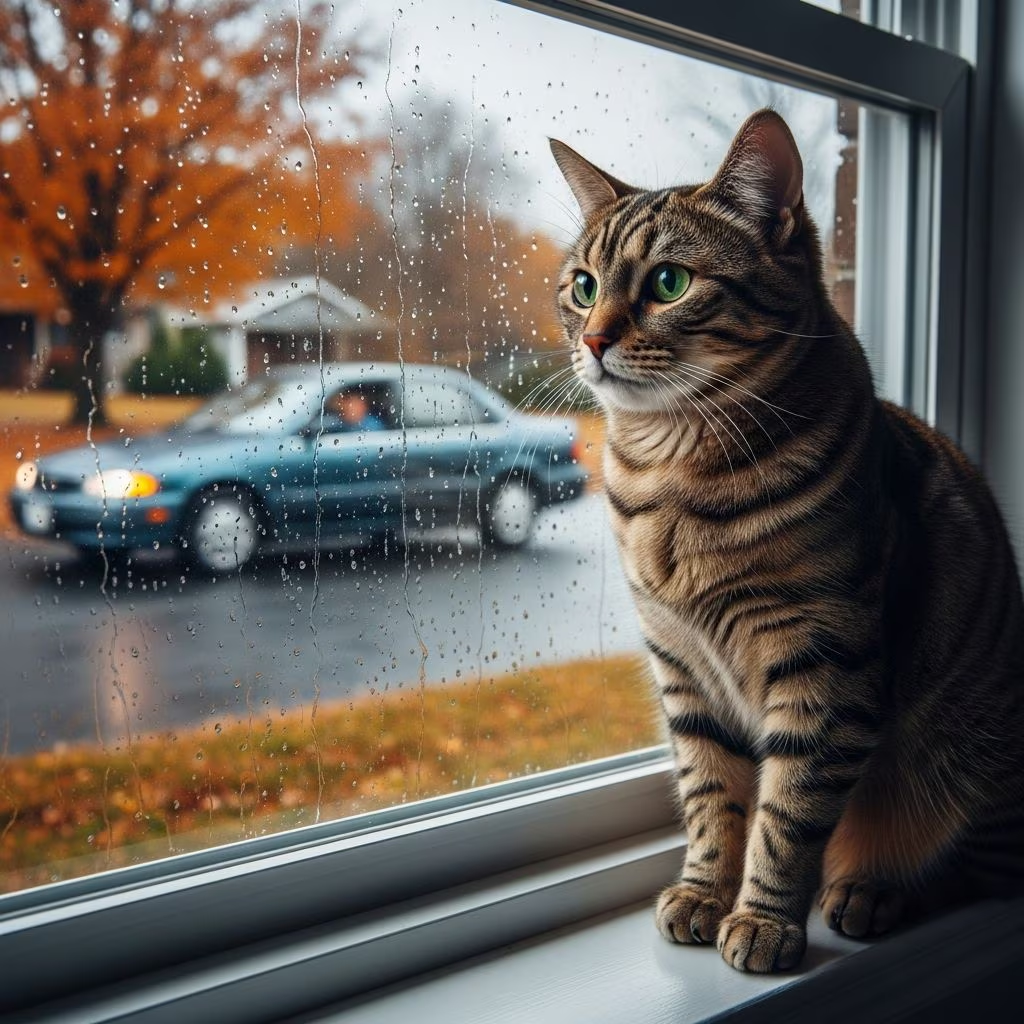
Cats in foster care often form deep bonds with their temporary caregivers, raising concerns about whether they perceive rehoming as abandonment. Research and expert insights indicate that while cats experience stress during transitions, they adapt well to new environments with proper preparation, focusing on their resilience rather than long-term trauma.
Understanding Feline Emotional Bonds in Foster Settings
Cats develop attachments similar to other pets, influenced by consistent care, play, and affection during fostering. These bonds create a sense of security, but changes like adoption can trigger temporary anxiety manifested through hiding, reduced appetite, or vocalization. Unlike humans, cats process separations through instinctual adaptation, prioritizing survival and new routines over grudges.
Psychological studies on animal behavior reveal that felines exhibit submissive traits post-stress, akin to survival mechanisms observed in various species. This does not equate to perceiving abandonment but rather a coping strategy for environmental shifts.
The Transition from Foster to Forever Home
When a foster cat moves to a permanent home, the initial days involve acclimation. Provide familiar items like blankets or toys scented with your smell to bridge the gap. New owners should maintain a quiet space, gradual introductions to household members, and consistent feeding schedules to rebuild trust swiftly.
- Maintain daily routines to minimize disruption.
- Use pheromone diffusers to reduce stress hormones.
- Monitor litter box usage and eating habits for adjustment signs.
Volunteers report that most cats settle within 1-2 weeks, with playfulness returning as they explore their new territory. Emotional challenges for fosters include attachment, yet viewing the handover as mission success reframes the experience positively.
Signs Your Foster Cat is Coping Well Post-Adoption
Observe these indicators of healthy adaptation:
| Positive Sign | Timeline | Action if Absent |
|---|---|---|
| Increased exploration | 3-7 days | Check for health issues |
| Normal appetite | 1-3 days | Consult vet for nausea |
| Social engagement | 1-2 weeks | Enhance enrichment |
| Grooming resumption | Immediate | Ensure quiet environment |
These milestones confirm the cat’s resilience, countering fears of perceived betrayal.
Coping Strategies for Foster Parents
Saying goodbye stirs emotions, but strategies help. Celebrate adoptions with photos or updates from new families. Many fosters keep albums, fostering ongoing connection without possession. Taking breaks post-adoption prevents burnout, ensuring sustained volunteering.
Experts emphasize self-compassion: tears are normal, reflecting care depth. Reframe as gifting resilience—your nurturing equips cats for lifelong thriving.
Long-Term Effects on Cats from Foster Experiences
Positive fostering builds confidence, reducing future stress responses. Cats from stable fosters show better adaptability in multi-pet homes or with children. Neglectful origins heighten sensitivity, underscoring preparation’s role.
Studies affirm fostering’s net benefit, outweighing brief separations through enriched socialization and health monitoring.
Preparing Cats for Smooth Rehoming
Proactive steps include:
- Socialization with diverse stimuli.
- Health checks and vaccinations.
- Behavior logs for adopters.
- Trial visits to potential homes.
These minimize upheaval, promoting perceptions of transition as opportunity.
Common Myths About Cat Abandonment Feelings
Myth: Cats hold grudges forever. Reality: They live presently, forming new bonds rapidly. Myth: All fosters suffer trauma. Reality: Most thrive, per volunteer data showing low long-term issues.
Benefits of Fostering for Cats and Humans
Fostering saves lives, teaches cats household norms, and boosts human well-being via purpose. Volunteers gain resilience, mirroring pets’ growth.
Frequently Asked Questions
Will my foster cat forget me?
Cats form scent-based memories but adapt forward-focused. Updates sustain loose ties.
How long does adjustment take?
Typically 1-4 weeks, varying by cat’s history.
Can I visit my foster after adoption?
Discuss with adopters; many welcome it.
What if adoption fails?
Rescues support returns, prioritizing cat welfare.
Is fostering emotionally sustainable?
Yes, with boundaries and community support.
Building a Supportive Foster Network
Join groups for shared experiences. Mentorship eases newcomers through emotional peaks.
Fostering transforms lives mutually. Embrace it knowing transitions herald brighter futures.
References
- The emotional side of fostering pets and how it builds resilience — Humane World for Animals. 2023. https://www.humaneworld.org/en/all-animals/fostering-pets-mental-health-resilience
- Support for Saying Goodbye to Your Foster Cat — Preventive Vet. 2023. https://www.preventivevet.com/cats/how-to-say-goodbye-to-your-foster-cat
- Understanding the ‘Abandoned Cat Effect’ in Parent-Child Relationships — OreAte AI Blog. 2024. https://www.oreateai.com/blog/understanding-the-abandoned-cat-effect-in-parentchild-relationships-the-overlooked-early-warning-signs/8269e83e65efdb4a6be879ff6a29f8a7



