
Complete Guide to Fostering Cats Successfully
Learn essential tips for providing temporary shelter and care to foster cats in your home
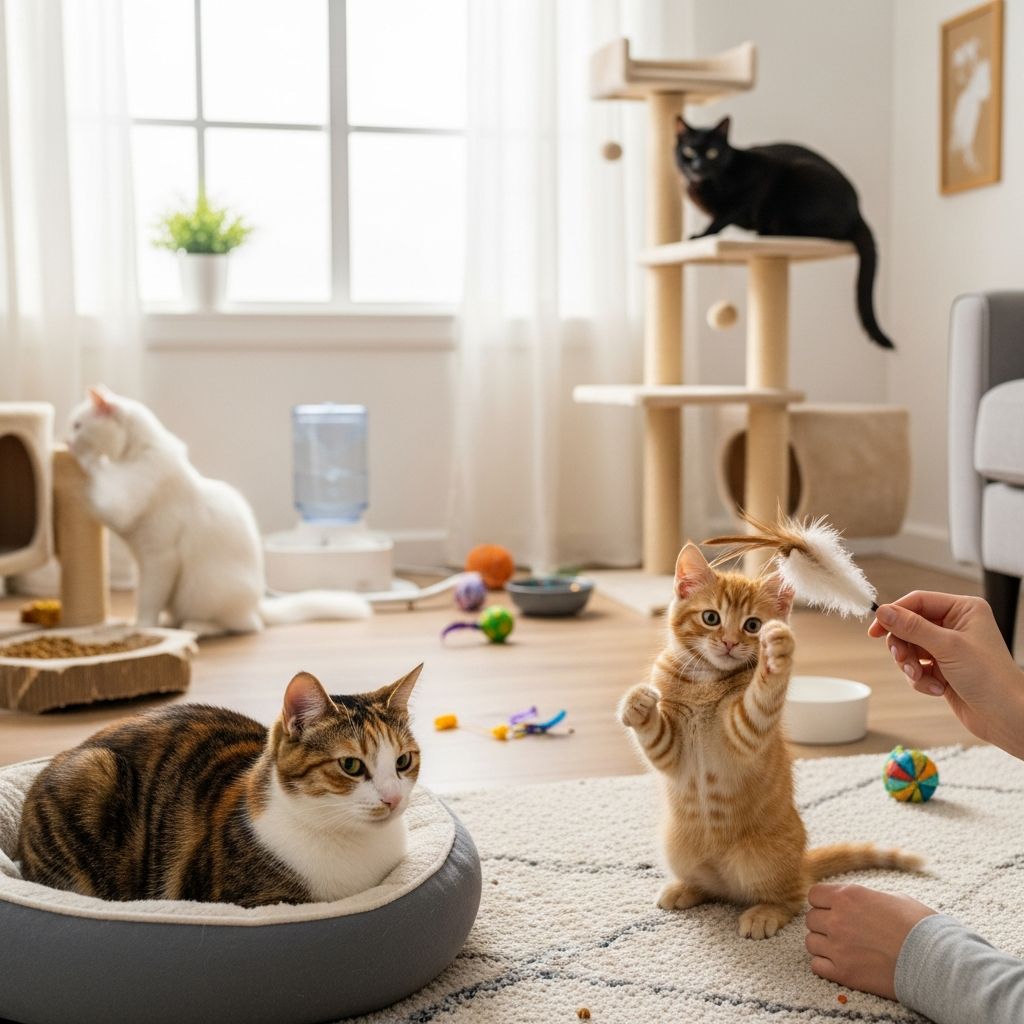
Fostering cats represents one of the most meaningful ways individuals can contribute to animal welfare organizations and help reduce shelter overcrowding. Whether you’re considering becoming a foster parent or are already committed to the role, understanding the comprehensive care requirements ensures both you and your foster cat have a positive experience. This guide covers everything from preparing your home to managing daily routines and addressing behavioral challenges.
Understanding Your Commitment as a Foster Parent
Before bringing a foster cat into your home, recognize that fostering involves genuine responsibility and time investment. Foster caregivers must commit to providing consistent daily care, regular veterinary visits, and emotional support during the transition period. On average, plan to dedicate at least two hours daily to socialization, play, and general care activities. This investment directly impacts the foster cat’s adjustment, confidence level, and future adoptability.
Foster parents serve as crucial bridges between shelter life and permanent homes. The experiences cats have during their foster period significantly influence their behavior, trust in humans, and likelihood of successful adoption. Understanding this broader context helps foster caregivers appreciate the importance of their work and maintain patience during challenging moments.
Preparing Your Living Space Appropriately
Creating a safe, comfortable environment is foundational to successful fostering. The living space must prioritize both your foster cat’s physical safety and emotional wellbeing.
Housing Requirements and Containment
Foster cats must always be housed indoors only. Garages, backyards, or outdoor enclosures do not provide adequate protection or appropriate conditions. When you first bring a foster cat home, establish a dedicated room or enclosed space where the cat remains separate from your resident pets for at least 14 days. This quarantine period allows the foster cat to adjust to the new environment while reducing disease transmission risks.
The designated space should feel secure and inviting rather than imprisoning. Place a cat carrier without its door or a cardboard box inside the crate, covered with a sheet, to provide a safe hiding spot. The room itself must be secure and cat-proofed, preventing escape attempts and unsafe exploration. During initial confinement, ensure the cat can access food, water, and litter facilities without feeling vulnerable.
Essential Environmental Modifications
Cat-proofing your home protects your foster cat from household hazards while preventing damage to your belongings:
- Secure electrical cords, outlets, and remove access to electrical hazards
- Store medications, cleaning supplies, and toxic substances in sealed, elevated cabinets
- Remove or secure house plants, many of which are toxic to cats
- Block access to small hiding places under beds, behind cabinets, or in tight spaces
- Use protective coverings or furniture pads on items you want to preserve from scratching
- Remove items with small detachable parts that could be swallowed
Pay special attention to windows and doors to prevent escape attempts, particularly during the initial adjustment period when foster cats may be anxious or disoriented.
Establishing Infrastructure for Daily Living
Beyond general safety, furnish your foster space with items that support the cat’s physical and behavioral needs.
Litter Box Management
Place the litter box in a private, convenient location within the foster cat’s designated room, away from food and water bowls. Scoop the litter box at least once daily and change the litter regularly to ensure hygiene and monitor the cat’s elimination patterns. Cats are particular about litter box cleanliness; a neglected box may result in inappropriate elimination elsewhere in your home. The location should be easily accessible but provide the cat with privacy and dignity.
Food and Water Stations
Provide separate, clean food and water bowls distinct from those used for your resident pets. Foster cats should have access to fresh, clean water at all times. Feed wet and dry life-stage appropriate food based on the cat’s age and dietary requirements. Wet food can be offered once or twice daily depending on the individual cat’s needs, while dry food may be left available continuously.
Use mealtimes as socialization opportunities by offering food in your presence and observing the cat’s eating behavior. Poor appetite or changes in eating patterns often indicate stress or illness and should be monitored carefully.
Comfort and Entertainment Items
Equip the foster space with items that promote physical and mental wellbeing:
- Multiple scratching posts and pads in different textures to accommodate individual preferences
- Durable, safe toys without small detachable parts or sharp edges
- Wand toys, balls, paper bags, and cardboard boxes for interactive play
- Catnip toys (though not all cats respond to catnip)
- Comfortable bedding, cat beds, or blankets that can be regularly washed
- Toys and items that can be easily disinfected or disposed of after use
Avoid carpeted or wooden scratching posts that cannot be properly disinfected between different foster animals.
Nutrition and Feeding Protocols
Proper nutrition supports the foster cat’s health, energy levels, and emotional stability. Feeding practices vary based on the cat’s age, health status, and individual needs.
Standard Feeding Guidelines
Provide life-stage appropriate food that matches the foster cat’s age and nutritional requirements. Kittens under five weeks old may require formula, syringes, and bottles along with specialized feeding techniques. As kittens transition to solid food, gradually introduce wet and dry options under veterinary guidance.
For adult cats and older kittens, establish a consistent feeding schedule. While dry food can remain available throughout the day, wet food portions should be offered at designated times and any uneaten portions removed after 20-30 minutes to prevent spoilage and bacterial growth.
Monitoring Intake and Health Indicators
Carefully observe your foster cat’s eating habits as an indicator of overall health and adjustment. Changes in appetite, refusal to eat, or excessive consumption may signal stress, illness, or other concerns. Keep a simple journal noting daily food intake, water consumption, and litter box usage. This documentation proves invaluable during veterinary visits and helps track the cat’s progress.
Treats serve as valuable tools for building trust and rewarding positive behavior, but ensure all treats are cat-safe and exclude toxic foods like chocolate, onions, garlic, and certain human foods.
Isolation Protocols and Disease Prevention
Disease prevention is critical in foster settings where cats from shelter environments may carry infectious agents.
Quarantine Procedures
Quarantine your foster cat for 14 days to prevent disease transmission to resident pets and vice versa. This period allows any incubating illnesses to manifest before introduction to your household. Maintain strict separation during this time, using different feeding utensils, litter scoops, and toys for the foster cat versus resident pets.
Sanitation and Disinfection
It is very important to repeatedly and thoroughly clean and disinfect any areas where your foster cat spends time and any objects the cat contacts. Use appropriate disinfectants such as diluted bleach solutions for hard surfaces, and wash all fabric items including bedding, blankets, and towels regularly in hot water. Maintain strict hygiene practices by washing hands thoroughly between handling your resident pets and your foster cat.
Choose toys and bedding that can be easily disinfected or safely discarded after use. This practice prevents cross-contamination and reduces disease transmission risk across multiple foster placements.
Socialization Strategies for Behavioral Development
Socialization represents one of the most valuable contributions foster parents make to a cat’s future success. Cats that develop confidence, trust, and comfort with human interaction are significantly more adoptable.
Early Interaction Techniques
Begin introducing yourself to your foster cat gradually. For young kittens, handle them frequently, exposing them to different people—including children under appropriate supervision—to build familiarity with human contact. Avoid leaving children unattended with fragile kittens for safety reasons.
For fearful or hesitant cats, employ gentle strategies using high-value treats like specialized cat products or small amounts of plain cooked chicken to encourage positive interactions. Gradually increase proximity before offering rewards, pairing treats with gentle play or soft voice interaction. This approach builds trust without forcing uncomfortable situations.
Play Sessions and Activity Engagement
Plan 1-2 short play sessions daily to help your foster cat socialize, release energy, and build confidence. Use a variety of toys including wand toys, balls, paper bags, and boxes to maintain interest and stimulation. Play sessions also provide excellent opportunities for breaking the ice and leading to cuddle sessions with shy cats.
Avoid rough play using your hands as toys, which can teach inappropriate biting and scratching behaviors. Instead, use toys and objects to mediate interaction. An evening playtime can help tire your foster cat, promoting peaceful sleep for all household members.
Behavioral Reinforcement Approaches
Use positive reinforcement to reward desirable behaviors and gently redirect unwanted ones. This approach builds trust and strengthens your bond without creating fear or resentment. Never use punishment like yelling to correct your foster cat; instead, focus on solving underlying causes of problematic behavior.
Provide a bed or corner where your foster cat can hide and feel safe, particularly during initial adjustment periods. Having a secure retreat space reduces anxiety and helps cats feel in control of their environment. Make this space easily accessible from food, water, and litter facilities so the cat never feels forced to choose between safety and basic needs.
Integration with Resident Pets
If you have existing pets, careful introduction protocols prevent conflict and reduce stress for all animals.
Gradual Introduction Timeline
Maintain complete separation from resident pets for the initial 14-day quarantine period. After this time, begin gradual introductions by swapping blankets or towels to allow pets to become familiar with each other’s scents. Allow visual contact through a baby gate or slightly open door before face-to-face meetings.
When ready for direct introductions, supervise all interactions closely, watching body language for signs of stress or aggression. If any cat shows tension or aggressive behavior, slow the process and return to previous stages. Some cats require weeks or months for comfortable cohabitation; rushing introductions risks permanent conflict.
Maintaining Household Harmony
Ensure the foster cat has independent access to resources during integration—separate food bowls, water stations, litter boxes, and safe spaces prevent competition and reduce territorial disputes. Monitor interactions during this period, intervening before conflicts escalate.
Daily Health Monitoring and Veterinary Care
Regular health assessment enables early detection of problems and ensures optimal care during the foster period.
Observable Health Indicators
Check your foster cat daily for eating, drinking, and litter box usage patterns. Watch for changes in energy levels, appetite, or behavior that could indicate illness. Note any signs of respiratory issues, digestive problems, or physical abnormalities. Keep detailed records of observations to share during veterinary visits and with adoption coordinators.
Veterinary Appointment Responsibilities
Be prepared to set aside time every two weeks for follow-up vaccinations and spay/neuter surgery appointments as scheduled by your foster organization. Follow specified guidelines of your organization’s veterinarians and staff regarding medical care. Utilize the hotline system for all emergency and non-emergency treatment consultation.
Hygiene and Grooming
Bathe your foster cat only when specifically instructed by your foster coordinator. However, regular grooming through brushing helps cats look and feel their best while improving adoptability. Brushing also provides bonding opportunities and allows you to assess skin and coat health.
Establishing and Maintaining Routine
Cats thrive on predictability. Maintaining consistent routines reduces stress and helps foster cats feel secure.
Structured Daily Schedules
Keep your foster cat’s routine as regular as possible, as cats are creatures of habit. Maintain consistent feeding times, play sessions, litter box cleaning schedules, and interaction patterns. Predictability helps anxious cats relax and demonstrates that their environment is safe and manageable.
Documentation and Communication
Maintain a simple journal documenting daily activities, behaviors, health observations, eating and elimination patterns, and social progress. This record becomes invaluable for veterinary visits, adoption consultations, and helps your foster organization understand each cat’s specific needs and capabilities. Regular communication with your foster coordinator ensures you receive guidance for any challenges or concerns.
Handling Challenges and Special Circumstances
Some foster situations present unique challenges requiring patience, flexibility, and problem-solving.
Fearful or Withdrawn Cats
Cats showing extreme fear or avoidance behavior require extra time and gentleness. Never force interaction; instead, allow the cat to approach on their own terms. Gradual exposure to your presence, voice, and scent, combined with positive associations like treats and food, helps build confidence. Some cats require weeks to show visible progress, but consistent, gentle efforts produce remarkable transformations.
Escape Attempts and Outdoor Access Concerns
Monitor for escape attempts, curious behavior near doors or windows, and report concerns to your coordinator. Never allow unsupervised outdoor access. Establish household protocols ensuring doors are never left open unattended and windows remain secured or screened.
Frequently Asked Questions About Foster Cat Care
How long does a typical foster placement last?
Foster placement duration varies based on the cat’s age, health status, and behavior. Kittens typically stay 8-12 weeks until reaching adoption weight, while adult cats may remain for several weeks to months depending on behavioral rehabilitation needs or medical recovery requirements.
What if my foster cat won’t eat?
Loss of appetite within the first few days often reflects adjustment stress and usually resolves as the cat becomes comfortable. However, persistent refusal to eat after several days warrants veterinary consultation. Contact your foster coordinator if eating concerns arise.
Can I adopt my foster cat?
Many foster parents develop attachments to their foster cats. Most organizations allow foster-to-adopt conversions following standard adoption procedures. Discuss this possibility with your foster coordinator if the option interests you.
How do I handle aggressive behavior?
Never punish aggressive behavior. Instead, identify triggers, provide space, and use positive reinforcement for calm behavior. Contact your foster coordinator for guidance on behavior modification strategies specific to your cat’s situation.
Conclusion: The Impact of Dedicated Foster Care
Fostering cats represents a transformative experience for both animals and caregivers. By providing a safe home environment, consistent care, proper nutrition, thorough socialization, and emotional support, foster parents directly improve adoption outcomes and animal welfare. The investment of time and effort produces cats that are healthier, more confident, and better prepared for permanent homes. Your dedication as a foster parent makes an immeasurable difference in the lives of vulnerable cats and supports the vital work of animal rescue organizations.
References
- HSSC Foster Manual: Kittens and Cats — Humane Society of the Suncoast. 2019. https://www.hssc.org/images/About/DocumentLibrary/HSSC_Foster_Manual_Kittens_and_Cats_0619-web.pdf
- ASPCApro Feline Foster Care Guide — American Society for the Prevention of Cruelty to Animals. https://www.aspcapro.org/sites/default/files/aspcapro-feline-foster-care-guide.pdf
- Cat Foster Manual — The Alliance in Limiting Strays (TAILS). https://www.tailsct.org/cat-foster-manual
- Foster Care Manual for Cats and Kittens — SPCA. 2018. https://yourspca.org/wp-content/uploads/2018/04/Cats-and-Kittens-Foster-Manual-April-2018.pdf
- CAT FOSTER MANUAL — MSPCA-Angell. 2023. https://www.mspca.org/wp-content/uploads/2023/09/Feline-Foster-Manual-Updated-9.2023.pdf
- Cat Foster Handbook — Dallas Animal Services. https://bedallas90.org/wp-content/uploads/Cat-Foster-Handbook-1.pdf
Similar Articles








Read full bio of medha deb




