Fortify Your Cat’s Immune System with L-Lysine
Boost your cat's immunity naturally with L-lysine to prevent respiratory infections and herpesvirus flare-ups.
Understanding Feline Herpesvirus and Upper Respiratory Infections
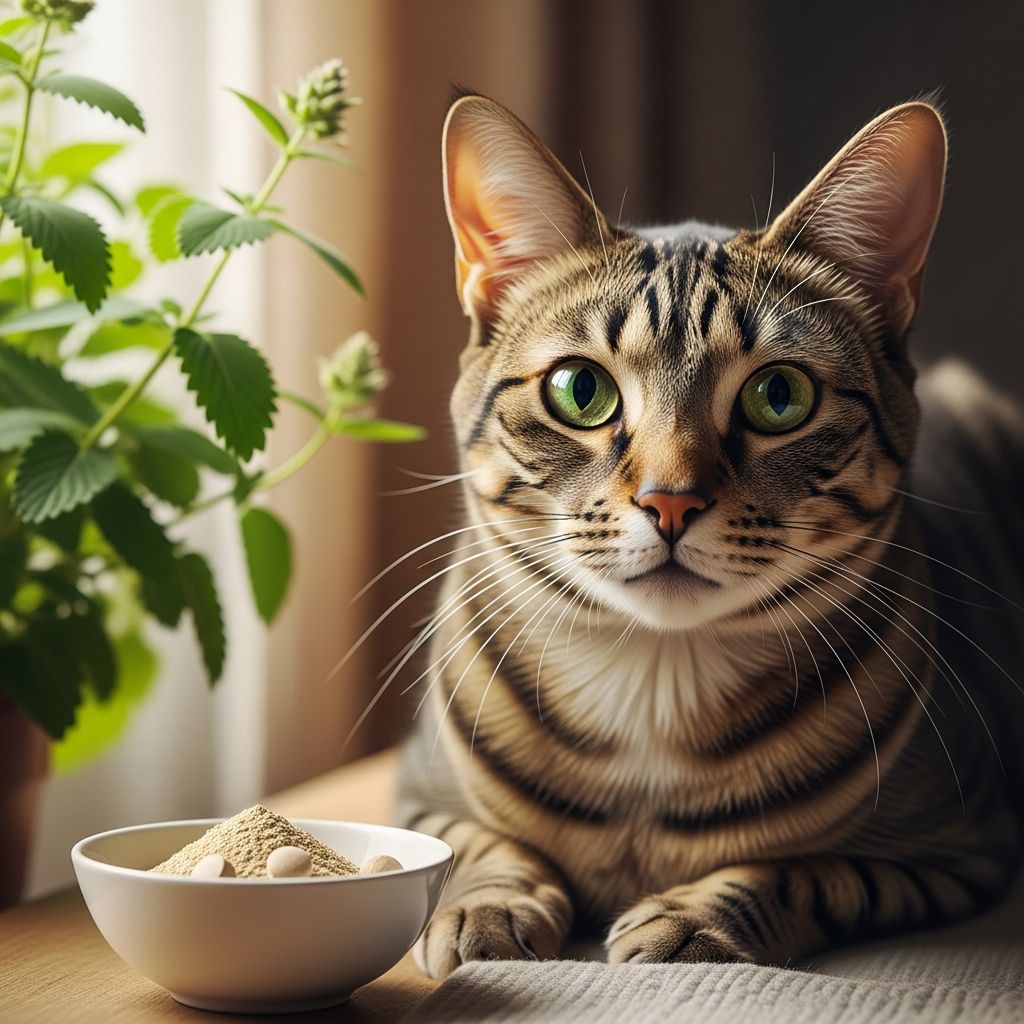
If you’ve recently brought home a new kitten only to notice excessive tearing and sneezing within days, or if your adult cat experiences recurring episodes of sneezing and red eyes during stressful periods, your feline companion may be dealing with an upper respiratory infection. These infections are particularly common in cats and can significantly impact their quality of life.
One of the most prevalent culprits behind these symptoms is feline herpesvirus (FHV-1), also known as feline viral rhinotracheitis. This virus is remarkably common in kittens and causes cold-like symptoms that mirror what humans experience with the common cold. The challenge with herpesvirus is that once a cat contracts it, the virus remains dormant in their system for life. This means that even after an initial infection resolves, the virus can resurface whenever a cat’s immune system is compromised, such as during times of stress, illness, or environmental changes.
With proper supportive care, most cats infected with herpesvirus recover quickly and return to feeling their best. However, the persistent nature of this virus means that cat owners must adopt preventive strategies to minimize flare-ups and maintain their pet’s quality of life over the long term.
The Role of Vaccinations in Herpesvirus Management
The primary defense against herpesvirus complications begins with keeping your cat up to date on routine vaccinations. The distemper vaccine provides coverage for herpesvirus and, while it doesn’t completely eliminate the virus from your cat’s system, it significantly reduces the clinical signs and symptoms caused by infection. Regular vaccination is one of the most effective tools available to cat owners for preventing serious herpesvirus-related complications.
However, vaccination alone may not be sufficient for cats that have already been infected with herpesvirus or those prone to frequent flare-ups. This is where additional preventive measures, such as supplementation with L-lysine, come into play as a complementary approach to support your cat’s immune system.
What is L-Lysine and How Does It Work?
The Science Behind L-Lysine
L-lysine is an essential amino acid that plays a crucial role in immune function and overall health. Unlike some nutrients that cats can produce internally, L-lysine must be obtained through diet or supplements because cats’ bodies don’t naturally produce sufficient amounts to protect against certain illnesses and infections. This makes supplementation particularly valuable for cats prone to viral infections.
The mechanism by which L-lysine works is fascinating and grounded in viral biology. Feline herpesvirus requires arginine, another amino acid, to multiply within your cat’s body. When you supplement your cat with L-lysine, it competes with arginine and essentially hinders the virus’s ability to replicate. By reducing arginine availability, L-lysine effectively suppresses viral growth before symptoms have a chance to emerge. This preventive action is what makes L-lysine such a valuable tool in managing herpesvirus in cats.
Immune System Support Through Enzymatic Action
Beyond its role in competing with arginine, L-lysine stimulates important enzymatic processes within your cat’s body. Specifically, L-lysine activates enzymes in the liver that further break down arginine, reducing the availability of this amino acid that viruses depend on for replication. Additionally, L-lysine helps your cat’s body produce essential enzymes and antibodies that bolster immune function and support nutrient absorption to promote overall health.
L-Lysine as a Preventive Supplement
Using L-Lysine Before Stressful Events
One of the most effective ways to use L-lysine is as a preventive measure rather than as a reactive treatment. The goal is to maintain elevated L-lysine levels in your cat’s system in advance of anticipated stressful situations that might trigger a herpesvirus flare-up. By starting supplementation several days before a known stressor, you allow L-lysine to suppress viral growth sufficiently so that the virus cannot take advantage of your cat’s stressed immune response.
Common situations that warrant preventive L-lysine supplementation include:
- Large gatherings or parties in your home that may cause stress
- The introduction of new pets to your household
- Moving to a new residence
- Changes in routine or environment
- Upcoming veterinary visits or medical procedures
- Seasonal changes that might impact your cat’s stress levels
Long-Term Supplementation Strategy
It’s important to understand that L-lysine should be treated as a long-term dietary aid rather than a short-term solution to acute health issues. Cats benefit most from consistent, ongoing L-lysine supplementation over extended periods to truly reap the immune-supporting benefits. This means establishing a regular supplementation routine as part of your cat’s daily health regimen, rather than only giving it during crisis situations.
Consistent daily supplementation creates a protective baseline of L-lysine in your cat’s system, which can help reduce the frequency and severity of herpesvirus flare-ups over time. This approach is particularly beneficial for cats with a history of recurrent respiratory infections or those prone to frequent outbreaks.
Identifying When Your Cat Needs L-Lysine
Common Symptoms of Upper Respiratory Infections in Cats
Recognizing the signs that your cat might benefit from L-lysine supplementation is essential for proactive health management. Veterinarians frequently recommend L-lysine for cats experiencing respiratory issues, particularly those with recurring symptoms. If your cat frequently exhibits any of the following signs, she may benefit from L-lysine supplementation:
- Sneezing and excessive sneezing episodes
- Wheezing or respiratory sounds
- Nasal congestion or discharge
- Cold sores or oral lesions
- Fever or elevated temperature
- Runny nose or nasal discharge
- Watery or teary eyes
- Red or puffy eyes and conjunctivitis
- Lethargy or reduced energy levels
Understanding Immune Deficiency Signs
Beyond these specific respiratory symptoms, broader signs of immune deficiency in cats may also warrant L-lysine consideration. Cats with compromised immune systems may show increased susceptibility to infections, slower recovery from illness, or recurring health issues. Discussing your cat’s specific symptoms and health history with your veterinarian can help determine whether L-lysine supplementation is appropriate for your pet.
Available Forms of L-Lysine for Cats
L-lysine supplements come in multiple convenient forms to suit different cats’ preferences and your administration style. Understanding these options can help you choose the format that will be easiest to incorporate into your cat’s routine:
- Powder Form: Easily mixed into food, offering flexibility in dosing and the ability to gradually increase supplementation if needed
- Gel or Paste: Can be applied directly to paws or food, making administration straightforward for cats that prefer this consistency
- Treats: Flavored supplements designed to appeal to cats’ taste preferences, making supplementation feel like a reward
- Capsules or Tablets: Traditional format for cats that tolerate pills, though generally less preferred by feline companions
Many cat owners find that powder formulations work best, as they can be easily mixed into wet food without resistance. This approach ensures your cat receives consistent supplementation without the stress of forced administration.
Dosage and Administration Guidelines
Proper dosing is essential for maximizing the benefits of L-lysine supplementation. Your veterinarian can provide specific dosage recommendations based on your cat’s weight, age, and individual health status. Generally, L-lysine should be given once or twice daily, depending on your veterinarian’s specific guidance. Your cat’s eye and upper respiratory symptoms may begin to ease within a few days of starting supplementation, though the full effects may take several weeks to become apparent.
It’s crucial to follow your veterinarian’s recommendations rather than self-determining dosages, as appropriate supplementation levels ensure both safety and efficacy. Never adjust dosages without consulting your veterinarian first.
Safety and Side Effects
One of the significant advantages of L-lysine supplementation is its excellent safety profile for cats. There are no known side effects of L-lysine supplements when given as directed to feline companions. This makes it an attractive option for cat owners seeking to support their pet’s immune system without concerns about adverse reactions. The supplement is gentle enough for long-term use and well-tolerated by the vast majority of cats.
However, it’s essential to use L-lysine as directed and to inform your veterinarian about any other supplements or medications your cat is currently taking to ensure there are no potential interactions.
Complementary Immune Support
While L-lysine is an excellent supplement for immune support, consider complementary approaches to maximize your cat’s overall wellness:
- Balanced Nutrition: A high-quality diet rich in essential amino acids, vitamins, and minerals supports overall immune function
- Stress Management: Creating a calm, enriched environment reduces stress-related immune suppression
- Regular Veterinary Care: Routine check-ups and vaccinations remain foundational to feline health
- Adequate Hydration: Proper water intake supports immune function and overall health
- Environmental Enrichment: Appropriate play, exercise, and mental stimulation support immune resilience
Frequently Asked Questions
Q: How quickly does L-lysine work for my cat’s symptoms?
A: Some cats may show improvement in eye and respiratory symptoms within a few days of starting L-lysine supplementation. However, full effects may take several weeks to become apparent, so patience and consistency with daily supplementation are important.
Q: Can I give L-lysine to prevent herpesvirus in my kitten?
A: Yes, L-lysine can be used preventively for kittens, particularly those showing early signs of respiratory infection or those you know have been exposed to herpesvirus. Starting supplementation before stressful events can help prevent flare-ups.
Q: Should L-lysine replace my cat’s regular veterinary care?
A: No, L-lysine should never replace modern veterinary medicine or treatment recommendations from your veterinarian. If your cat is experiencing respiratory symptoms, schedule a vet appointment as they may need medical treatment that L-lysine cannot provide.
Q: How long should my cat take L-lysine?
A: L-lysine is best treated as a long-term dietary supplement rather than a short-term solution. Many cats benefit from ongoing supplementation to maintain immune support and prevent recurrent flare-ups. Your veterinarian can advise on the appropriate duration for your specific cat.
Q: Can L-lysine help with other feline illnesses besides herpesvirus?
A: While L-lysine is primarily recommended for feline herpesvirus management, its immune-boosting properties may provide general support for your cat’s overall health. However, consult your veterinarian about using L-lysine for conditions other than herpesvirus.
Q: Are there any cats that should not receive L-lysine?
A: Most cats tolerate L-lysine well with no known side effects. However, always inform your veterinarian before starting any supplement, as they can assess whether L-lysine is appropriate for your cat’s individual health status and any medications they may be taking.
Conclusion
L-lysine supplementation represents a safe, accessible, and well-tolerated approach to supporting your cat’s immune system and managing the challenges associated with feline herpesvirus. By hindering viral growth and supporting your cat’s natural immune defenses, L-lysine helps prevent the recurrent sneezing, tearing, and respiratory symptoms that plague many cats living with latent herpesvirus infection. Whether used preventively before anticipated stressful events or as part of a long-term immune support strategy, L-lysine offers cat owners a valuable tool for enhancing their pet’s quality of life and overall wellness.
Remember that while L-lysine is an excellent supplement, it works best as part of a comprehensive approach to feline health that includes regular veterinary care, appropriate vaccinations, proper nutrition, and a supportive home environment. Work closely with your veterinarian to determine the right supplementation strategy for your individual cat’s needs, and consider incorporating L-lysine into your pet’s daily routine to provide consistent immune support throughout their life.
References
- Fortify Your Cat’s Immune System with L-Lysine — VCA Animal Hospitals. 2025. https://vcahospitals.com/shop/home/supplements-articles/fortify-your-cats-immune-system-with-l-lysine
- What is L-Lysine for Cats? — Pet Honesty. 2025. https://www.pethonesty.com/blogs/blog/what-is-l-lysine-for-cats
- Can Lysine for Cats Help With Illness? — PetMD. 2025. https://www.petmd.com/cat/general-health/lysine-for-cats
- Lysine for Cats: Uses, Dosage, Side Effects — GoodRx. 2025. https://www.goodrx.com/pet-health/cat/lysine-for-cats
- Lysine supplementation is not effective for the prevention or treatment of feline herpesvirus 1 infection in cats — National Institutes of Health. 2015. https://pmc.ncbi.nlm.nih.gov/articles/PMC4647294/
Similar Articles







Read full bio of medha deb