

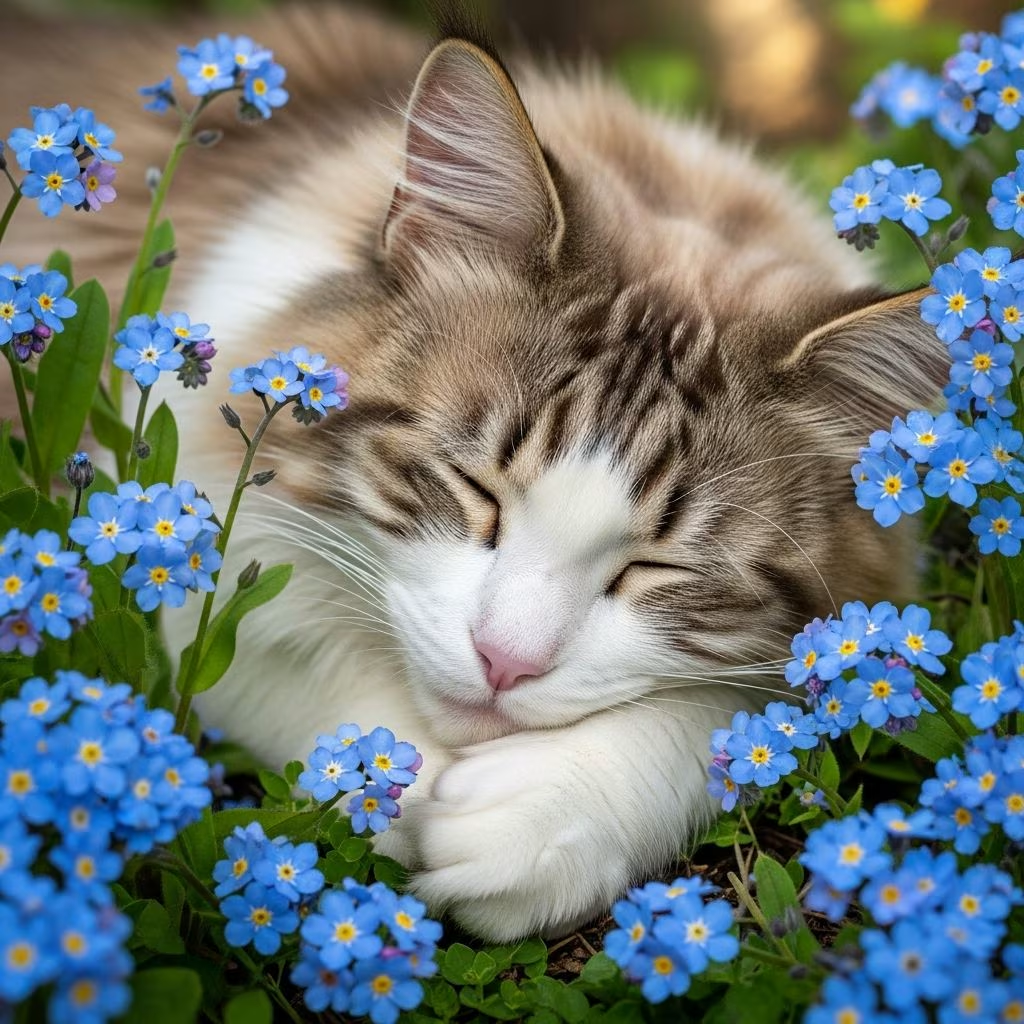
Cat owners who love gardening often worry about the plants they bring into their homes or yards. Forget-me-nots, with their charming small blue blooms, are a popular choice for adding color to gardens and indoor spaces. The good news is that these flowers are typically harmless to cats, making them an excellent option for pet households seeking beauty without worry.
Understanding Forget-Me-Nots: Botanical Basics
Forget-me-nots belong to the Boraginaceae family and are known scientifically as Myosotis sylvatica for the common woodland variety. These perennials produce clusters of tiny flowers featuring a bright yellow center surrounded by delicate blue petals, blooming primarily in spring. They thrive in moist, shaded areas, which makes them ideal for woodland gardens or as ground cover. Their low-growing habit and prolific seeding allow them to naturalize easily, creating a carpet of color year after year.
Beyond aesthetics, forget-me-nots symbolize remembrance and true love, often used in bouquets or as edging plants. For cat owners, the key question revolves around safety: can curious felines nibble on these without consequence? Most sources confirm that standard forget-me-nots pose no toxic threat, even if ingested in small amounts. This sets them apart from many ornamental plants that carry hidden dangers.
Are All Forget-Me-Nots Equally Safe for Cats?
While the majority of forget-me-not species are non-toxic, pet owners must be cautious about look-alikes. The Chinese forget-me-not, or Cynoglossum amabile, also called hound’s tongue, contains pyrrolizidine alkaloids. These compounds become problematic only with repeated, large-scale consumption, primarily affecting livestock like horses rather than cats. This variety is far less common in home gardens, reducing the likelihood of exposure.
- Standard woodland forget-me-not (Myosotis sylvatica): Completely safe; no known toxins affecting cats.
- Chinese forget-me-not (Cynoglossum amabile): Low toxicity risk for cats; chronic ingestion needed for issues.
- Other similar plants: Always verify species before planting near pets.
Conflicting reports exist, with some sources claiming mild toxicity in certain forget-me-nots for pets, but authoritative pet health guides emphasize their overall safety. When in doubt, observe your cat’s behavior after exposure and consult a veterinarian.
Top Toxic Plants to Avoid in Cat Households
Not all plants share the forgiving nature of forget-me-nots. Cats, with their inquisitive nature, frequently investigate foliage by chewing or batting at leaves. Some common garden and houseplants can lead to severe health issues, ranging from mild stomach upset to organ failure. Here’s a breakdown of the most hazardous ones:
| Plant Name | Toxic Components | Symptoms in Cats | Severity |
|---|---|---|---|
| Lilies (all varieties) | Unknown toxins | Kidney failure, vomiting, lethargy | Life-threatening |
| Sago Palm | Cycasin | Liver damage, bleeding, seizures | High |
| Azaleas/Rhododendrons | Grayanotoxins | Vomiting, tremors, heart issues | Severe |
| Daffodils/Tulips | Lycorine, lactones | Drooling, vomiting, arrhythmia | Moderate to severe |
| Dieffenbachia (Dumb Cane) | Calcium oxalate crystals | Mouth irritation, swelling, GI upset | Moderate |
| Cannabis | THC compounds | Disorientation, hyperactivity | Variable |
These plants top the list from veterinary sources due to their prevalence and potent effects. Lilies, in particular, require immediate action—even pollen or vase water can prove fatal.
Safe Plant Alternatives for Cat-Friendly Gardens
Building a pet-safe landscape doesn’t mean sacrificing beauty. Opt for these non-toxic options that cats can safely encounter:
- Spider Plant: Hardy, air-purifying, and irresistible to playful paws.
- Boston Fern: Lush and shade-loving, with no harmful effects.
- Catnip: Encourages healthy play; technically safe despite mild digestive effects.
- Parlor Palm: Elegant indoor choice with zero toxicity.
- Sunflower: Tall blooms that deter nibbling due to texture.
Pair these with forget-me-nots for a vibrant, worry-free display. Introduce new plants gradually and monitor for unusual interest from your cat.
Recognizing and Responding to Plant Poisoning
Even safe plants like forget-me-nots can cause mild tummy upset if overeaten. Watch for these signs of toxicity from dangerous plants:
- Excessive drooling or pawing at mouth
- Vomiting or diarrhea
- Lethargy or weakness
- Tremors, seizures, or breathing difficulties
- Loss of appetite or abdominal pain
If you suspect ingestion, note the plant type, amount consumed, and time of exposure. Contact your vet or a pet poison hotline immediately—do not induce vomiting unless instructed. Early intervention dramatically improves outcomes, especially for lilies or sago palms.
Vase Water and Hidden Dangers in Floral Arrangements
Cats adore sipping from vases, but the water often contains floral preservatives laced with fertilizers or bacteria. These can cause gastrointestinal distress or more serious issues. Prevention tips include:
- Placing arrangements out of reach, such as high shelves or hanging planters.
- Changing water daily and avoiding preservative packets.
- Discarding vase water promptly after flowers wilt.
Combine this with avoiding toxic blooms like lilies in bouquets for complete safety.
Creating a Cat-Proof Garden: Practical Strategies
Design your outdoor space with feline safety in mind. Use raised beds for tempting plants, install motion-activated sprinklers to deter exploration, and provide cat grass or dedicated nibbling areas as distractions. Indoor cats benefit from vertical gardens or window shelves stocked with safe greenery.
Regular pruning removes fallen leaves that might tempt ingestion, and fencing keeps curious cats from neighborhood hazards. Enrich their environment with scratching posts, toys, and perches to reduce plant interest.
FAQs: Common Questions About Plants and Cats
What should I do if my cat eats a forget-me-not?
Monitor for mild upset like vomiting; these plants are non-toxic. Contact a vet if symptoms persist.
Can forget-me-not pollen harm cats?
No evidence suggests pollen toxicity; it’s safe even if groomed off fur.
Are there forget-me-not hybrids dangerous for pets?
Stick to verified Myosotis sylvatica; avoid unlabelled imports.
How do I stop my cat from eating plants?
Offer alternatives like cat grass, use deterrents like citrus sprays, and increase playtime.
Is Chinese forget-me-not common in stores?
Rarely; most sold are safe woodland types.
Long-Term Health Benefits of Safe Gardening
Incorporating non-toxic plants fosters a stimulating environment that supports your cat’s mental and physical well-being. Foraging instincts are satisfied safely, reducing stress and destructive behaviors. Vets recommend this approach alongside routine check-ups for optimal feline health.
By choosing wisely, you blend natural beauty with pet safety, ensuring harmonious living. Always cross-reference with resources like ASPCA lists for the latest updates.
References
- Are Forget-Me-Nots Toxic to Cats? Vet-Reviewed Houseplants — Catster. 2023. https://www.catster.com/cat-health-care/are-forget-me-nots-toxic-to-cats/
- Are Forget-Me-Nots Poisonous to Cats? Vet-Approved Facts — Hepper. 2023. https://articles.hepper.com/are-forget-me-nots-poisonous-to-cats/
- Cat-safe plants – Cats Protection — Cats Protection (PDF). 2022. https://www.cats.org.uk/media/gb1jkhcr/cats_protection-safe-plants-guide.pdf
- Toxic and Non-Toxic Plant List — Cats — ASPCA. 2024. https://www.aspca.org/pet-care/animal-poison-control/cats-plant-list



