

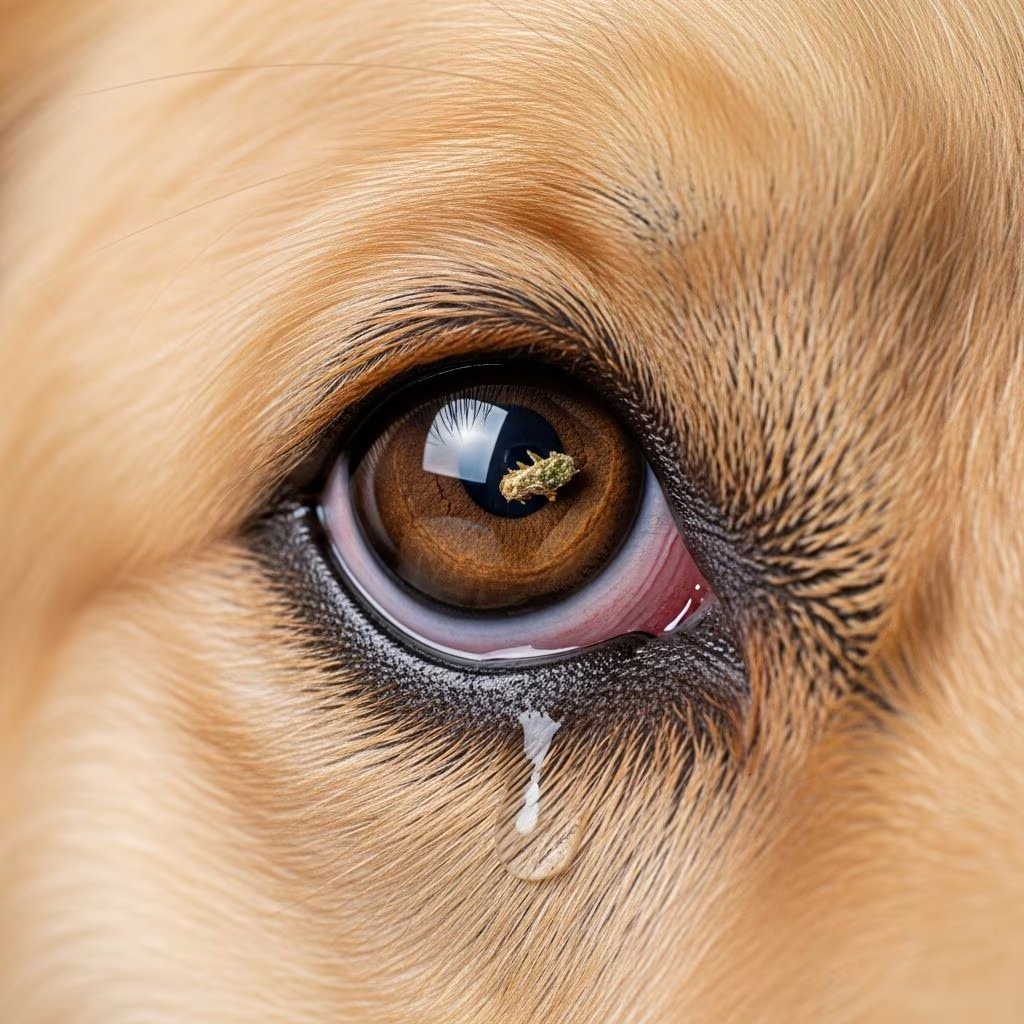
Debris such as dust, grass, or dirt commonly lodges in a dog’s eye, leading to discomfort, redness, and potential complications if not addressed promptly. Recognizing symptoms early and knowing safe intervention steps can prevent escalation to infections or ulcers.
Recognizing the Signs of Irritation
Dogs cannot verbalize eye discomfort, so owners must watch for behavioral and physical cues. Common indicators include excessive blinking, pawing at the face, squinting, or holding the eye partially closed, often accompanied by watery discharge or redness in the white area.
- Redness and swelling: The eye or surrounding tissues appear inflamed due to irritation from particles.
- Discharge types: Clear tearing suggests mild irritation; thick, yellow, or green mucus points to infection.
- Squinting or sensitivity: Bright light worsens pain, causing the dog to avoid it.
- Rubbing behavior: Frequent pawing can worsen damage by scratching the cornea.
These symptoms mimic other conditions like allergies or dry eye, so observation over 24 hours helps differentiate simple debris from serious issues.
Common Culprits Behind Eye Irritation
Outdoor activities expose dogs to environmental hazards. Grass seeds, sand, pollen, or even eyelashes can embed in the eye surface. Breeds with prominent eyes like Pugs or short-nosed dogs face higher risks due to anatomy.
| Cause | Description | High-Risk Activities |
|---|---|---|
| Plant matter | Grass awns or seeds stick to moist eyes | Running in fields |
| Dust/Sand | Fine particles from dry environments | Beach walks, windy days |
| Chemicals | Shampoo or cleaners splashing | Bathing without protection |
| Self-trauma | Claw or hair irritating cornea | Scratching due to fleas |
Understanding these triggers allows preventive measures during playtime.
Safe Steps for Home Removal
If you spot a visible speck, act calmly to avoid startling your dog. Never use fingers or sharp tools, as they risk corneal scratches.
- Secure your dog: Use a leash or helper to prevent sudden movements; a muzzle may be needed for anxious pets.
- Flush gently: Mix sterile saline (or boiled cooled water) and use a clean dropper or syringe to rinse from inner to outer eye corner. Aim for 5-10 gentle streams.
- Inspect closely: Hold eyelids open briefly under good light; if debris persists, stop and seek professional help.
- Apply compress: A cool, damp cloth soothes post-flush; avoid heat which spreads infection.
For embedded objects, professional extraction under sedation ensures safety.
When to Rush to the Vet
Not all cases resolve at home. Seek immediate care if symptoms last over 24 hours, vision seems impaired (bumping objects), or pus develops. Conditions like corneal ulcers from scratches demand antibiotics to avert blindness.
- Cloudy cornea or pupil dilation signals glaucoma.
- Deep redness with pain suggests uveitis or infection.
- Breed predispositions (e.g., Cherry Eye in Bulldogs) require specialist input.
Delays can lead to permanent damage; emergency vets use fluorescein dye to reveal scratches invisible to the naked eye.
Understanding Related Eye Conditions
Conjunctivitis: The Inflammation Mimic
Often confused with debris, this ‘pink eye’ stems from bacteria, viruses, or allergens, causing redness and discharge. Treatment varies: antibiotics for infections, antihistamines for allergies.
Dry Eye and Tear Deficiency
Keratoconjunctivitis sicca reduces lubrication, making eyes prone to foreign bodies. Symptoms include thick discharge; vets prescribe cyclosporine drops to boost tears.
Corneal Ulcers: Scratches Gone Wrong
A trapped particle abrades the cornea, forming painful ulcers. Signs: intense squinting, tearing. Staining tests confirm; severe cases need surgery and protective collars.
Glaucoma and Pressure Buildup
Though less tied to debris, unchecked irritation raises eye pressure, leading to pain and cloudiness. Meds lower fluid; surgery saves vision in acute cases.
Table of key conditions:
| Condition | Symptoms | Treatment |
|---|---|---|
| Conjunctivitis | Redness, discharge | Eye drops, antibiotics |
| Dry Eye | Thick mucus, irritation | Tear stimulants, artificial tears |
| Corneal Ulcer | Squinting, tearing | Antibiotics, surgery if severe |
| Glaucoma | Pain, cloudiness | Pressure meds, surgery |
Veterinary Diagnostic Tools
Exams start with Schirmer tear tests for dryness and tonometry for pressure. Ophthalmoscopes peer inside, while stains highlight wounds. These pinpoint if debris caused secondary issues like infections.
Treatment Options Beyond Home Care
Vets tailor plans: antibiotic drops for bacteria, anti-inflammatories for swelling, or surgery for ulcers/ectropion. E-collars prevent rubbing; follow-up checks monitor healing.
Administering meds:
- Clean discharge with warm cloth first.
- Pull lower lid, apply ointment, massage lids.
- Consistent dosing prevents resistance.
Preventing Future Incidents
Protect during high-risk activities: goggles for dusty areas, flush post-play. Regular grooming clears facial hair; annual vet eye screens catch breeds at risk early.
FAQs
Can I use human eye drops on my dog?
No; they lack proper pH and may worsen irritation. Use vet-prescribed saline or meds only.
How long before worrying if eye is red?
Monitor 12-24 hours; persistent symptoms need professional evaluation to rule out ulcers.
Is surgery common for eye debris?
Rare for simple cases, but needed for complications like prolapsed glands or ulcers.
What breeds are prone to eye issues?
Brachycephalics (Pugs, Shih Tzus) due to eye exposure; herding breeds from field debris.
Can blind dogs from eye problems live normally?
Yes; they adapt using smell and memory, often thriving with home adjustments.
References
- Common Eye Problems In Pets A Guide For Pet Owners — AVC Orlando. 2023. https://avcorlando.com/blog/common-eye-problems-in-pets-a-guide-for-pet-owners/
- Guide to Recognizing and Managing Common Dog Eye Problems — Fetch Vets. 2024. https://fetchvets.com/blog/common-dog-eye-problems/
- Dog Eye Infection – Causes & Treatments — VSCOT. 2021-05-17. https://www.vscot.com/site/blog/2021/05/17/dog-eye-infection
- 12 Common Dog Eye Problems and How They’re Treated — CareCredit. 2024. https://www.carecredit.com/well-u/pet-care/common-dog-eye-problems/
- A guide to common eye problems — Calder Vets. 2024. https://www.caldervets.co.uk/pet-help-advice/dogs/eye-care-for-dogs/55-a-guide-to-common-eye-problems



