

Understanding Foreign Body Ingestion in Dogs
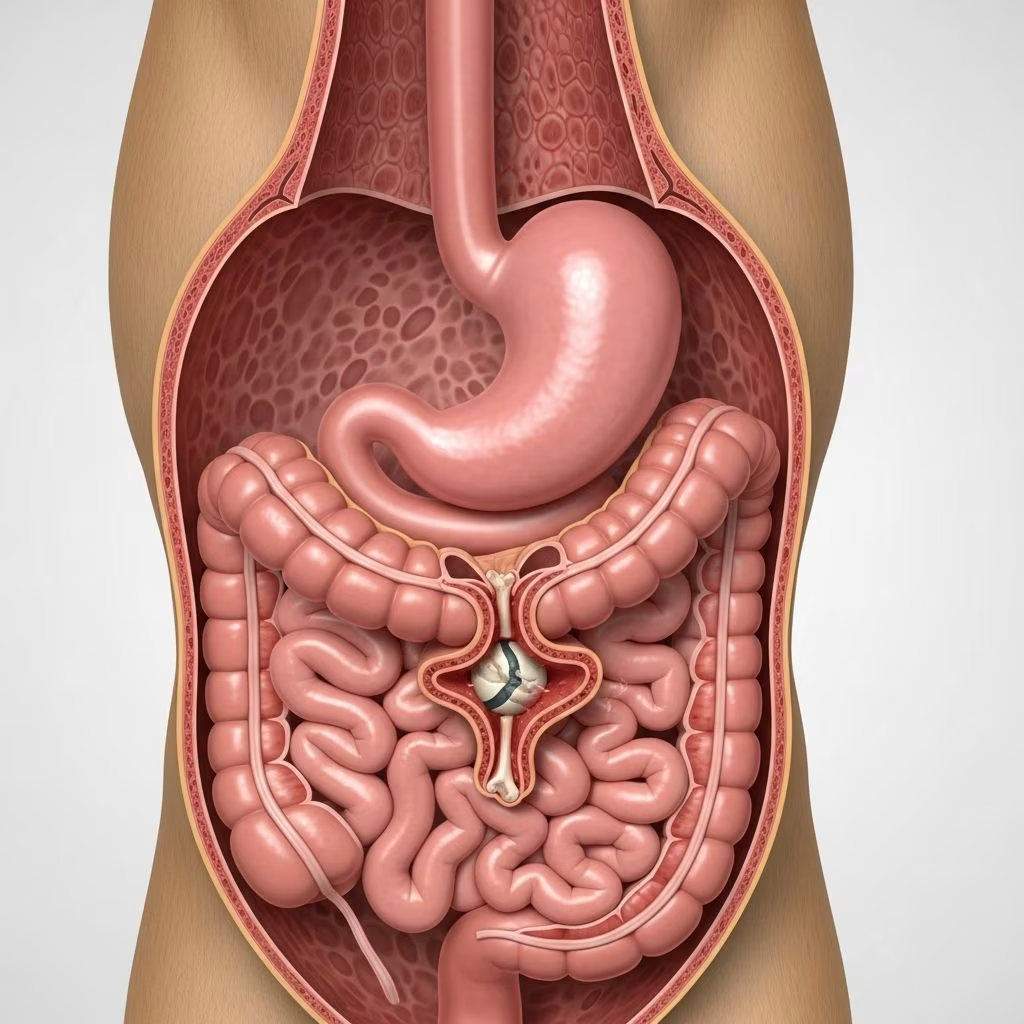
Foreign body ingestion occurs when dogs swallow indigestible objects that become lodged in their gastrointestinal tract. This condition represents one of the more common surgical emergencies in veterinary medicine, affecting dogs of all ages and breeds. Common objects that dogs inadvertently ingest include toys, bones, socks, corn cobs, string, plastic items, and various household materials. The severity of foreign body ingestion depends on several factors, including the size and shape of the object, its location within the digestive tract, and how long it remains lodged. Understanding this condition is crucial for pet owners, as prompt recognition and treatment can prevent life-threatening complications.
Clinical Signs and Symptoms
Dogs that have ingested a foreign body typically display a variety of clinical signs that alert owners to a potential problem. The specific symptoms observed vary depending on the degree of obstruction, location within the digestive tract, duration of lodging, and the type of foreign body involved. Recognizing these warning signs early can make a significant difference in treatment outcomes and your dog’s overall prognosis.
Common Gastrointestinal Symptoms
Pet owners should watch for the following gastrointestinal symptoms in their dogs:
– Vomiting or regurgitation (often repeated or projectile)
– Diarrhea, sometimes containing blood
– Loss of appetite, also known as anorexia
– Abdominal pain or tenderness
– Straining to defecate or producing small amounts of feces
– Constipation or difficulty passing stool
Additional Warning Signs
Beyond gastrointestinal symptoms, dogs experiencing foreign body ingestion may exhibit other behavioral and physical changes:
– Lethargy or unusual tiredness
– Dehydration
– Excessive drooling or hypersalivation
– Restlessness or agitation
– Changes in behavior such as biting or growling when picked up or handled around the abdomen
– Increased respiratory rate due to pain
– Evidence of the foreign body visible in the mouth
– A foreign object protruding from the anus
If your dog exhibits any combination of these symptoms, particularly persistent vomiting combined with abdominal pain and loss of appetite, contact your veterinarian immediately.
Diagnosis of Foreign Body Obstruction
Proper diagnosis is essential for determining the appropriate treatment approach. Your veterinarian will employ several diagnostic methods to confirm foreign body ingestion and assess the severity of the condition.
History and Physical Examination
Your veterinarian will begin by taking a detailed history of your dog’s symptoms, including when they began, what objects might have been accessible, and any behavioral changes you’ve noticed. A thorough physical examination will follow, during which your vet will palpate the abdomen to assess for pain, distension, or palpable foreign bodies.
Diagnostic Imaging
Advanced imaging techniques allow veterinarians to locate foreign bodies and determine their position within the digestive tract:
– Abdominal X-rays (radiographs): These are often the first imaging method used, as many foreign bodies are radiopaque and visible on X-rays
– Ultrasound: Provides detailed images of abdominal structures and can identify some foreign bodies that may not appear on X-rays
– Contrast studies: Barium or other contrast materials may be used to outline the digestive tract and identify blockages
Blood Work and Laboratory Tests
Your veterinarian will likely recommend blood work to check for dehydration, electrolyte imbalances, and signs of infection. These tests help determine if there’s organ damage and provide crucial information for developing an appropriate treatment plan. Blood work also helps rule out other conditions that might mimic foreign body ingestion.
Treatment Options
Treatment for foreign body ingestion depends on several factors, including the type of object, its size, location, how long it has been present, and whether it is causing a complete or partial obstruction. Your veterinarian will recommend the most appropriate treatment strategy based on your individual dog’s circumstances.
Inducing Vomiting
If your dog has recently ingested a foreign object and it is determined to be safe to do so, your veterinarian may administer medication to induce vomiting. This approach works best when the object was ingested within a few hours and is safe to vomit up. Certain objects, such as sharp items or caustic substances, should never be vomited, as they can cause additional damage to the esophagus and throat. Your veterinarian will assess whether inducing vomiting is appropriate for your specific situation.
Endoscopic Retrieval
For foreign bodies located in the esophagus or stomach, endoscopy offers a minimally invasive retrieval option. During this procedure, a flexible endoscope (a small tubular camera) is passed down the esophagus while your dog is under anesthesia. The veterinarian can visualize the foreign body and, using specialized tools, retrieve it without requiring surgical incisions. Endoscopy is particularly valuable for objects lodged in the mouth or upper digestive tract, such as bones caught on teeth or stuck in the throat.
Surgical Removal
If the foreign body has caused a complete blockage, is sharp or caustic, or cannot be removed through other methods, surgical removal becomes necessary. During foreign body surgery, your veterinarian will make an incision in the abdomen to access the stomach or intestines. The surgeon will carefully remove the object while minimizing trauma to surrounding tissues. Depending on the location of the foreign body, the procedure may be an esophagotomy (removal from the esophagus), gastrotomy (removal from the stomach), or enterotomy (removal from the intestines).
During surgery, your veterinarian will also assess the health of the surrounding tissue. If any section of the bowel has been compromised or damaged and is likely to break down after surgery, that section may need to be removed. A ruptured gut and resulting peritonitis (abdominal infection) carries a much poorer prognosis, making preventive tissue removal sometimes necessary.
Conservative Management
For smaller objects that are not causing a complete obstruction and are not sharp or caustic, your veterinarian may recommend conservative treatment. This approach involves hospitalizing your dog for close observation, providing intravenous (IV) fluids to maintain hydration, and monitoring the object’s progression through the digestive system with follow-up X-rays. In many cases, small, smooth objects will pass naturally through the digestive tract without intervention. However, this approach requires careful monitoring and frequent reassessment.
Supportive Care
Regardless of the primary treatment method chosen, supportive care is essential for your dog’s recovery. This may include:
– IV fluids to correct dehydration and maintain electrolyte balance
– Pain relief medications to manage discomfort
– Anti-nausea medications to control vomiting
– Antibiotics to prevent or treat infection
– Small, frequent meals of low-fat, highly digestible food during recovery
– In some cases, temporary feeding tubes if your dog cannot eat normally
Recovery and Post-Treatment Monitoring
The recovery period following treatment for foreign body ingestion requires careful attention and monitoring. After surgery or other interventions, your dog should be confined to a restricted space to limit activity and allow proper healing. Your veterinarian will provide specific post-operative care instructions tailored to your dog’s situation.
Watch for any changes in appetite, vomiting, abdominal pain, or lethargy during the recovery period. Feed your dog small, frequent meals of bland, low-fat, highly digestible food as recommended by your veterinarian. Some dogs may require a temporary feeding tube if they cannot eat normally during the initial recovery phase. Gradually reintroduce your dog’s regular diet over several days as they continue to improve. Follow all veterinary instructions regarding activity restrictions, wound care, and any prescribed medications.
When to Seek Immediate Veterinary Care
Certain symptoms warrant emergency veterinary attention without delay. You should contact your veterinarian immediately or visit an emergency clinic if your dog:
– Is vomiting repeatedly or persistently
– Shows signs of severe abdominal pain or distress
– Stops eating or drinking completely
– Becomes increasingly lethargic or weak
– Has a visible foreign object in the mouth or protruding from the anus
– Shows pale or white gums (indicating possible shock)
– Has a rapid or weak pulse
– Is coughing up blood or shows signs of internal bleeding
Do not attempt to remove an object stuck in your dog’s mouth or protruding from the anus yourself, as this can cause severe internal injury. Leave such removals to veterinary professionals.
Prevention Strategies
While not all instances of foreign body ingestion can be prevented, several strategies significantly reduce the risk:
– Supervise your dog closely during playtime and outdoor activities
– Remove toys that are worn, damaged, or have small parts that could be chewed off
– Keep household items, string, socks, and other potential hazards out of reach
– Provide appropriate, durable toys designed for your dog’s size and chewing habits
– Avoid giving bones that can splinter or corn cobs as treats
– Train your dog to avoid picking up items from the ground or yard
– Keep garbage cans secured in a closed cabinet or outside
– Be cautious during holidays when decorations and food-related items may be accessible
Frequently Asked Questions
Q: Can a dog pass a foreign object on its own?
A: Yes, in some instances, particularly with small, smooth objects, dogs can pass foreign bodies naturally through their digestive system. However, this requires close veterinary monitoring with follow-up X-rays to track the object’s progress and ensure no complications develop.
Q: How long does foreign body surgery take?
A: The duration of foreign body surgery varies depending on the location of the object, complexity of the procedure, and any complications encountered. Most surgeries range from 30 minutes to two hours, with recovery from anesthesia typically taking an additional one to two hours.
Q: What is the prognosis for dogs with foreign body obstruction?
A: The prognosis depends on several factors, including how long the object has been present, whether the intestines have been perforated, and how quickly treatment was initiated. Early treatment generally results in better outcomes. Dogs treated promptly often recover fully without long-term complications.
Q: Can I induce vomiting at home if my dog ate something?
A: Never induce vomiting without veterinary guidance. Some objects can cause more damage if vomited, and the timing and type of object must be carefully considered. Always contact your veterinarian first for professional advice before attempting any at-home treatments.
Q: How much does foreign body surgery cost?
A: The cost varies widely depending on your location, the veterinary facility, the complexity of the surgery, and any underlying complications. Generally, expect costs ranging from $1,500 to $5,000 or more. Pet insurance often covers a portion of these expenses if you have appropriate coverage.
Q: What should I feed my dog after foreign body treatment?
A: Feed your dog small, frequent meals of bland, low-fat, highly digestible food for several days following treatment. Your veterinarian may recommend a specific prescription diet. Gradually reintroduce regular food over five to seven days as your dog continues to improve.
References
- Ingestion of Foreign Bodies in Dogs — VCA Animal Hospitals. https://vcahospitals.com/know-your-pet/ingestion-of-foreign-bodies-in-dogs
- Foreign Body Ingestion in Dogs — Vetwest Veterinary Clinics. https://www.vetwest.com.au/pet-library/foreign-body-ingestion-in-dogs/
- Foreign Body Ingestion: Identification, Immediate Care, and When to Seek Help — Lort Smith Melbourne Animal Hospital. https://lortsmith.com/need-help-now/dog/injury-trauma/foreign-body-ingestion-in-dogs/
- Gastrointestinal Foreign Body Obstruction in Dogs — Cornell University College of Veterinary Medicine Riney Canine Health Center. https://www.vet.cornell.edu/departments-centers-and-institutes/riney-canine-health-center/canine-health-information/gastrointestinal-foreign-body-obstruction-dogs
- When Your Pet Swallows Something: Foreign Body Surgery Explained — VetCheck for Pets. https://www.vetcheckforpets.com/blog/when-your-pet-swallows-something-foreign-body-surgery-explained



