

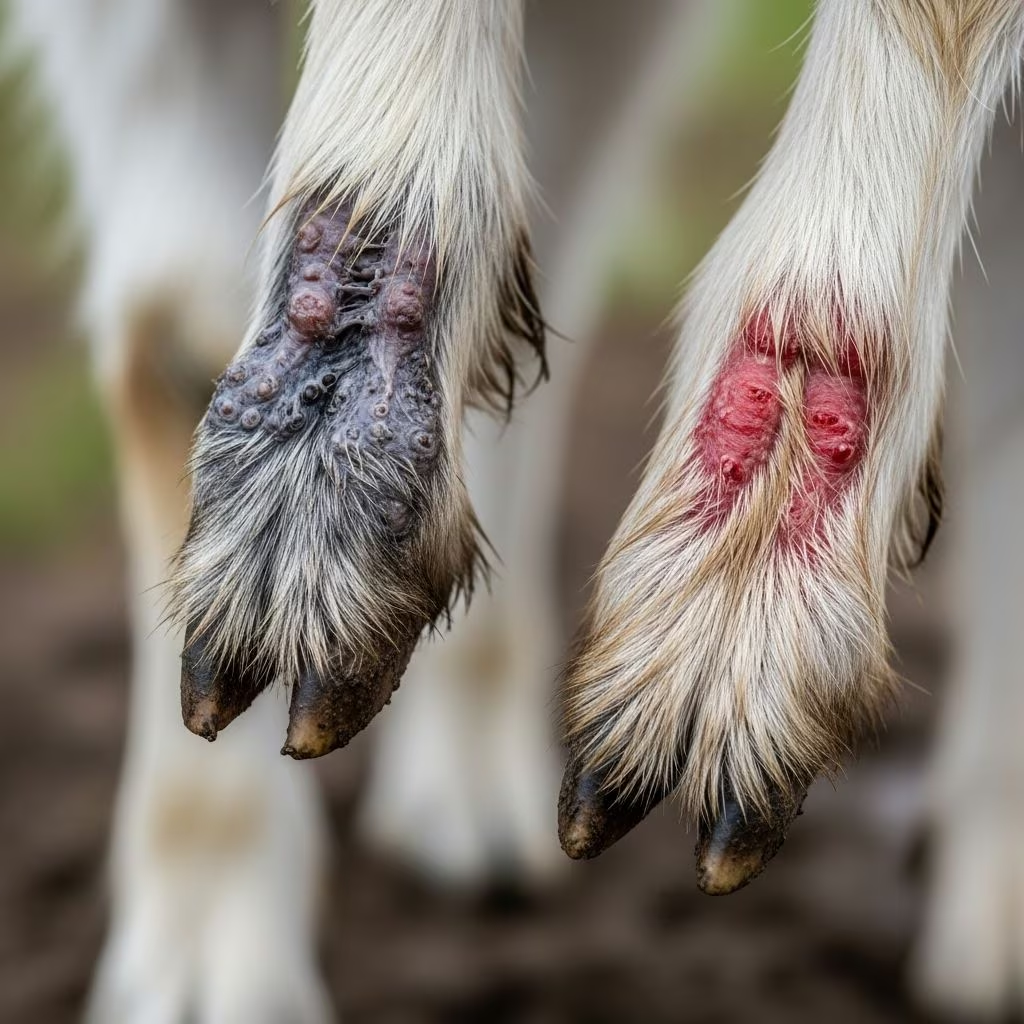
Foot rot and foot scald represent two interconnected yet distinct hoof conditions that significantly impact goat health, leading to lameness and reduced productivity. Foot scald involves inflammation between the toes, while foot rot progresses to deeper tissue invasion, both thriving in moist environments.
Understanding the Bacterial Culprits
The primary pathogen behind these issues is Fusobacterium necrophorum, a soil-dwelling bacterium that irritates the skin between a goat’s toes, especially under wet, muddy conditions. This bacterium alone causes foot scald, characterized by raw, sensitive interdigital skin. For true foot rot to develop, Dichelobacter nodosus must join the infection. This goat-specific bacterium invades the hoof matrix, causing separation of the hoof wall from the underlying tissue.
Strains of D. nodosus vary in virulence. Benign strains lead to milder symptoms resembling scald, while virulent ones, marked by a specific protease gene (AprV2), cause extensive damage. Goats often experience less severe forms compared to sheep, rarely advancing beyond benign foot rot.
Environmental Triggers and Risk Factors
Moist, warm conditions between 50°F and 70°F create ideal breeding grounds for these bacteria, particularly in areas with accumulated manure and mud. Goats standing in contaminated pens or on sharp, stony pastures suffer microtraumas that allow bacterial entry. Nutritional shortfalls in copper, zinc, or selenium weaken hoof integrity and immunity, exacerbating susceptibility.
- Prolonged exposure to wet bedding or soil.
- Injuries from rough terrain or freshly mowed fields.
- High stocking density promoting bacterial spread.
- Chapped skin from humidity cracks.
These factors explain seasonal outbreaks, with higher incidence during rainy periods.[10]
Recognizing Clinical Signs Early
Early detection is crucial for limiting spread. Initial symptoms include mild limping or reluctance to walk, progressing to holding feet off the ground or grazing on knees in severe cases. Foot scald presents as pinkish-white, moist, tender skin between toes, highly sensitive to touch.
Foot rot escalates with a characteristic foul odor, under-running of the hoof wall, and separation exposing sensitive corium. Affected goats show weight loss, reduced milk yield, and breeding disinterest due to pain.
| Condition | Symptoms | Severity |
|---|---|---|
| Foot Scald | Interdigital redness, moisture, sensitivity | Mild, non-contagious |
| Foot Rot | Hoof separation, odor, lameness, tissue necrosis | Severe, contagious |
Comprehensive Diagnostic Approaches
Veterinarians confirm diagnoses by examining hooves for characteristic lesions, ruling out differentials like abscesses or foreign bodies. Bacterial culture or PCR testing identifies D. nodosus strains, distinguishing virulent from benign infections. Goats may not show advanced rot, so clinical history and environmental assessment are key.
Effective Treatment Protocols
Treatment combines mechanical debridement, topical therapies, and systemic antibiotics. Start by isolating affected goats to prevent spread.
- Hoof Trimming: Use clean shears to remove necrotic tissue, exposing healthy areas to air.
- Footbaths: Immerse hooves in 10% zinc sulfate or copper sulfate for 15-60 minutes weekly. Zinc is safer for goats, avoiding copper toxicity risks. Repeat every 5-7 days, followed by dry bedding for 24 hours.
- Antibiotics: Administer long-acting options like penicillin, tetracyclines, or macrolides targeting D. nodosus. Improvement occurs within 3-4 days; consult vets for dosing.
- Supportive Care: Anti-inflammatories for pain, plus nutritional supplements for zinc and copper.
For herd outbreaks, treat exposed groups separately: trim, bathe, and monitor on clean ground. Cull chronic cases unresponsive after 8 weeks.
Holistic and Natural Management Options
Complement conventional methods with natural soaks like Epsom salts to reduce swelling or stronger zinc solutions for antisepsis. Maintain dry lots post-treatment to hinder reinfection.
Prevention Strategies for Long-Term Control
Proactive management minimizes outbreaks. Key steps include:
- Regular hoof trimming every 4-6 weeks.
- Rotate pastures to avoid bacterial buildup; quarantine new arrivals.
- Ensure balanced nutrition with trace minerals.[10]
- Footbath routines during wet seasons using zinc sulfate.
- Vaccination where available, though efficacy varies by strain.
Clean, dry environments are paramount—elevate feeders, use well-drained lots.[10]
Impact on Goat Production and Welfare
Untreated infections slash weight gains, milk output, and fertility, costing producers significantly. Lame goats endure pain, affecting overall welfare. Vigilant care restores mobility, boosting herd performance.
FAQs
What is the difference between foot rot and foot scald in goats?
Foot scald is superficial inflammation from F. necrophorum, while foot rot involves deeper invasion by D. nodosus.
Can goats recover fully from foot rot?
Yes, with prompt treatment including trimming, footbaths, and antibiotics, most recover in days to weeks.
Is copper sulfate safe for goat footbaths?
Use cautiously; it’s effective but potentially toxic if ingested. Zinc sulfate is preferable.
How do I prevent foot rot in my goat herd?
Focus on dry conditions, regular trims, nutrition, and biosecurity.[10]
Does foot rot spread between species?
Primarily sheep and goats, but similar bacteria affect cattle.[10]
References
- Foot Rot in Cattle Sheep and Goats — PBS Animal Health. 2023. https://www.pbsanimalhealth.com/blog/learning-center/b/foot-rot-in-cattle-sheep-and-goats/
- Tactics to win the battle against foot rot — Michigan State University Extension. 2022-10-12. https://www.canr.msu.edu/news/tactics-to-win-the-battle-against-foot-rot
- Managing Foot Rot and Scald in Goats and Sheep — Alabama Cooperative Extension System. 2023. https://www.aces.edu/blog/topics/animals-urban/managing-foot-rot-and-scald-in-goats-and-sheep/
- Footrot in Sheep and Goats — Purdue Extension. 2008. https://www.extension.purdue.edu/extmedia/As/As-596-footrot.pdf
- Natural Strategies for Preventing and Managing Hoof Rot in Goats — Bite Me Goat Treats. 2024. https://bitemegoattreats.com/holistic-hoof-health-natural-strategies-for-preventing-and-managing-hoof-rot-in-goats/
- Footrot – Veterinary handbook for cattle, sheep and goats — Veterinary Handbook. 2023. https://www.veterinaryhandbook.com.au/Diseases.aspx?diseasenameid=104
- 10 Ways to Prevent Foot Rot on Your Farm — University of Arkansas Extension. 2023. https://www.uaex.uada.edu/farm-ranch/animals-forages/sheep-goats/small-ruminants-blog/posts/prevent-foot-rot.aspx



