
Foot Abscesses In Sheep: 4 Effective Treatments & Prevention
Comprehensive guide to identifying, treating, and preventing painful foot abscesses that cause lameness in sheep flocks.
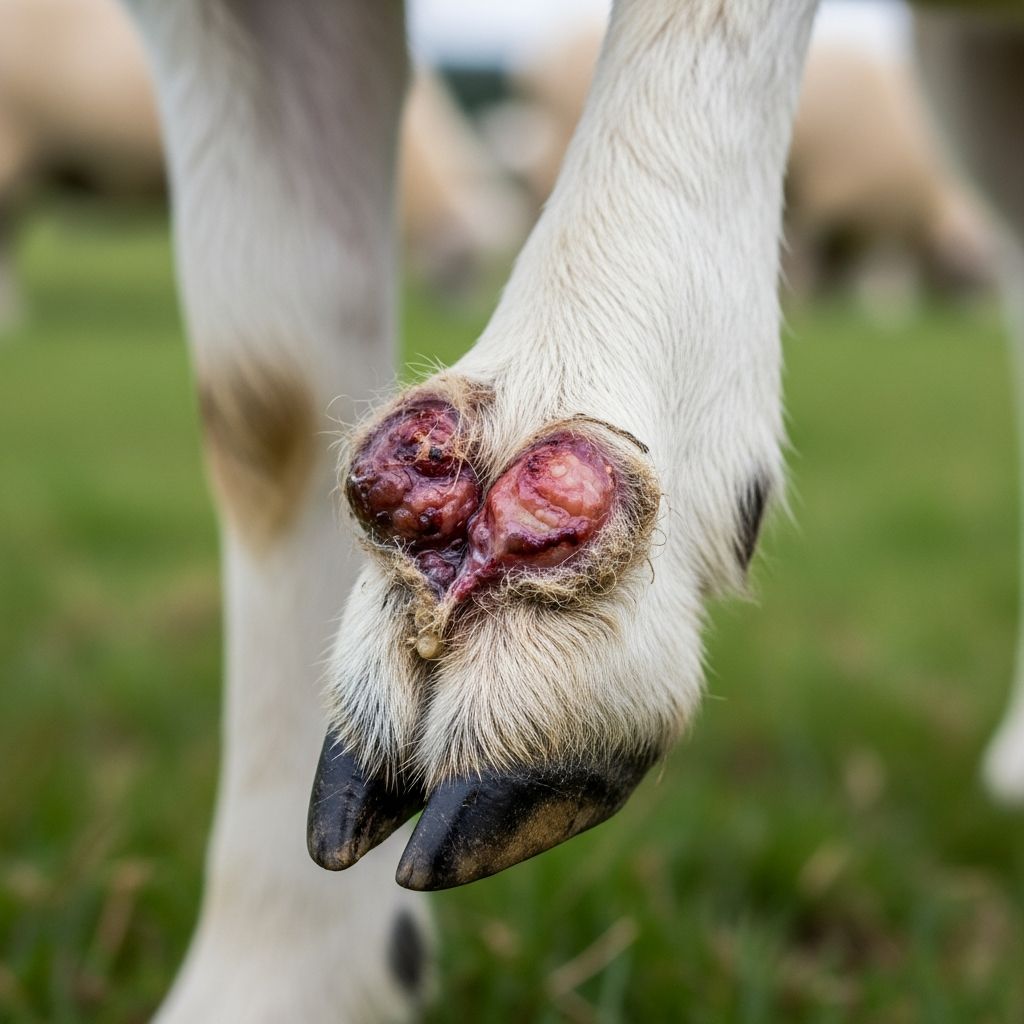
Foot abscesses represent a significant health challenge in sheep production, leading to acute lameness that hampers grazing and overall productivity. These infections typically arise from bacterial entry through foot injuries, exacerbated by wet environments, and demand prompt intervention to minimize economic losses.
Understanding the Nature of Foot Abscesses
Foot abscesses in sheep are suppurative infections affecting the soft tissues, phalanges, and interphalangeal joints of the foot. Unlike contagious conditions like footrot, these are often sporadic and isolated to individual animals or small groups, though outbreaks can occur under favorable conditions. The infection creates pockets of pus that build pressure, causing intense pain and reluctance to bear weight on the affected limb.
Two primary forms dominate: heel abscesses and toe abscesses. Heel abscesses commonly target the hind feet, particularly the area just above the hoof where swelling, heat, and pain manifest. Toe abscesses more frequently impact front feet, with the infection tracking upward along tissue planes until bursting through the coronary band. Both types result from environmental bacteria invading compromised foot integrity.
Root Causes and Risk Factors
Bacteria commonly found in soil, feces, and gut flora—such as Fusobacterium necrophorum and other anaerobes—trigger these abscesses. Entry points include minor injuries from rough terrain, stubble grazing, or prolonged exposure to wet, muddy conditions that soften the hoof and interdigital skin.
Key risk factors include:
- Wet seasons and muddy paddocks: Prolonged moisture damages skin between claws, facilitating bacterial invasion.
- Heavy body condition: Overfat sheep, especially twin-bearing ewes, bear more weight on feet, increasing injury risk.
- High clover pastures: Associated with elevated odds of infection, possibly due to softer ground or dietary influences.
- Soil type: Basalt-derived soils heighten risk compared to shale or slate.
- Management practices: Moving sheep during lambing or accessing wet cereal crops post-plowing promotes dermatitis and abscess formation.
Research confirms wet weather and clover dominance significantly elevate incidence, with odds ratios up to 7.89 for rainy seasons.
Recognizing Clinical Signs
Early detection is crucial as affected sheep rapidly lose condition from reduced grazing. Signs progress from subtle to severe:
| Abscess Type | Common Location | Key Symptoms |
|---|---|---|
| Heel Abscess | Hind foot, above hoof | Lameness, swelling, heat, pain; often one foot; pus discharge via sinus |
| Toe Abscess | Front foot | Acute lameness; abscess tracks to coronary band; rapid pus release post-paring |
Animals show marked reluctance to walk, knuckle over, or rest the foot. In advanced cases, pregnant ewes risk toxemia from nutritional deficits. Swelling may extend proximally, with foul odor if ruptured.
Effective Treatment Approaches
Treatment focuses on drainage, infection control, and pain relief. Isolate affected sheep and move to dry areas immediately.
- Foot Trimming and Drainage: Carefully pare the hoof to expose and drain pus. For toe abscesses, this alone often suffices for recovery. Heel abscesses may require deeper intervention.
- Topical Care: Clean with antibacterial disinfectants, apply ointments, and bandage. Zinc sulfate foot baths aid healing.
- Systemic Antibiotics: Long-acting, broad-spectrum options like procaine penicillin or oxytetracycline for severe cases. Combine with NSAIDs (e.g., flunixin meglumine) for pain.
- Supportive Measures: Ensure access to clean, dry bedding; monitor for recurrence.
Veterinary consultation is essential, especially for recurrent or multiple-foot cases. Success rates are high with early action, preventing chronic lameness or joint involvement.
Prevention Strategies for Flock Health
Proactive management curbs outbreaks. Core practices include:
- Regular foot inspections and paring to maintain hoof condition.
- Avoiding wet, muddy yards or laneways, particularly for pregnant ewes.
- Rotational grazing to minimize soil compaction and moisture retention.
- Foot baths with zinc sulfate or formalin during high-risk periods.
- Weight management to prevent obesity in breeding stock.
- Quarantine new arrivals and monitor after flooding or wet spells.
While foot baths and antibiotics indicate higher farm prevalence, routine use in prevention protocols reduces incidence.
Impact on Sheep Production
Foot abscesses inflict substantial losses: reduced weight gain, milk production drops in ewes, and culling of chronic cases. Lame sheep graze poorly, leading to condition loss and lambing complications. In flocks, even low prevalence disrupts mustering and handling. Economic modeling underscores the value of prevention, with wet-season vigilance yielding high returns.
Breeds vary in susceptibility; heavier meat breeds like Suffolks face higher risks than lighter wool types, tied to foot conformation and weight load.
Diagnostic Tools and Differential Diagnosis
Confirm via clinical exam: probe sinuses, express pus for culture if needed. Differentiate from footrot (interdigital dermatitis, contagious), white line disease, or shelly hoof. Footrot spreads rapidly with odor; abscesses are localized. Radiographs aid deep infections; ultrasound detects abscess extent.
FAQs
What is the most common cause of foot abscess in sheep?
Bacterial invasion through injured or wet foot tissue, often from environmental Fusobacterium.
How quickly should I treat a suspected abscess?
Immediately—delays risk joint damage and toxemia in ewes.
Are foot abscesses contagious?
No, unlike footrot; they stem from opportunistic bacteria, not direct sheep-to-sheep spread.
Can I prevent abscesses in wet climates?
Yes, via dry housing, regular trimming, and foot baths.
What antibiotics work best?
Procaine penicillin or oxytetracycline; consult a vet for dosing.
Advanced Management for Commercial Flocks
Large operations benefit from biosecurity protocols: dedicated foot-trimming crews with disinfection between animals, record-keeping for early detection, and selective breeding for robust hoof traits. Integrating lameness scoring systems (e.g., 0-5 scale) during routine checks flags issues proactively. Nutritional balancing—avoiding excess energy pre-lambing—curbs obesity risks.
In regions with frequent rain, infrastructure investments like elevated platforms or improved drainage pay dividends. Vaccination against associated bacteria shows promise in trials, though not standard.
References
- Foot Problems In Small Ruminants — Cameron Veterinary Services. Accessed 2026. https://www.cameronvets.com/foot-problems-in-alpacas-and-sheep/
- Foot abscess in sheep — Business Queensland. Accessed 2026. https://www.business.qld.gov.au/industries/farms-fishing-forestry/agriculture/disaster/flood/recovery/animal-health/foot-diseases/sheep-foot-abscess
- Foot abscess in sheep — NSW Department of Primary Industries. 2018-02-01. https://www.dpi.nsw.gov.au/__data/assets/pdf_file/0013/314410/Foot-abscess-in-sheep.pdf
- Foot abscess in sheep: Evaluation of risk factors — PubMed/NCBI. 2015-11-01. https://pubmed.ncbi.nlm.nih.gov/26588870/
- Foot Abscess — Veterinary Handbook. Accessed 2026. https://www.veterinaryhandbook.com.au/Diseases.aspx?diseasenameid=99
- SHEEP FOOT CARE AND DISEASES — University of Kentucky. Accessed 2026. https://publications.mgcafe.uky.edu/sites/publications.ca.uky.edu/files/asc129.htm
- Lameness and Other Foot Problems — Zoetis. Accessed 2026. https://www2.zoetis.com.au/livestock-solutions/sheep/optimise-ewe-health/lameness-and-other-foot-problems
Similar Articles








Read full bio of Sneha Tete


