

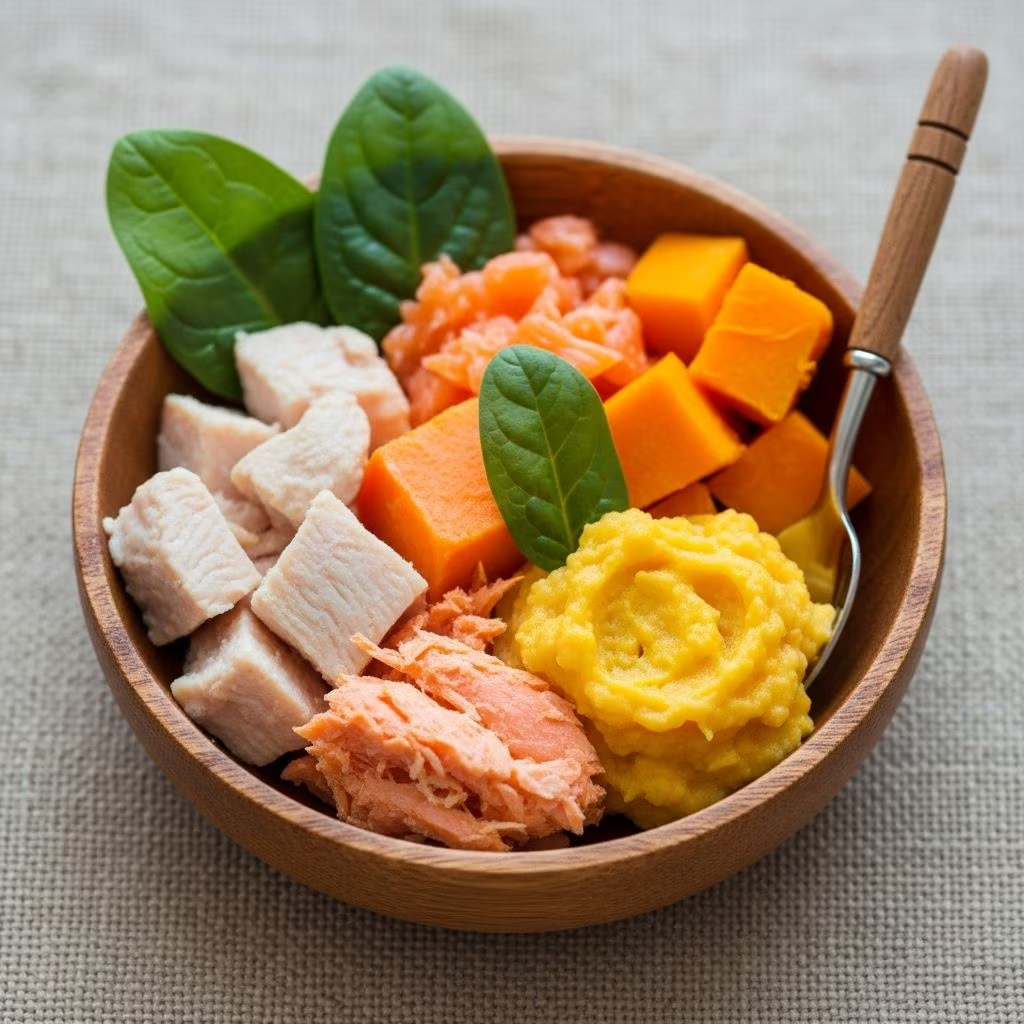
Potassium is a crucial electrolyte for cats, supporting nerve impulses, muscle contractions including the heart, and fluid balance. Cats require dietary potassium since they cannot produce it, and deficiencies known as hypokalemia can lead to serious health issues like weakness and cardiac problems.
What Is Potassium and Why Do Cats Need It?
Potassium functions as an essential mineral and electrolyte vital for numerous physiological processes in cats. It regulates electrical gradients across cell membranes, enabling proper nerve signaling and muscle function. In feline health, potassium maintains heart rhythm, supports kidney filtration, and aids in acid-base balance.
Cats obtain potassium primarily from their diet, with natural sources abundant in meat, poultry, and fish found in complete commercial cat foods. Healthy kidneys conserve potassium effectively, but in chronic kidney disease (CKD), excessive urinary loss occurs, depleting levels and exacerbating the condition.
Hypokalemia (Low Potassium) in Cats: Symptoms and Causes
Hypokalemia occurs when blood potassium drops below normal, often below 3.5 mEq/L, leading to clinical signs from mild weakness to life-threatening arrhythmias.
Common Symptoms of Potassium Deficiency
- Muscle weakness and fatigue, progressing to inability to jump or walk
- Poor appetite, weight loss, and anorexia
- Vomiting, diarrhea, and increased thirst/urination
- Cardiac irregularities like arrhythmias and breathing difficulties
- Poor coat quality, growth issues in kittens, and neurological problems like poor coordination
Causes of Hypokalemia
Several conditions predispose cats to low potassium:
- Chronic kidney disease (most common), causing urinary potassium loss
- Gastrointestinal diseases with fluid loss from vomiting/diarrhea
- Diabetes mellitus, hyperaldosteronism, and certain cancers
- Prolonged anorexia, poor diets low in potassium, or specific medications
- Genetic predisposition in Burmese and related breeds
Diagnosis involves blood tests confirming low serum potassium alongside clinical signs.
Foods High in Potassium for Cats
Incorporating potassium-rich foods can help maintain levels, especially as safe treats or toppers for commercial diets. Always feed plain, cooked meats without bones, skin, salt, or seasonings, and limit treats to 10% of daily calories. Consult a vet before changes, particularly for cats with health issues.
1. Fish
Fish like salmon and tuna offer high potassium alongside omega-3 fatty acids beneficial for inflammation and coat health. A 100g serving of cooked salmon provides about 363mg potassium. Feed canned in water (not oil or brine) or cooked fillets occasionally. Avoid raw fish due to thiaminase which depletes vitamin B1.
2. Chicken
Plain boiled or baked chicken breast is a lean protein with approximately 220mg potassium per 100g. It’s highly palatable and digestible, ideal for encouraging appetite in ill cats. Remove all skin and bones to prevent choking or pancreatitis.
3. Lean Meats
Turkey, lamb, duck, and other lean meats supply potassium (around 250-300mg/100g) and complete proteins. Cook thoroughly to eliminate bacteria risks; raw feeding requires veterinary guidance.
4. Pumpkin
Canned pure pumpkin (not pie filling) contains about 340mg potassium per cup and soluble fiber aiding digestion. Small amounts (1-2 tsp daily) help with constipation or diarrhea without excess calories.
5. Bananas
Bananas provide 358mg potassium per medium fruit but must be given sparingly due to high sugar. Mash a tiny slice (pea-sized) as an occasional treat; most cats find it unappealing anyway.
6. Kidney Prescription Diets
Veterinary therapeutic diets for CKD are fortified with higher potassium to counter urinary losses, alongside reduced phosphorus and sodium. Studies show these diets slow CKD progression and prevent acidosis. Brands like those from VCA-recommended lines are tailored for early or advanced stages.
Table: Potassium Content in Cat-Safe Foods (per 100g cooked)
| Food | Potassium (mg) | Notes |
|---|---|---|
| Salmon | 363 | Rich in omega-3s |
| Chicken Breast | 220 | Lean protein source |
| Turkey | 249 | Low-fat option |
| Pumpkin | 340 (per cup) | Fiber bonus |
| Banana | 358 | Tiny amounts only |
Note: Values approximate; complete nutrition from balanced cat food essential.
Treatment and Prevention of Hypokalemia
Treatment targets the underlying cause while supplementing potassium. Severe cases require IV fluids with added potassium in hospital. Oral supplements like potassium gluconate gel or powder (2-3 times daily) for chronic cases.
Prevention includes:
- Feeding AAFCO-complete diets rich in natural potassium sources
- Ensuring hydration with wet foods or fountains
- Regular vet checkups for at-risk cats (seniors, CKD)
- Monitoring appetite and weight in multi-cat homes or illness
Special Considerations for Cats with CKD
Cats with CKD urgently need potassium supplementation as kidneys fail to retain it. Therapeutic diets increase potassium while moderating protein and phosphorus. Research confirms these extend quality life by managing electrolyte imbalances. Transition gradually over 7-10 days.
Frequently Asked Questions (FAQs)
Can all cats eat bananas for potassium?
Bananas are safe in tiny amounts but not ideal due to sugar; prioritize meats.
Is pumpkin safe daily for cats?
Yes, 1-4 tsp aids digestion and provides potassium without harm.
How do I know if my cat has low potassium?
Look for weakness, poor appetite; blood test confirms.
Should I give potassium supplements without vet advice?
No, overdose risks hyperkalemia; always consult vet.
Are commercial cat foods enough potassium?
Yes for healthy cats; CKD cats need specialized formulas.
Final Thoughts
Maintaining potassium balance is key to feline vitality. While foods like fish, chicken, and pumpkin offer natural boosts, they complement—not replace—balanced diets. For cats showing deficiency signs or with conditions like CKD, veterinary guidance ensures safe, effective management. Prioritize hydration, quality nutrition, and routine bloodwork for long-term health.
References
- 6 Foods High in Potassium for Cats (Vet Answer) — Hepper. 2023. https://articles.hepper.com/foods-high-in-potassium-for-cats-vet-answer/
- Low Blood Potassium (Hypokalemia) in Cats — Cats.com. 2024. https://cats.com/low-blood-potassium-in-cats
- Nutrition for Cats with Chronic Kidney Disease — VCA Animal Hospitals. 2024. https://vcahospitals.com/know-your-pet/nutrition-for-cats-with-chronic-kidney-disease
- Low Blood Potassium (Hypokalemia) in Cats — PetCareRx. 2023. https://www.petcarerx.com/article/low-blood-potassium-hypokalemia-in-cats/6889
- The Ultimate Guide to Senior Cat Nutrition — Haw Creek Animal Hospital. 2024. https://www.hawcreekanimalhospital.com/senior-cat-nutrition-101/
- Hypokalemia in Cats — PetMD. 2024. https://www.petmd.com/cat/conditions/cardiovascular/hypokalemia-cats



