

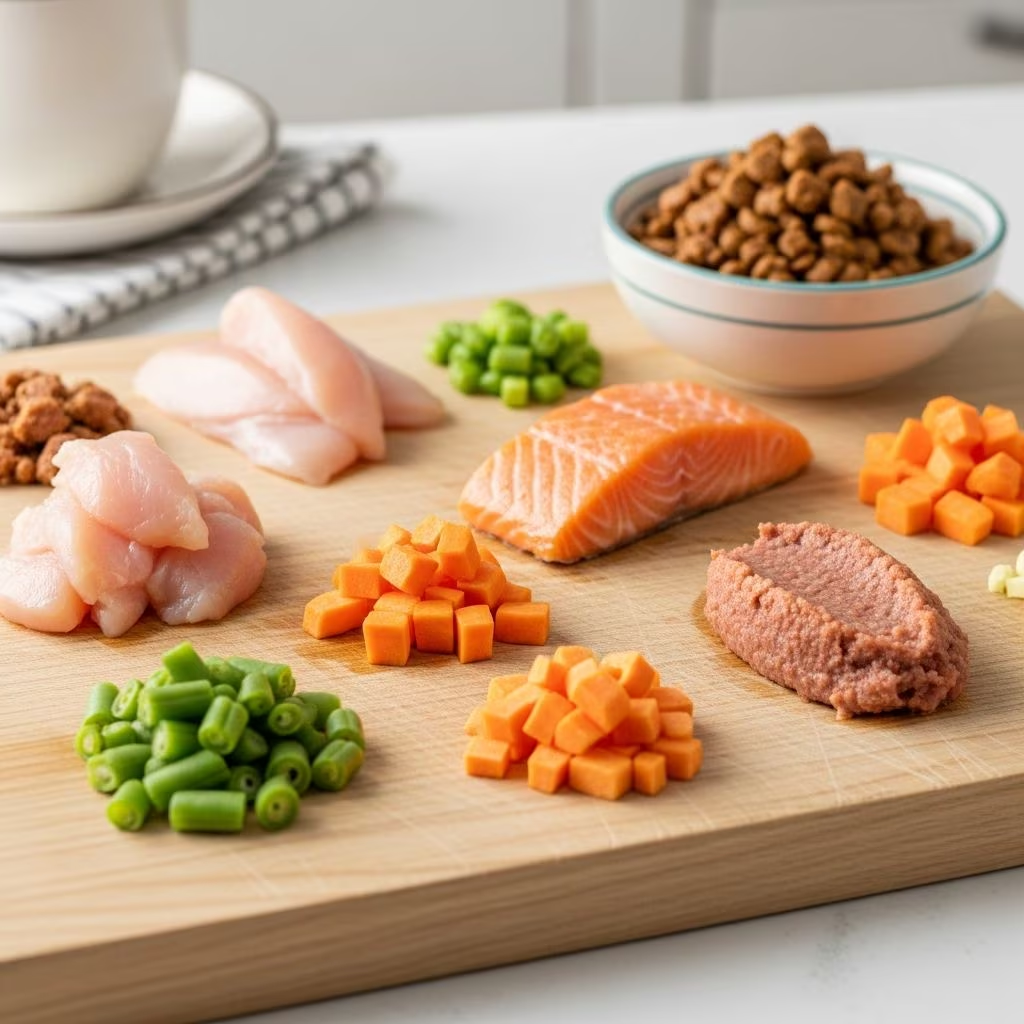
Chronic kidney disease (CKD) affects many older cats, requiring specialized nutrition to manage symptoms, slow progression, and maintain quality of life. Therapeutic renal diets focus on controlled levels of key nutrients like phosphorus, high-quality protein, omega-3 fatty acids, and adequate hydration.
What Is Kidney Disease in Cats?
Chronic kidney disease, also known as renal failure, occurs when a cat’s kidneys gradually lose their ability to filter waste from the blood. This leads to toxin buildup, causing symptoms like increased thirst, weight loss, poor appetite, vomiting, and lethargy. CKD is staged by the International Renal Interest Society (IRIS) from stage 1 (mild) to stage 4 (severe), with nutritional management recommended at all stages to support kidney function.
Cats with CKD often experience azotemia (elevated blood urea nitrogen and creatinine), hyperphosphatemia (high phosphorus), and dehydration. Early diagnosis via bloodwork, urinalysis, and imaging allows for dietary interventions that can extend life expectancy and improve well-being.
Why Diet Matters for Cats with Kidney Disease
Diet plays a crucial role in CKD management by reducing the kidneys’ workload, minimizing waste products, and addressing nutrient imbalances. Evidence shows that renal diets can slow disease progression, reduce clinical signs like uremia and anemia, and enhance survival rates.
Key benefits include lowering phosphorus to prevent mineralization of kidney tissues, providing digestible proteins to preserve muscle mass without excess nitrogenous waste, and supplementing omega-3s for anti-inflammatory effects. Unlike maintenance diets, renal foods are formulated to meet IRIS guidelines for plasma phosphate levels: 2.7-4.6 mg/dL in stage 2, under 5 mg/dL in stage 3, and under 6 mg/dL in stage 4.
Key Nutrients in Renal Diets for Cats
Renal diets are tailored with specific nutrient profiles. Here’s a breakdown:
- Protein: Contrary to old myths, cats with CKD need high-quality, moderate protein—not restriction—to maintain muscle, immunity, and coat health. Low-quality or insufficient protein risks malnutrition. Aim for digestible animal proteins with optimal amino acid profiles.
- Phosphorus: The primary nutrient to restrict (0.4-1.35 g/1000 kcal in cat renal diets vs. >1.5 g/1000 kcal in maintenance foods). Low phosphorus slows hyperphosphatemia and kidney damage. Use muscle meats low in bone phosphorus.
- Omega-3 Fatty Acids (EPA + DHA): Doses of 40 mg/kg EPA + 25 mg/kg DHA daily promote glomerular filtration, reduce inflammation, and improve blood flow. Therapeutic levels (e.g., 1.16-1.18 g/1000 kcal) are standard in renal foods.
- Sodium: Moderately reduced (0.5-1 g/1000 kcal) to manage blood pressure without excessive restriction, which can harm appetite.
- Potassium: Supplemented (1.4-2.6 g/1000 kcal) to combat hypokalemia, common in CKD cats, preventing weakness and anorexia. Monitor and supplement if needed.
- Other: Antioxidants (vitamins C/E), soluble fiber for urea utilization, and balanced fat for calories.
Nutrient Comparison Table
| Nutrient | Maintenance Diet | Renal Diet (Cats) | Benefit |
|---|---|---|---|
| Phosphorus | >1.5 g/1000 kcal | 0.4-1.35 g/1000 kcal | Reduces kidney strain |
| Protein | High, variable quality | Moderate, high digestibility | Maintains muscle |
| Omega-3 (EPA+DHA) | Low/none | 40+ mg/kg | Anti-inflammatory |
| Potassium | Standard | 1.4-2.6 g/1000 kcal | Prevents hypokalemia |
| Sodium | Higher | 0.5-1 g/1000 kcal | BP control |
Best Commercial Renal Foods for Cats
Veterinary prescription diets are proven effective. Top options include:
- Purina Pro Plan Veterinary Diets NF Kidney Function: Low phosphorus (0.43%), moderate protein, omega-3 enriched. Early care formula suits stage 1-2.
- Royal Canin Veterinary Diet Renal Support D: Phosphorus 0.44%, palatable loaf style, added potassium and EPA/DHA.
- Hill’s Prescription Diet k/d: Clinically proven to extend life; low phosphorus, high-quality protein, antioxidants.
- Ziggy Vet IRC (Wet): Very low phosphorus, quality proteins, high EPA/DHA; vet-recommended for hydration.
Prefer wet pâté over kibble for 70-80% moisture content, aiding hydration and reducing urine concentration.
Home-Cooked and Homemade Diet Options
Home-prepared diets can work under veterinary nutritionist guidance (find at acvn.org). Focus on low-phosphorus ingredients: muscle meats (chicken, turkey, rabbit), egg whites, rice, and omega-3 supplements. Avoid bones, organ meats high in phosphorus. Example recipe: boiled chicken breast, white rice, fish oil—but analyze for nutrient balance.
Risks include imbalances; always consult a board-certified nutritionist. Phosphorus binders (e.g., aluminum hydroxide) may be added if needed.
Transitioning Your Cat to a Renal Diet
Abrupt changes cause refusal. Transition over 7-10 days:
- Days 1-3: 25% renal food + 75% old food.
- Days 4-6: 50/50 mix.
- Days 7-9: 75% renal + 25% old.
- Day 10: 100% renal.
Warm food, add low-sodium broth, or hand-feed if picky. Monitor weight and appetite.
Hydration and Feeding Tips
Dehydration worsens CKD. Strategies:
- Wet Food: Provides essential moisture; aim for multiple daily meals.
- Water Sources: Fountains, multiple bowls, flavored water (tuna juice, low-sodium chicken broth).
- Subcutaneous Fluids: Vet-administered as needed.
- Feeding Frequency: 4-6 small meals to reduce nausea.
Track intake; assisted feeding or appetite stimulants if refusal persists.
Supplements for Cats with Kidney Disease
- Omega-3: If diet lacks, 40 mg/kg EPA + 25 mg/kg DHA.
- Potassium: Gluconate (2 mEq/kg BID) or citrate if low.
- Phosphorus Binders: Vet-prescribed for refractory cases.
- Antioxidants: Often in diets; avoid excess vitamin A/D.
Never supplement without bloodwork.
Monitoring Your Cat’s Progress
Regular vet check-ups: bloodwork every 3-6 months for BUN, creatinine, phosphorus, potassium. Weigh monthly; adjust calories for body condition. Signs of improvement: better appetite, stable weight, reduced thirst.
Frequently Asked Questions (FAQs)
What are the best foods for cats with kidney disease?
Veterinary renal diets like Purina NF, Royal Canin Renal Support, and Hill’s k/d are top choices, emphasizing low phosphorus and high-quality protein.
Should I restrict protein in my cat’s kidney diet?
No—use moderate, high-quality protein to avoid muscle loss. Restriction lacks evidence and risks health.
Is wet or dry food better for CKD cats?
Wet food is superior for hydration and phosphorus control.
How much omega-3 do CKD cats need?
40 mg/kg EPA + 25 mg/kg DHA daily.
Can homemade diets treat cat kidney disease?
Possible with nutritionist oversight, but commercial renal foods are safer and evidence-based.
How do I know if the diet is working?
Monitor blood phosphorus (IRIS targets), weight, and symptoms with vet.
This comprehensive guide empowers cat owners to support feline kidney health through informed nutrition. Always partner with your veterinarian for personalized plans.
References
- The best diet for a cat living with chronic kidney disease? — Ziggy Family. 2023. https://ziggyfamily.com/en/blogs/cats/the-best-diet-for-a-cat-living-with-chronic-kidney-disease
- Nutritional Management of Chronic Kidney Disease in Cats & Dogs — Today’s Veterinary Practice (ACVN Notes). 2015-11-01. https://todaysveterinarypractice.com/nutrition/acvn-nutrition-notesnutritional-management-of-chronic-kidney-disease-in-cats-dogs/
- Chronic Kidney Disease in Cats — Vet Specialists. 2024-02-08. https://www.vetspecialists.com/vet-blog-landing/animal-health-articles/2024/02/08/ChronicKidneyDisease-in-cats
- Canned Food Data USA — FelineCRF.org. Accessed 2026. https://www.felinecrf.org/canned_food_usa.htm
- IRIS Guidelines — International Renal Interest Society. Ongoing. https://www.iris-kidney.com/iris-guidelines-1



