

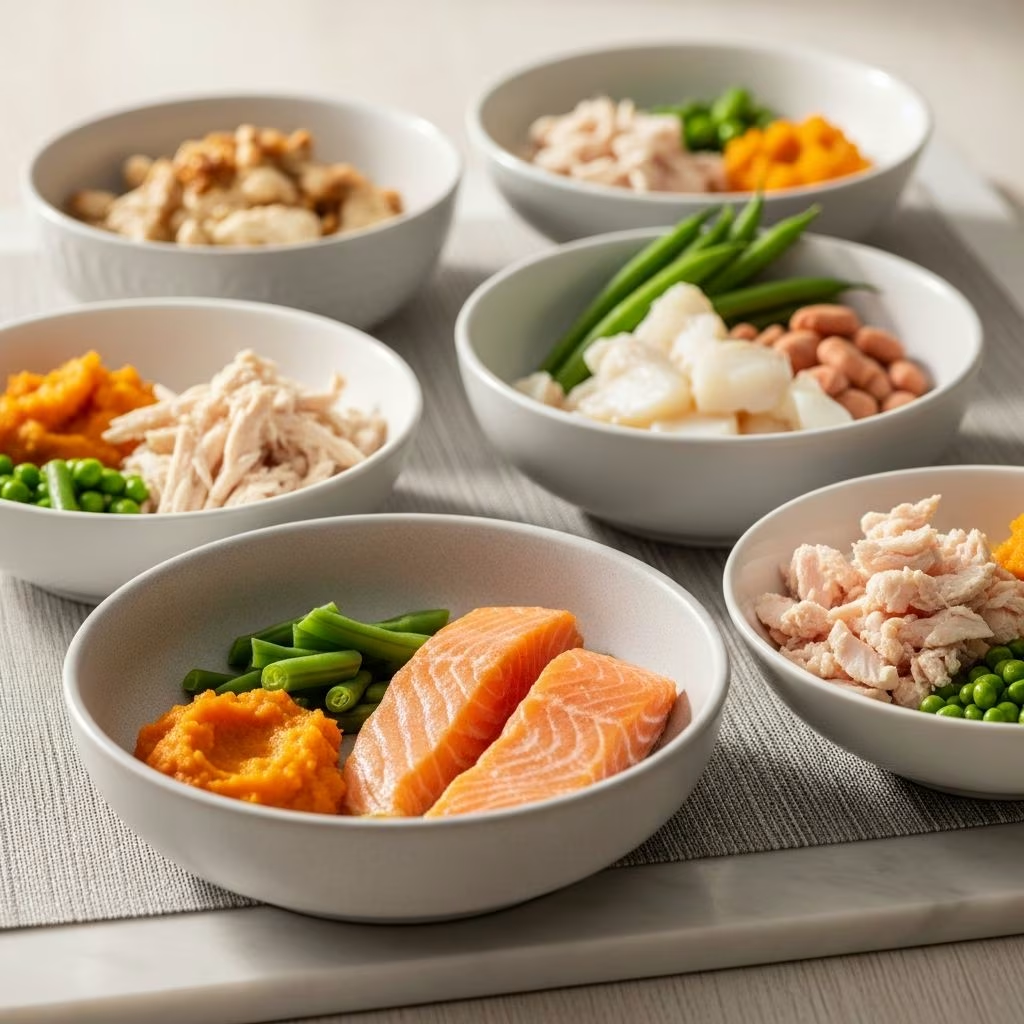
Chronic kidney disease (CKD) affects many older cats, but a specialized renal diet can significantly slow its progression, manage symptoms, and improve quality of life. Veterinary therapeutic diets formulated for kidney support are designed with reduced phosphorus, controlled protein of high quality, increased potassium, and omega-3 fatty acids to address the unique needs of cats with CKD.
What Is Kidney Disease in Cats?
Chronic kidney disease, also known as renal failure, occurs when a cat’s kidneys gradually lose their ability to filter waste products from the blood. This leads to a buildup of toxins like urea and phosphorus, causing symptoms such as increased thirst, weight loss, poor appetite, vomiting, and lethargy. CKD is common in cats over 7 years old, with prevalence increasing with age. Early detection through bloodwork and urinalysis allows for dietary interventions that can extend life expectancy and maintain muscle mass.
The kidneys regulate fluid balance, electrolytes, and acid-base status. In CKD, impaired function results in dehydration risks, mineral imbalances (especially phosphorus retention), and protein loss in urine. Nutritional management focuses on minimizing waste buildup while ensuring adequate nutrition to sustain body weight and vitality.
Why Is Diet So Important for Cats with Kidney Disease?
Diet plays a pivotal role in CKD management with four primary goals: controlling uremic toxins, balancing fluids and minerals, maintaining nutrition for stable weight, and slowing disease progression. Research shows cats on kidney support diets experience delayed CKD advancement, reduced metabolic acidosis, and better overall health compared to those on standard foods.
Key dietary adjustments target phosphorus restriction to prevent hyperphosphatemia, which exacerbates kidney damage. High-quality protein prevents muscle wasting without excess nitrogenous waste, while omega-3 fatty acids reduce inflammation. Proper hydration via wet foods combats dehydration, a common issue in CKD cats.
Key Nutritional Guidelines for Cats with CKD
Therapeutic renal diets differ from maintenance foods by having reduced phosphorus (0.3-0.5% dry matter), moderately reduced but highly digestible protein (28-35% dry matter), low sodium, supplemented potassium (1.4-2.6 g/1000 kcal), and elevated omega-3s (EPA + DHA at 40 mg/kg EPA + 25 mg/kg DHA daily).
- Protein: Contrary to myths, CKD cats need high-quality, digestible protein to maintain muscle, immunity, and coat health—not severe restriction. Low-protein diets risk malnutrition; aim for proteins with optimal amino acid profiles from muscle meat sources.
- Phosphorus: The most critical restriction; excess phosphorus damages kidneys. Use diets with low phosphorus-to-energy ratios, often achieved by minimizing bone/organ meats and grains.
- Omega-3 Fatty Acids: EPA and DHA (from fish oil) improve glomerular filtration, reduce inflammation, and support vascular health. Target 140 mg/kg body weight combined EPA+DHA.
- Potassium: CKD causes hypokalemia in cats due to urinary losses; supplemented diets prevent muscle weakness and anorexia.
- Sodium: Reduced to 0.5-1 g/1000 kcal to avoid hypertension and dehydration.
- Hydration: Wet foods preferred over kibble for 70-80% moisture content.
Best Commercial Foods for Cats with Kidney Disease
Veterinary prescription diets are formulated for early or advanced CKD. Early-stage options have moderate protein/phosphorus reductions; advanced have stricter controls. Always consult a vet for stage-appropriate choices.
| Brand/Product | Form | Key Features | Suitability |
|---|---|---|---|
| Purina Pro Plan Veterinary Diets NF Kidney Function | Canned/Dry/Liquid | Low P (0.43%), moderate protein (39%), high omega-3 | Early/Advanced CKD |
| Royal Canin Renal Support D | Canned | 0.44% P, palatable loaf, potassium supplemented | Early CKD |
| Hill’s Prescription Diet k/d | Canned/Dry | Reduced P/sodium, enhanced EPA/DHA, high palatability | Early/Advanced |
| Ziggy Vet IRC | Wet Pâté | High-quality muscle protein, very low P, high EPA/DHA | All stages, dehydration-prone |
These diets are palatable to combat anorexia; enhance with low-sodium broth if needed. Over-the-counter foods suffice for early CKD but lack optimized phosphorus binders.
Homemade and Alternative Diets: Proceed with Caution
Homemade diets risk nutrient imbalances without veterinary nutritionist guidance. They must match therapeutic profiles: low phosphorus (use egg whites, certain meats), high-quality protein, omega-3 supplements. Phosphorus binders (e.g., aluminum hydroxide) may be needed. Commercial diets are safer and evidence-based.
- Preferred proteins: Chicken breast, turkey, fish (low-P sources).
- Avoid: Bones, organ meats, grains high in phytic acid.
- Supplements: Fish oil for EPA/DHA, potassium gluconate if hypokalemic.
Transitioning Your Cat to a Kidney Diet
Abrupt changes cause refusal; transition over 7-10 days: 25% new food day 1-3, 50% day 4-6, 75% day 7-9, 100% day 10. Warm food, add toppers like tuna juice. Monitor weight, appetite, and bloodwork every 3-6 months.
Additional Tips for Managing CKD Through Nutrition
- Multiple fresh water sources, fountains to encourage drinking.
- Feed small, frequent meals to reduce toxin load.
- Monitor for hypokalemia; supplement as vet-directed (e.g., 2 mEq/kg potassium gluconate BID).
- Phosphorus binders if serum levels elevated despite diet.
- Annual senior wellness checks for early intervention.
FAQs
Can cats with kidney disease eat dry food?
Wet food is strongly preferred for hydration, but some high-quality dry renal diets exist. Combine with water additives if dry is chosen.
Should I restrict protein in my CKD cat’s diet?
No—use high-quality, moderate protein to avoid muscle loss. Restriction without quality risks health decline.
How much omega-3 do CKD cats need?
Approximately 40 mg/kg EPA + 25 mg/kg DHA daily, best from therapeutic diets or vet-approved supplements.
What if my cat refuses the renal diet?
Enhance palatability with warm water, broth, or rotate flavors. Consult vet for appetite stimulants if persistent.
Can diet alone cure kidney disease?
No, but it slows progression and manages symptoms effectively when combined with vet care.
Implementing a kidney support diet under veterinary guidance is one of the most impactful steps for your cat’s CKD management. Regular monitoring ensures adjustments for disease stage changes.
References
- Nutrition for Cats with Chronic Kidney Disease — VCA Animal Hospitals. 2023. https://vcahospitals.com/know-your-pet/nutrition-for-cats-with-chronic-kidney-disease
- The best diet for a cat living with chronic kidney disease — Ziggy Family. 2024. https://ziggyfamily.com/en/blogs/cats/the-best-diet-for-a-cat-living-with-chronic-kidney-disease
- Nutritional Management of Chronic Kidney Disease in Cats & Dogs — Today’s Veterinary Practice (ACVN Nutrition Notes). 2023. https://todaysveterinarypractice.com/nutrition/acvn-nutrition-notesnutritional-management-of-chronic-kidney-disease-in-cats-dogs/
- Chronic Kidney Disease in Cats — Vet Specialists. 2024-02-08. https://www.vetspecialists.com/vet-blog-landing/animal-health-articles/2024/02/08/ChronicKidneyDisease-in-cats
- Kidney Diets for Cats: What to Look for — PetMD. 2024. https://www.petmd.com/cat/nutrition/kidney-diets-cats-what-look



