

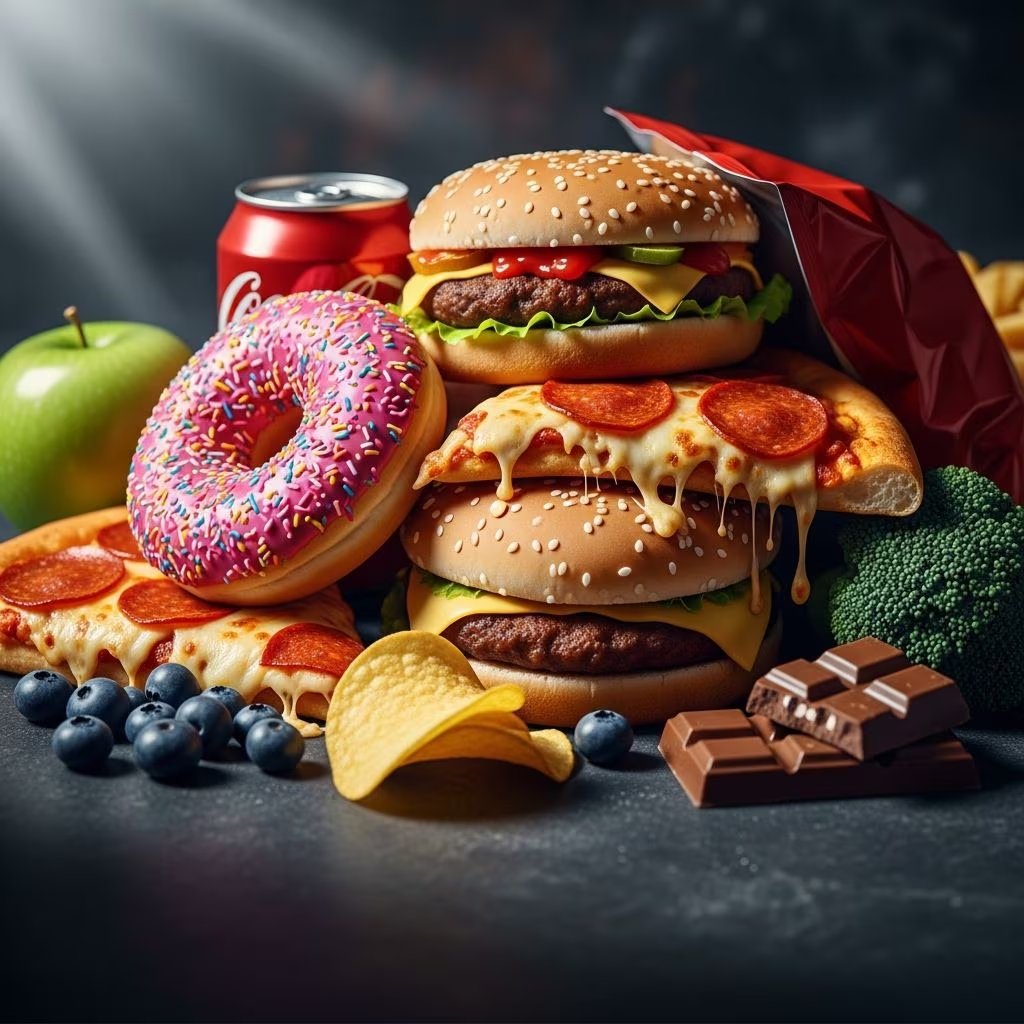
Managing diabetes in pets requires careful attention to diet, as certain foods can cause dangerous spikes in blood sugar levels. High-carbohydrate items, sugary treats, and fatty proteins top the list of items to eliminate, helping prevent complications like obesity and insulin resistance. This guide outlines key categories of problematic foods, explains their impact, and offers practical alternatives for balanced pet nutrition.
Understanding Diabetes in Pets and Diet’s Role
Diabetes mellitus affects many dogs and cats, impairing their ability to regulate blood glucose effectively. Unlike healthy pets, diabetic animals struggle to process carbohydrates efficiently, leading to elevated sugar levels that strain organs over time. Veterinary experts emphasize that diet is the cornerstone of management, alongside insulin therapy and exercise. Foods high in simple sugars or refined starches digest quickly, causing rapid glucose surges that exacerbate the condition. By avoiding these, pet owners can stabilize energy levels and reduce veterinary interventions.
According to guidelines from authoritative health sources, limiting processed and high-glycemic foods mirrors recommendations for human diabetes management but adapts to pet physiology. Pets metabolize fats differently, making saturated varieties particularly risky for weight gain and pancreatitis, common comorbidities in diabetic cases. Transitioning to low-carb, high-protein meals supports steady blood sugar and maintains muscle mass.
High-Carbohydrate Grains and Starches to Eliminate
Grains like white rice, corn, and wheat flour form the base of many commercial pet foods but pose significant risks for diabetic pets. These refined carbohydrates break down into glucose rapidly, overwhelming the pet’s impaired insulin response.
- White rice and pasta: Common fillers in kibble that spike blood sugar without nutritional density.
- Corn and wheat derivatives: Often listed as corn meal or wheat gluten, these contribute empty calories.
- Bread and baked goods: Even small pieces of human bread or crackers can trigger hyperglycemia.
Opt for grain-free options featuring peas or lentils in moderation, but consult a vet for personalized kibble selections. Whole grains like brown rice may be tolerable in tiny amounts for non-diabetic pets but should be off-limits here.
Sugary Treats and Sweeteners That Harm
Treats are a common pitfall, as many contain hidden sugars mimicking human snacks. Diabetic pets cannot handle these without severe glucose fluctuations.
- Candy, chocolate, and gummies: Toxic due to theobromine in chocolate and pure sugar content.
- Honey, syrups, and molasses: Natural sugars still convert to glucose rapidly.
- Fruit-based sweets: Dried fruits or fruit rolls pack concentrated sugars without fiber benefits.
Replace with vegetable-based chews like carrot sticks or green beans, which provide crunch without carbs. Commercial diabetic treats often use safe alternatives like pumpkin puree.
Impact of Sugary Drinks on Pets
Though pets rarely drink sodas, spilled sugary beverages or sweetened milk can tempt them. These cause immediate spikes and contribute to dehydration risks in diabetes.
Fatty Meats and Processed Proteins
Proteins should dominate a diabetic pet’s diet, but fatty or cured varieties hinder progress. Saturated fats promote insulin resistance and pancreatitis.
| Food to Avoid | Why It’s Risky | Healthier Swap |
|---|---|---|
| Bacon, sausage, hot dogs | High sodium, nitrates, and fats raise blood pressure and cholesterol | Boiled chicken breast |
| Fried meats or skin-on poultry | Excess calories lead to obesity; trans fats impair glucose uptake | Grilled turkey without skin |
| Organ meats like liver (in excess) | Cholesterol overload strains diabetic metabolism | Fish like salmon (baked) |
Processed meats also contain preservatives that stress kidneys, already vulnerable in diabetic pets. Lean, unprocessed proteins digest slowly, aiding blood sugar control.
Dairy Products: A Hidden Danger
Many pets are lactose intolerant, and full-fat dairy adds unnecessary carbs and fats. Even small amounts can upset digestion and elevate glucose.
- Whole milk and cream: Lactose ferments into sugar quickly.
- Cheese and butter: High saturated fat content promotes weight gain.
- Ice cream or yogurt with sugar: Double threat of dairy sugar and additives.
Dairy-free alternatives like coconut milk (unsweetened) or vet-approved protein powders work better. Some cats tolerate small amounts of low-lactose cheese, but monitoring is essential.
High-Sodium and Processed Snacks
Sodium exacerbates hypertension, a frequent diabetes companion. Processed snacks amplify this with minimal nutritional value.
- Chips, pretzels, and salted nuts: Sodium and refined carbs in one package.
- Canned soups or meats: Preservatives and salt overload kidneys.
- Fast food scraps: Fried and seasoned heavily, they invite multiple risks.
Fresh veggies or air-popped popcorn (plain) satisfy cravings safely. Always check labels on commercial treats for sodium under 100mg per serving.
Fats and Oils to Limit Strictly
Not all fats are equal; tropical oils and trans fats are particularly detrimental, increasing inflammation and heart disease risk.
- Coconut/palm oils: Saturated fats mimic animal fats’ effects.
- Margarine and shortenings: Trans fats disrupt cell membranes needed for insulin function.
- Fried foods: Absorb unhealthy oils during cooking.
Prioritize omega-3 rich fish oils or flaxseed for anti-inflammatory benefits. Use sparingly to avoid caloric excess.
Building a Diabetes-Friendly Pet Diet
A successful plan emphasizes 50-60% protein, 20-30% vegetables, and minimal carbs. Wet food often suits better than dry due to lower carb content and hydration support.
- Portion control: Feed measured meals twice daily to sync with insulin.
- Monitor weight: Adjust calories to prevent obesity.
- Vet consultations: Regular bloodwork guides refinements.
Incorporate fiber from broccoli, spinach, or zucchini to slow glucose absorption. Hydration is key—fresh water always available.
Common Mistakes and How to Avoid Them
Pet owners often slip by sharing table scraps or overlooking labels. Educate family members on no-go foods. Transition diets gradually over 7-10 days to prevent GI upset.
Frequently Asked Questions (FAQs)
Can diabetic pets have any fruit?
Limited low-glycemic options like blueberries in tiny portions, but most fruits are too sugary.
Is grain-free kibble always safe?
Not necessarily—some use high-starch legumes. Vet approval ensures suitability.
How do I read pet food labels for diabetes?
Look for under 10% carbs on a dry matter basis; prioritize named meats first.
What about homemade diets?
Balanced recipes from vets prevent deficiencies; avoid DIY without guidance.
Do treats have a place in diabetic diets?
Yes, under 10% of calories from veggie or protein-based options.
Long-Term Benefits of Dietary Changes
Consistent avoidance of risky foods leads to better insulin sensitivity, fewer hypo/hyperglycemic episodes, and extended lifespan. Owners report increased energy and shinier coats. Pair with exercise like daily walks for optimal results.
(Word count: 1678)
References
- Best and Worst Foods for Diabetes — WebMD. 2023-10-15. https://www.webmd.com/diabetes/diabetic-food-list-best-worst-foods
- Diabetes diet: Create your healthy-eating plan — Mayo Clinic. 2024-05-22. https://www.mayoclinic.org/diseases-conditions/diabetes/in-depth/diabetes-diet/art-20044295
- About “On Your Way to Preventing Type 2 Diabetes” — Centers for Disease Control and Prevention (CDC). 2025-01-10. https://www.cdc.gov/diabetes/prevention-type-2/type-2-diabetes-prevention-guide.html
- Diabetes Diet Plan: Foods to Eat and Avoid — GoodRx. 2024-08-05. https://www.goodrx.com/conditions/diabetes-type-2/type-2-diabetes-diet-plan-of-foods-diabetics-can-eat
- Healthy eating tips for prediabetes and lowering type 2 risk — Diabetes UK. 2024-11-12. https://www.diabetes.org.uk/about-diabetes/type-2-diabetes/prevention/healthy-eating-tips-to-lower-type-2-risk



