

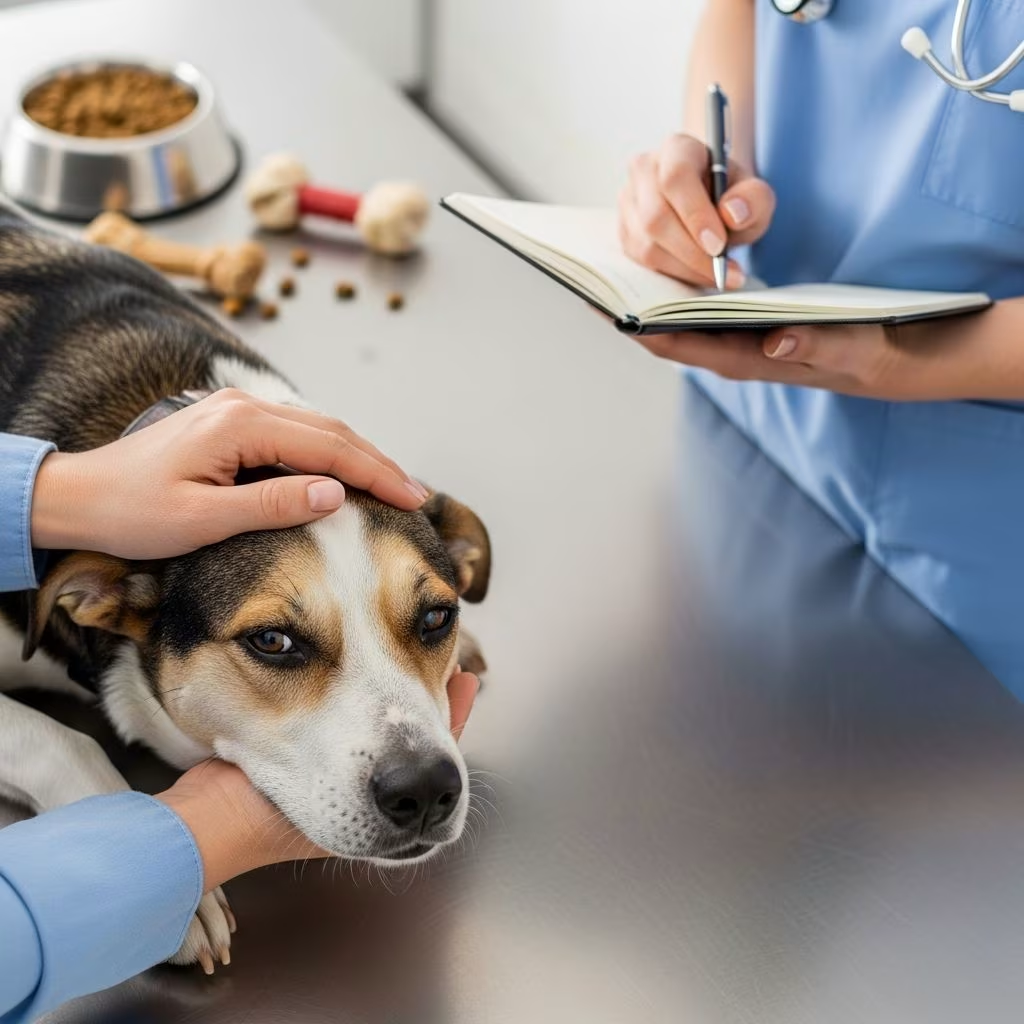
Pet owners often assume that their carefully selected pet food is completely safe for consumption. However, contaminated food or treats can affect our beloved companions just as easily as it affects humans. Foodborne illness in pets represents a serious health concern that requires prompt recognition and appropriate medical intervention. This comprehensive guide explores the critical aspects of food poisoning in dogs and cats, helping you understand the warning signs, treatment options, and prevention strategies.
What Constitutes Foodborne Illness in Pets
Foodborne illness occurs when pets consume food or treats contaminated with harmful bacteria, toxins, or other pathogens. Unlike food toxicity, which involves harmful ingredients commonly found in human foods, foodborne illness specifically results from contaminated products that may appear perfectly normal to the naked eye. Understanding this distinction helps pet owners identify when their animal may be at risk.
The contamination can occur during manufacturing, processing, storage, or even at home if food is improperly handled. Pet owners who prepare homemade diets for their animals face additional risks if proper food safety protocols are not followed.
Common Culprits Behind Pet Food Poisoning
Several specific pathogens and toxins frequently cause foodborne illness in pets:
- Salmonella: This bacterium commonly contaminates poultry, raw eggs, and inadequately processed meat products. Infected pets typically display lethargy, diarrhea, vomiting, fever, and abdominal discomfort.
- E. coli: Particularly dangerous for very young, elderly, or immunocompromised animals, E. coli infections cause diarrhea (sometimes bloody), dehydration, vomiting, loss of appetite, lethargy, and abnormal urination patterns.
- Listeria monocytogenes: This bacteria thrives in unpasteurized dairy, raw or undercooked meat, poultry, eggs, and raw vegetables. Infected animals may show sluggishness, appetite loss, vomiting, and in severe cases, neurological symptoms.
- Aflatoxins: Produced by mold contamination in grains and seeds, aflatoxins pose serious threats to liver function. Symptoms include appetite loss, lethargy, vomiting, diarrhea, and jaundice. Long-term exposure can cause severe liver damage and even sudden death.
Recognizing the Warning Signs
Early detection of foodborne illness dramatically improves treatment outcomes. Pet owners should familiarize themselves with both common and severe symptoms, as animals often display subtle behavioral changes before obvious physical signs appear.
Typical Symptoms
Most cases of foodborne illness present with digestive and systemic symptoms that typically develop within hours of consuming contaminated food:
- Sudden or persistent vomiting
- Diarrhea, which may contain blood or mucus
- Abdominal pain (indicated by whining, hunched posture, or reluctance to be touched)
- General lethargy or unusual weakness
- Decreased appetite or complete refusal to eat
- Excessive drooling or lip-licking (indicating nausea)
- Signs of dehydration such as tacky gums or sunken eyes
- Fever or elevated body temperature
Severe Warning Signs Requiring Immediate Care
Certain symptoms indicate that your pet requires emergency veterinary attention without delay:
- Vomiting lasting more than 6 to 8 hours
- Bloody vomit or diarrhea
- Severe lethargy or collapse
- Significant dehydration (sunken eyes, tacky gums, or skin tenting)
- Severe abdominal bloating or intense pain
- Difficulty breathing or unusually rapid breathing
- Abnormal gum color (pale, blue-tinged, or very red)
- Neurological symptoms including seizures, tremors, or disorientation
- Known ingestion of recalled pet food or suspected toxin
Behavioral Changes as Early Indicators
A normally playful dog becoming withdrawn or a typically social cat hiding away may signal early foodborne illness before vomiting or diarrhea appears. Pet owners should remain alert to personality shifts and unusual lethargy, as these often precede more obvious physical symptoms.
Treatment Approaches and Medical Interventions
Effective treatment for foodborne illness depends on the severity of the condition and the specific pathogen involved. Most cases respond well to supportive care, though severe infections may require hospitalization and specialized medications.
Fluid Replacement Therapy
Dehydration represents one of the most serious complications of foodborne illness. Fluid therapy, administered either intravenously or subcutaneously, restores critical electrolyte balance and prevents organ damage. Severely affected animals, particularly cats, may require extended hospitalization for continuous fluid support.
Anti-Nausea Medications
Controlling vomiting is essential both to prevent further dehydration and to allow pets to retain other medications and water. Veterinarians may prescribe anti-nausea medications that block signals to the vomiting center in the brain or calm the digestive tract directly. Options range from over-the-counter choices like Dramamine to stronger prescription medications such as Cerenia. However, premature cessation of vomiting can sometimes trap toxins in the system, so these medications should only be administered under veterinary guidance.
Anti-Diarrheal Medications
While diarrhea is uncomfortable, it sometimes serves as the body’s natural mechanism for eliminating pathogens. Veterinarians must carefully evaluate whether suppressing diarrhea is appropriate for each individual case. When warranted, treatments may include pet-specific formulations containing kaolin and pectin, which absorb water and toxins while coating irritated intestinal tissues. More severe cases may require prescription options like metronidazole or tylosin.
Antibiotic Therapy
Certain bacterial infections, particularly E. coli and listeriosis, respond to antibiotics. However, antibiotics are used cautiously in salmonella cases, as they can prolong bacterial shedding in feces and increase transmission risk to other animals and humans. Veterinarians determine appropriate antibiotic selection based on culture results and the specific pathogen involved.
Nutritional Support
Cats are particularly vulnerable to a serious condition called hepatic lipidosis if they cease eating for several days. During recovery, veterinarians may recommend bland diets to soothe the stomach or, in severe cases, place feeding tubes to ensure adequate nutrition. Dogs typically tolerate fasting better than cats, but nutritional support accelerates healing in both species.
Pain Management
Foodborne illness frequently causes significant abdominal discomfort requiring pain management. However, this must be approached cautiously. Never administer human pain medications such as ibuprofen, acetaminophen, or aspirin, as these are toxic to pets, particularly cats. Only use pain medications prescribed by your veterinarian, such as carprofen for dogs or feline-specific formulations for cats, which are carefully dosed based on weight, age, and health status.
When to Contact Your Veterinarian
If your pet displays vomiting and diarrhea symptoms, prepare to provide your veterinarian with detailed information. Describe when symptoms began, how they have progressed, and any treatments already attempted. If possible, bring samples of vomit, diarrhea, or the suspected contaminated food for analysis. This information helps your veterinarian make an accurate diagnosis and recommend appropriate treatment.
Prevention Strategies for Pet Owners
While not all foodborne illness can be prevented, careful food handling and purchasing practices significantly reduce risk:
- Purchase pet food from reputable manufacturers with strong safety records
- Store pet food in airtight containers in cool, dry environments
- Check expiration dates and discard expired products
- Follow proper sanitation when preparing homemade pet diets
- Use separate preparation surfaces and utensils for pet food
- Avoid feeding pets raw or undercooked meat and unpasteurized dairy products
- Monitor pet food recall announcements from the FDA and manufacturer
- Discard any food with visible mold, unusual odor, or signs of contamination
- Maintain proper hand hygiene when handling pet food and feeding areas
Differences Between Dogs and Cats
While both dogs and cats suffer similar symptoms from foodborne illness, treatment approaches may differ. Cats require more aggressive nutritional support due to their susceptibility to hepatic lipidosis. Additionally, cats may respond differently to certain medications and require feline-specific formulations for pain management. Your veterinarian will tailor treatment based on your pet’s species, age, and overall health status.
Understanding Recovery and Prognosis
Most cases of uncomplicated foodborne illness resolve with appropriate supportive care, though recovery timelines vary. Mild cases may improve within 24 to 48 hours, while severe infections or those complicated by secondary issues may require weeks of treatment. Aflatoxin poisoning particularly requires careful monitoring, as some animals may suffer liver damage without showing early signs.
Follow-up veterinary visits ensure complete recovery and help identify any lasting complications. Some infections may have chronic effects, requiring long-term dietary modifications or medication.
Frequently Asked Questions
How quickly do foodborne illness symptoms appear in pets?
Most symptoms develop within hours of consuming contaminated food, though the exact timeline depends on the specific pathogen and the amount of contaminated material ingested.
Can I treat mild food poisoning at home?
Mild cases with minimal symptoms may be monitored at home, but any vomiting lasting more than 6-8 hours, bloody discharge, or persistent lethargy requires immediate veterinary evaluation.
Is food poisoning contagious between pets?
Some pathogens, particularly salmonella, can spread between animals and even to humans through feces. Proper sanitation and hand hygiene are essential when caring for affected pets.
What foods should I avoid giving my pet?
Avoid raw or undercooked meat and poultry, unpasteurized dairy products, raw eggs, and any food showing signs of mold or contamination.
References
- Pet Food Poisoning: 7 Essential Medications for Emergency — The Pet Vet. Accessed February 2026. https://thepetvet.com/pet-food-poisoning/
- Food Poisoning in Dogs — Granada Veterinary Clinic. Accessed February 2026. https://granadavc.com/blog/1135041-food-poisoning-in-dogs
- September 2021 Newsletter: Pet Food Recalls and What You Need to Know — Kirkwood Animal Hospital. September 2021. https://www.kirkwoodanimal.com/newsletter/september-2021-newsletter-pet-food-recalls-and-what-you-need-to-know
- Can Dogs Get Food Poisoning? — American Kennel Club. Accessed February 2026. https://www.akc.org/expert-advice/health/can-dogs-get-food-poisoning/
- Food Poisoning in Cats — PetMD. Accessed February 2026. https://www.petmd.com/cat/conditions/digestive/food-poisoning-cats
- Pet Food Poisoning — Mills Veterinary Care, Browns Mills, NJ. Accessed February 2026. https://www.millsvetcare.com/pet-food-poisoning



