
Food Trials for Dogs: Uncovering Hidden Allergies
Discover how structured food elimination trials can pinpoint and resolve food allergies in dogs, offering relief from chronic itching and digestive woes.
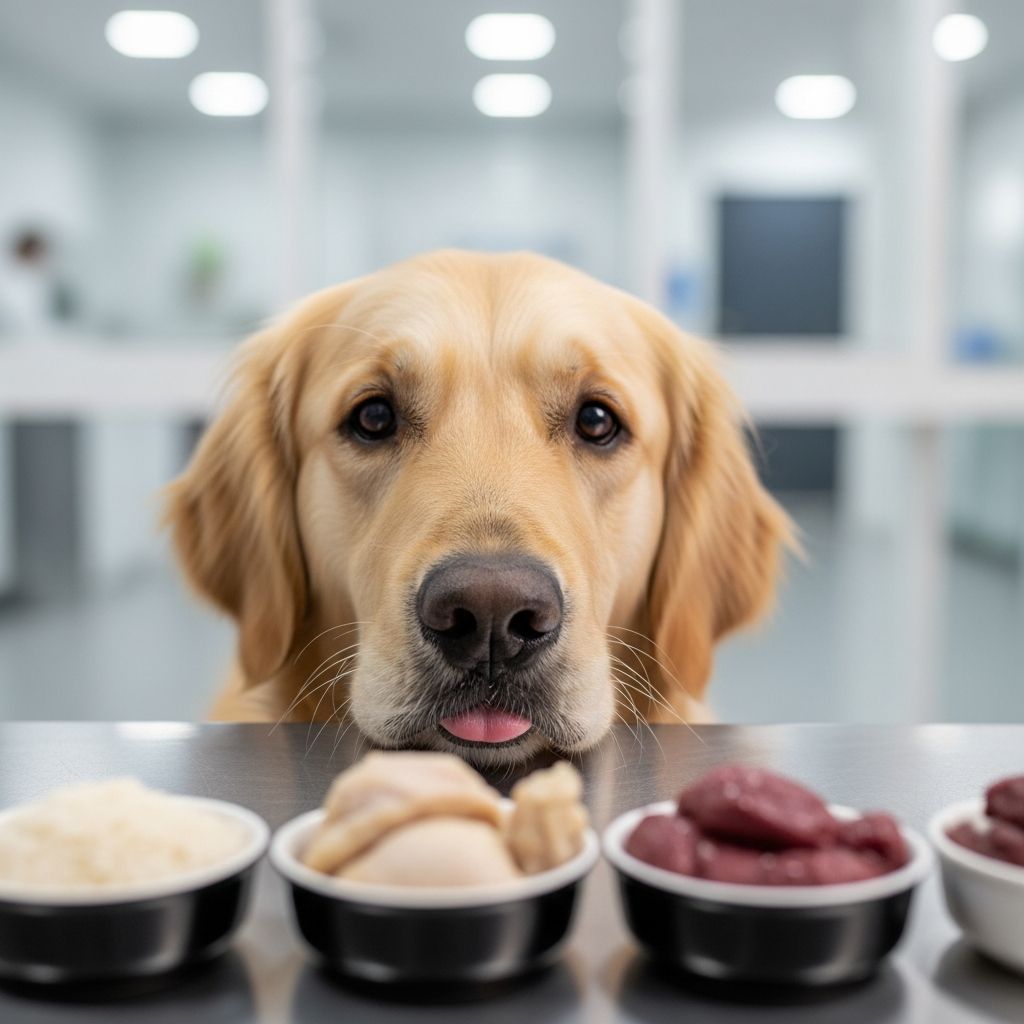
Dogs suffering from persistent itching, ear infections, or gastrointestinal upset may be reacting to ingredients in their diet. A properly conducted food elimination trial serves as the gold standard for diagnosing food hypersensitivity, helping pet owners identify triggers and restore their dog’s comfort.
Understanding Food Allergies in Canines
Food allergies in dogs differ from intolerances; true allergies involve the immune system producing antibodies against specific proteins, often leading to symptoms like intense pruritus (itching), recurrent skin infections, or diarrhea. Unlike environmental allergies, food-related issues persist year-round and can mimic other conditions, making diagnosis challenging.
Symptoms typically manifest between six months and three years of age but can appear later. Common culprits include beef, dairy, chicken, wheat, and eggs, though any protein or carbohydrate can provoke a reaction. Early identification prevents chronic issues, improving quality of life.
Why Choose an Elimination Diet Trial?
While blood or skin tests exist, they lack reliability for food allergens. The elimination-challenge trial remains the most accurate method: remove potential allergens, monitor improvement, then reintroduce suspects one by one to confirm triggers.
This approach boasts over 90% sensitivity when extended to eight weeks, far surpassing shorter trials. It empowers owners with precise knowledge, avoiding guesswork and ineffective treatments.
Selecting the Right Diet for Your Trial
Success hinges on choosing ingredients your dog has never encountered—known as novel proteins and carbohydrates. Common options include:
- Rabbit or venison as protein sources
- Sweet potato, pumpkin, or quinoa as carb alternatives
- Hydrolyzed diets, where proteins are broken into tiny, non-reactive fragments
Commercial prescription foods ensure nutritional balance, vital for trials lasting weeks. Avoid over-the-counter limited-ingredient diets if they include common allergens like chicken.
| Diet Type | Pros | Cons | Best For |
|---|---|---|---|
| Novel Ingredient (Commercial) | Balanced, convenient | May have extras like preservatives | Most dogs |
| Home-Prepared | Minimal ingredients | Risk of imbalance; needs vet oversight | Short trials |
| Hydrolyzed Protein | Highly effective even for common allergens | Palatability issues | Severe cases |
Consult a veterinarian to match the diet to your dog’s needs, especially for puppies or those with growth requirements.
Step-by-Step Guide to Conducting the Trial
- Compile Ingredient History: List all proteins and carbs your dog has eaten, using labels from past foods.
- Transition Gradually: Over 7 days, mix increasing amounts of the new diet to prevent digestive upset.
- Strict Elimination Phase: Feed only the trial diet—no treats, table scraps, or flavored meds—for 8-12 weeks. Track symptoms daily.
- Monitor Progress: GI signs may resolve in 2-4 weeks; skin issues take 5-8 weeks or longer.
- Challenge Phase: If improved, reintroduce original diet or suspects one at a time (every 2 weeks), watching for flare-ups.
Improvement by 50% or more signals success; no change suggests non-food causes like fleas or pollen.
Timeline Expectations and Response Rates
Expectations vary by symptom:
- Gastrointestinal: 50% improve by week 4; 95% by week 8.
- Skin/Itching: Slower; 80% diagnose by week 5-6, over 90% by week 8.
If no response after two trials with fresh ingredients, explore environmental allergies.
Common Pitfalls and How to Avoid Them
Trials fail due to cheats: rawhides, cheese, or shared multi-pet food. Raw diets often harbor contaminants like unintended proteins.
Tips for Compliance:
- Use only-trial-food treats (e.g., boiled novel protein).
- Secure trash and counters.
- Follow up weekly with your vet for motivation.
Multi-pet homes? Feed separately; consider hydrolyzed diets for allergy-free options.
Long-Term Management After Diagnosis
Once identified, avoid triggers permanently. Many thrive on lifetime novel or hydrolyzed diets. Rotate proteins under vet guidance to prevent new sensitivities. Supplements like omega-3s support skin health.
For growth-stage dogs, select approved formulas. Vegetarian options aid rare cases intolerant to all meats.
FAQs
How long should the elimination phase last?
Minimum 8 weeks for skin issues; 2-4 weeks for GI. Extend to 12 weeks if partial improvement.
What if my dog won’t eat the new food?
Switch proteins/carbs; add warm water or vet-approved toppers. Palatability improves with hydrolyzed options.
Can I use grain-free diets?
Only if grains are confirmed allergens; otherwise, they may include common proteins.
Is a positive response immediate?
No—skin symptoms linger 4-6 weeks post-removal; flares take 7-14 days post-challenge.
What if symptoms persist?
Retrial new ingredients or test for other allergies. Vet involvement is key.
Partnering with Your Veterinarian
Start with a professional: they prescribe diets, rule out parasites, and interpret results. Tools like prednisone initially boost compliance by easing early itch.
Post-trial, board-certified nutritionists craft custom plans. Success rates soar with guidance.[10]
References
- Implementing an Elimination-Challenge Diet Trial for Dogs — VCA Animal Hospitals. 2023. https://vcahospitals.com/know-your-pet/implementing-an-elimination-challenge-diet-trial-dog
- Elimination Diet for Dogs: Will it Help Your Allergic Dog? — Whole Dog Journal. 2023. https://www.whole-dog-journal.com/health/allergies/will-your-allergic-dog-benefit-from-a-food-elimination-diet/
- Elimination Diet Trials: Steps for Success and Common Mistakes — Today’s Veterinary Practice. 2023. https://todaysveterinarypractice.com/dermatology/elimination-diet-trials-steps-for-success-and-common-mistakes/
- Veterinary Therapeutic Elimination Diets — VetGirl on the Run. 2023. https://vetgirlontherun.com/veterinary-therapeutic-elimination-diets-vetgirl-ce-blog/
- Food Allergies and Elimination Diets in Dogs — CAVD. 2023. https://www.cavd.ca/images/CAVD_Illustrated_Diet_Trial_Handout_for_Dogs.pdf
- Food Trials in Dogs: Updates and Communication Tips — Purina Institute. 2023. https://www.purinainstitute.com/centresquare/therapeutic-nutrition/food-trials-in-dogs-updates-and-communication-tips
Similar Articles








Read full bio of medha deb




