

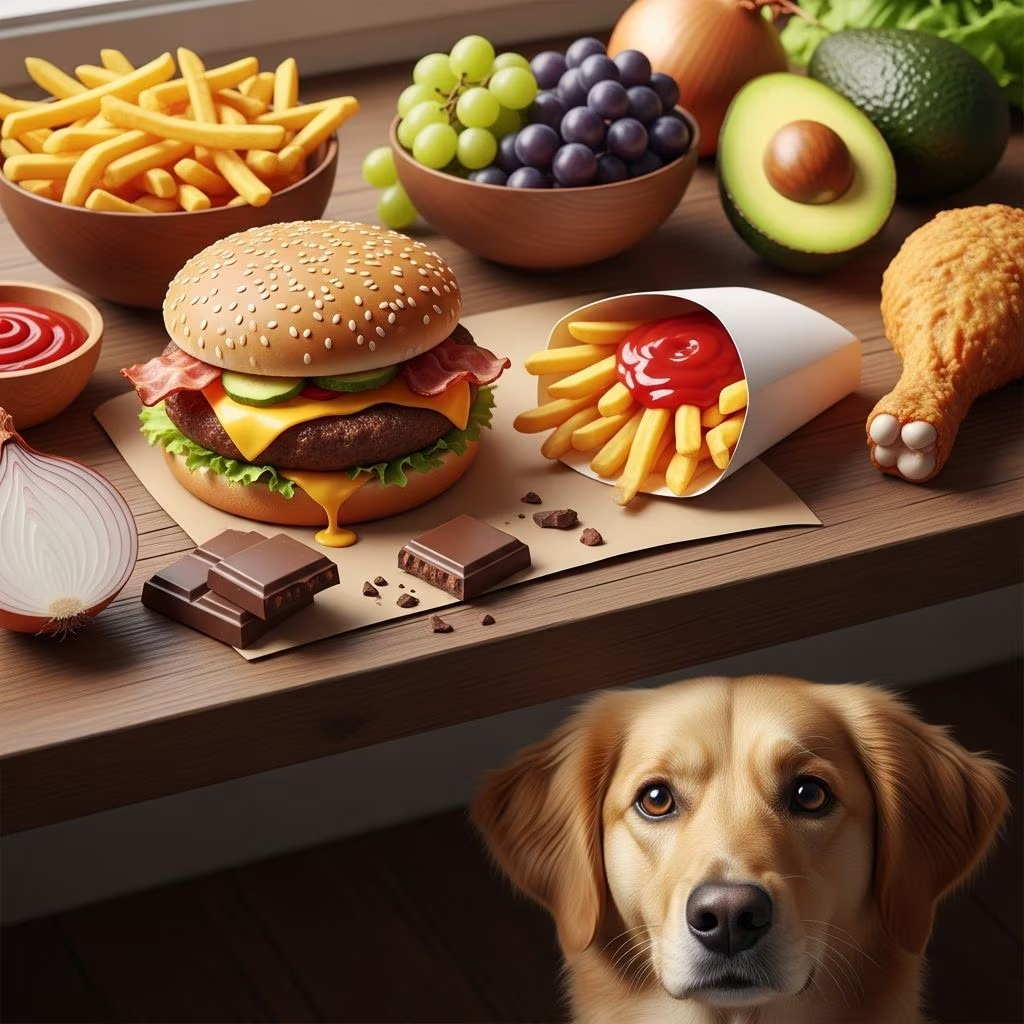
Many everyday human foods that we enjoy can be highly toxic to dogs, leading to serious health issues or even death. Understanding these dangers is crucial for every dog owner to prevent accidental poisoning and ensure your pet’s safety.
Why Some Human Foods Are Dangerous for Dogs
Dogs have different metabolisms and digestive systems compared to humans. Substances like theobromine in chocolate or toxins in grapes can overwhelm their systems, causing organ damage or failure. Even small amounts can be harmful depending on the dog’s size and breed. Always err on the side of caution and consult a vet if exposure occurs.
Common risks include gastrointestinal upset, organ toxicity, seizures, and long-term health complications. Prevention starts with keeping hazardous foods out of reach and educating family members on pet-safe snacking.
Top Toxic Foods for Dogs
Here is a detailed list of foods that should never be given to dogs, complete with why they are dangerous and what to do if ingestion happens.
Chocolate
Chocolate contains theobromine and caffeine, stimulants that dogs cannot metabolize effectively. Dark chocolate and baking chocolate are the most dangerous due to higher concentrations. Symptoms include vomiting, diarrhea, rapid heart rate, tremors, seizures, and potentially death. According to the ASPCA Animal Poison Control Center, chocolate is one of the most frequent causes of pet poisoning.
- Symptoms: Restlessness, increased thirst, vomiting, diarrhea, elevated heart rate, tremors, seizures.
- Treatment: Immediate vet visit; may involve induced vomiting, activated charcoal, IV fluids, and medications to control heart rate and seizures.
- Safe Amount: None. Even small amounts can be risky for small dogs.
Grapes and Raisins
Grapes and raisins can cause acute kidney failure in dogs, though the exact toxin remains unidentified. Even a few grapes can be fatal for small breeds. Symptoms appear within 6-12 hours and include vomiting, diarrhea, lethargy, abdominal pain, decreased urination, and kidney damage.
- Symptoms: Vomiting (often containing grape pieces), diarrhea, loss of appetite, weakness, kidney failure signs.
- Treatment: Veterinary intervention with fluids to flush kidneys, monitoring bloodwork.
- Safe Amount: Avoid entirely; risk varies unpredictably by dog.
Onions, Garlic, Chives, and Leeks (Allium Family)
These vegetables contain N-propyl disulfide, which damages red blood cells, leading to hemolytic anemia. Cooked or raw forms are toxic, and effects can be delayed up to 5 days. Powdered forms in seasonings are equally dangerous.
- Symptoms: Vomiting, diarrhea, weakness, pale gums, rapid breathing, collapse.
- Treatment: Blood transfusions in severe cases, supportive care.
- Safe Amount: None; toxicity builds with repeated exposure.
Xylitol (Artificial Sweetener)
Found in sugar-free gum, candies, peanut butter, and baked goods, xylitol causes a rapid insulin surge leading to severe hypoglycemia. It also damages the liver. Symptoms start within 30 minutes.
- Symptoms: Vomiting, weakness, ataxia, seizures, coma, liver failure.
- Treatment: Emergency dextrose administration, hospitalization.
- Safe Amount: None; even tiny amounts (e.g., one piece of gum) are hazardous for small dogs.
Alcohol
Alcohol affects dogs similarly to humans but more severely due to size differences. It causes central nervous system depression, hypothermia, metabolic acidosis, and respiratory failure.
- Symptoms: Vomiting, disorientation, depression, difficulty breathing, tremors, collapse.
- Treatment: IV fluids, warming, respiratory support.
- Safe Amount: None.
Avocado
The leaves, skin, pit, and fruit contain persin, which causes vomiting and diarrhea. Guacamole is risky due to additional ingredients like onions and spices.
- Symptoms: Vomiting, diarrhea, abdominal pain; rare cases of fluid around lungs/heart.
- Treatment: Supportive care.
- Safe Amount: Small amounts of flesh may be tolerated, but avoid entirely.
Caffeine (Coffee, Tea, Energy Drinks)
Caffeine stimulates the central nervous system, causing restlessness, rapid breathing, heart palpitations, and muscle tremors.
- Symptoms: Restlessness, vomiting, rapid breathing, heart arrhythmias, collapse.
- Treatment: Induce vomiting, activated charcoal, medications for heart issues.
- Safe Amount: None.
Macadamia Nuts
The toxin is unknown, but ingestion causes weakness, depression, vomiting, tremors, and hyperthermia. Usually not fatal.
- Symptoms: Weakness (especially hind legs), vomiting, tremors, fever.
- Treatment: Supportive care; symptoms resolve in 48 hours.
- Safe Amount: None.
Fatty Foods (Bacon, Table Scraps)
High-fat foods trigger pancreatitis, inflammation of the pancreas causing severe abdominal pain.
- Symptoms: Vomiting, diarrhea, lethargy, abdominal pain, fever.
- Treatment: NPO (nothing by mouth), IV fluids, pain meds, antibiotics.
- Safe Amount: Minimal; avoid rich scraps.
Bones (Cooked)
Cooked bones splinter, causing choking, mouth injuries, intestinal blockages, or perforations.
- Symptoms: Choking, bloody stool, vomiting, constipation, pain.
- Treatment: Endoscopy or surgery for blockages.
- Safe Amount: Never cooked bones; raw may be safer but consult vet.
Other Hazards: Yeast Dough, Salt, Nutmeg, Raw Yeast, Milk (Lactose Intolerance)
Yeast dough expands in the stomach, causing bloat or alcohol poisoning. Excessive salt leads to sodium ion poisoning. Nutmeg causes hallucinations. Many dogs are lactose intolerant, causing diarrhea.
- Symptoms vary: Bloat from dough, thirst/seizures from salt, incoordination from nutmeg, gas/diarrhea from milk.
- Treatment: Case-specific veterinary care.
Symptoms of Food Poisoning in Dogs
Watch for vomiting, diarrhea, lethargy, drooling, tremors, seizures, pale gums, rapid breathing, collapse. Severity depends on amount ingested, dog’s size, and time to treatment. Act fast—call a vet or poison hotline immediately.
What to Do If Your Dog Eats Something Toxic
- Identify the food and amount eaten.
- Do not induce vomiting unless instructed by a vet.
- Contact your vet, emergency clinic, or ASPCA Poison Control (888-426-4435).
- Provide supportive care as directed.
Prevention tips: Store food securely, train ‘leave it’, educate household members.
Safe Alternatives: Healthy Treats for Dogs
Instead of risky human foods, offer vet-approved options:
- Carrots, green beans, apples (no seeds), blueberries, plain pumpkin.
- Commercial treats with AAFCO approval.
- Lean cooked meats without seasoning.
| Toxic Food | Safe Swap |
|---|---|
| Chocolate | Carob treats (theobromine-free) |
| Grapes | Blueberries |
| Onions | Celery |
| Xylitol gum | Dental chews |
Frequently Asked Questions (FAQs)
Can dogs eat small amounts of toxic foods?
No, even tiny amounts can cause harm, especially in small dogs. Always avoid.
What is the most common food poisoning in dogs?
Chocolate and xylitol top the list per veterinary reports.
Is baby food safe for dogs?
Only plain meat varieties; avoid onion/garlic-seasoned ones.
Can all dogs tolerate dairy?
No, many are lactose intolerant; opt for dog-specific yogurt.
How long do symptoms take to appear?
From 30 minutes (xylitol) to 5 days (onions).
References
- Pet Poison Helpline: Top Poisons for Dogs — Pet Poison Helpline. 2023-01-15. https://www.petpoisonhelpline.com/pet-safety-tips/top-poisons-for-dogs/
- ASPCA Animal Poison Control Center: Common Dog Toxins — ASPCA. 2024-05-20. https://www.aspca.org/pet-care/animal-poison-control/people-foods-avoid-feeding-your-pets
- Merck Veterinary Manual: Food Hazards for Dogs — Merck & Co. 2023-11-10. https://www.merckvetmanual.com/toxicology/food-hazards/toxicities-from-human-foods
- AKC: Foods Poisonous to Dogs — American Kennel Club. 2024-02-28. https://www.akc.org/expert-advice/nutrition/peoples-foods-dogs-can-and-cant-eat/
- FDA: Xylitol Toxicity in Dogs — U.S. Food and Drug Administration. 2022-08-05. https://www.fda.gov/animal-veterinary/animal-health-literacy/get-facts-about-xylitol-toxicity-dogs



