

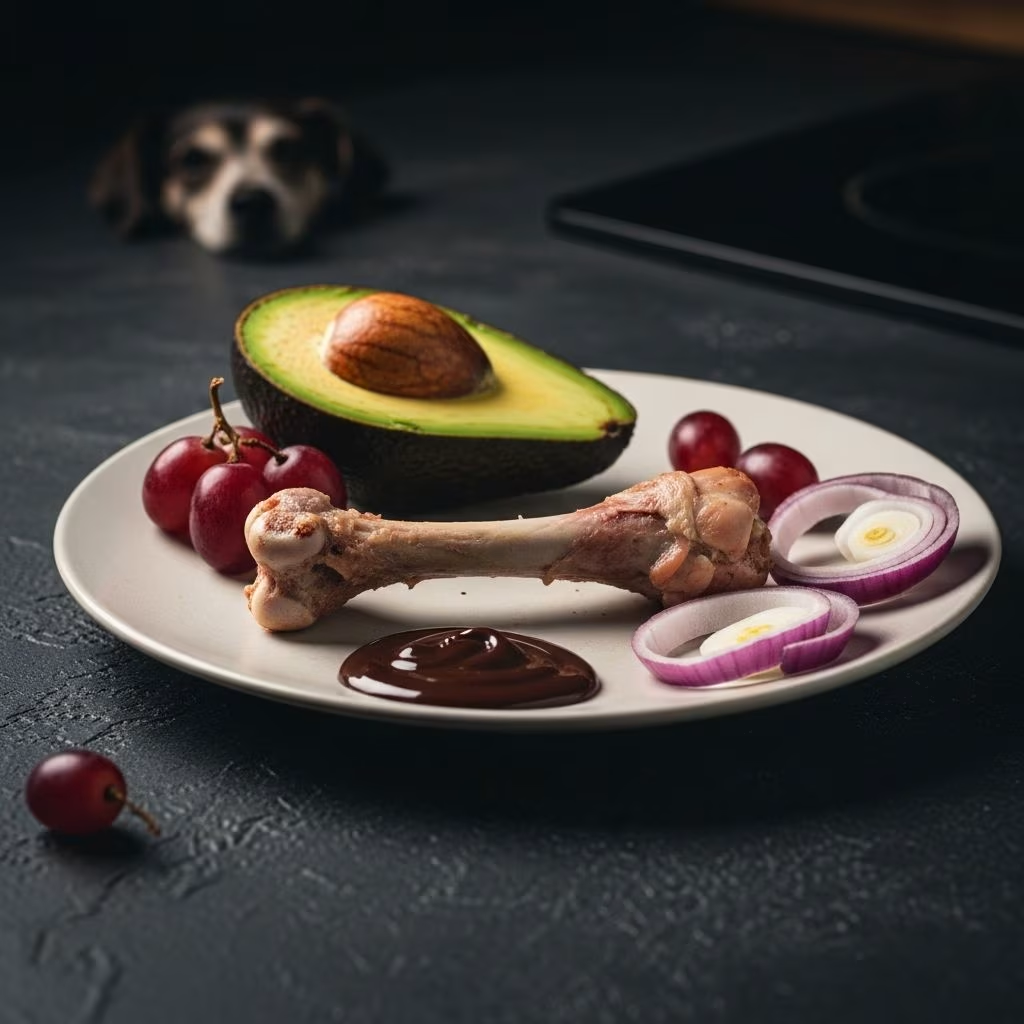
Many human foods that we enjoy daily can be highly toxic to dogs, leading to severe health issues or even death. Understanding these dangers is crucial for every dog owner to prevent accidental poisoning.
Why Human Food Can Be Harmful to Dogs
Dogs have different metabolisms and digestive systems than humans. Foods safe for us often contain compounds like theobromine, xylitol, or high fat levels that dogs cannot process safely. Even small amounts can cause vomiting, diarrhea, organ failure, or neurological problems. The ASPCA Animal Poison Control Center reports thousands of cases yearly from common household foods.
Pet owners often share meals out of love, but this can lead to emergencies. Always consult your veterinarian before introducing new foods, and keep toxic items out of reach.
Top Toxic Foods for Dogs
Here is a detailed list of the most dangerous foods for dogs, why they are harmful, symptoms to watch for, and safe alternatives.
1. Chocolate
Chocolate contains **theobromine**, a stimulant toxic to dogs that they metabolize slowly. Darker chocolate like baking chocolate or cocoa powder is most dangerous due to higher concentrations. Even small amounts can cause rapid heart rate, tremors, seizures, and death.
- Symptoms: Vomiting, diarrhea, restlessness, increased thirst, muscle tremors, seizures.
- Treatment: Immediate vet care; induce vomiting if recent ingestion, followed by activated charcoal and supportive therapy.
- How much is toxic? Varies by dog size and chocolate type; e.g., 1 oz of milk chocolate per lb of body weight can be fatal.
Safe alternative: Carob-based treats, which mimic chocolate flavor without theobromine.
2. Grapes and Raisins
Grapes, raisins, sultanas, and currants can cause **acute kidney failure** in dogs. The exact toxin is unknown, but even tiny amounts (a few grapes) have caused fatalities. Symptoms appear within hours.
- Symptoms: Vomiting, diarrhea, lethargy, abdominal pain, decreased urination, kidney failure signs within 24-72 hours.
- Treatment: Induce vomiting, IV fluids, monitor kidney function for 72 hours.
- Fact: Any dog can be affected; no safe amount identified.
Safe alternative: Blueberries or apples (without seeds) for antioxidants.
3. Onions, Garlic, Chives, and Leeks
These **Allium family** plants contain **N-propyl disulfide**, which damages red blood cells, leading to hemolytic anemia. Cooked or raw, powdered forms in seasonings are equally risky.
- Symptoms: Vomiting, diarrhea, weakness, pale gums, rapid breathing, collapse.
- Treatment: Blood transfusions in severe cases, supportive care.
- Danger level: 0.5% of body weight can cause toxicity.
Safe alternative: Avoid entirely; use parsley for breath freshening.
4. Xylitol (Artificial Sweetener)
Found in sugar-free gum, candies, peanut butter, and baked goods, **xylitol** causes a massive insulin release, leading to hypoglycemia (low blood sugar) and liver failure.
- Symptoms: Vomiting, weakness, seizures, coma within 30 minutes; liver damage in 12-48 hours.
- Treatment: Emergency dextrose infusion, liver protectants.
- Toxicity: As little as 0.1g/kg can cause hypoglycemia.
Safe alternative: Plain peanut butter without xylitol.
5. Alcohol
Alcohol causes **central nervous system depression**, hypothermia, metabolic acidosis, and respiratory failure in dogs. Beer, wine, liquor—even fermented bread dough.
- Symptoms: Vomiting, disorientation, depression, difficulty breathing, death.
- Treatment: IV fluids, warming, respiratory support.
Safe alternative: None; keep all alcohol secured.
6. Avocado
Persin in avocado flesh, pit, skin, and leaves causes **fluid accumulation in chest and lungs**, vomiting, diarrhea. Guacamole often contains other toxins like onions.
- Symptoms: Vomiting, diarrhea, respiratory distress.
- Treatment: Supportive care; usually mild unless large amounts.
Safe alternative: Other fruits like pumpkin.
7. Macadamia Nuts
Unknown toxin causes **weakness, vomiting, hyperthermia, tremors**. Often in chocolates or trail mix.
- Symptoms: Vomiting, inability to rise, stiff walk, fever.
- Treatment: Symptom management; resolves in 48 hours.
Safe alternative: Pumpkin seeds (ground).
8. Fatty Foods and Bones
High-fat foods like bacon, sausage cause **pancreatitis** (pancreas inflammation). Cooked bones splinter, causing choking or intestinal perforation.
- Symptoms: Vomiting, diarrhea, abdominal pain, lethargy.
- Treatment: Low-fat diet, pain meds, hospitalization.
Safe alternative: Lean proteins, raw bones (large, recreational only under supervision).
9. Caffeine
In coffee, tea, soda, energy drinks—causes **tachycardia, restlessness, seizures** like theobromine.
- Symptoms: Restlessness, rapid breathing, heart palpitations, muscle tremors.
Safe alternative: Decaf herbal teas (check ingredients).
10. Raw Yeast Dough
Dough rises in stomach, causing **bloating, alcohol poisoning** from fermentation.
- Symptoms: Bloating, depression, weakness.
Safe alternative: Baked bread in moderation (no toxic add-ins).
Symptoms of Food Poisoning in Dogs
Recognize signs early: vomiting, diarrhea, drooling, lethargy, tremors, seizures, pale gums, rapid breathing. Severity depends on amount ingested, dog size, and time elapsed.
| Food | Onset Time | Severity |
|---|---|---|
| Chocolate | 6-12 hours | High |
| Xylitol | 30 min | Very High |
| Grapes | 6-12 hours | High |
| Onions | 1-5 days | Medium-High |
What to Do If Your Dog Eats Something Toxic
- Stay calm; note what, how much, when ingested.
- Do NOT induce vomiting unless vet instructs (risky for some toxins).
- Call vet, ASPCA Poison Control (888-426-4435), or Pet Poison Helpline (855-764-7661) immediately.
- Provide supportive care: withhold food, offer water.
- Follow professional advice; hospitalization may be needed.
Prevention Tips
- Counter surf-proof: Keep trash secured, counters clear.
- Educate family: No table scraps with toxic foods.
- Store safely: Pantries locked, chocolate high up.
- Dog-proof home: Use baby gates for kitchens.
- Choose dog-safe treats: Commercial treats formulated for pets.
Safe Foods Dogs Can Enjoy
Not all human foods are bad. Offer these in moderation:
- Apples (no seeds), bananas, blueberries.
- Carrots, green beans, pumpkin.
- Plain rice, oatmeal, yogurt (probiotic).
- Lean meats (cooked), eggs, peanut butter (xylitol-free).
Always introduce new foods gradually to monitor reactions.
Frequently Asked Questions (FAQs)
What is the most toxic food for dogs?
Xylitol and chocolate top the list due to rapid, severe effects even in tiny doses.
Can a dog recover from eating grapes?
Yes, with prompt veterinary intervention including fluids, but kidney damage can be permanent.
Is baby food safe for dogs?
Only plain meat varieties; avoid onion/garlic-seasoned ones.
How much chocolate is safe?
None is truly safe; risk increases with amount and darkness.
What if my dog ate something toxic hours ago?
Still call poison control; some toxins have delayed effects treatable if caught early.
This guide empowers you to keep your dog safe. Prioritize prevention and act fast in emergencies for a long, healthy life together.
References
- Toxic Foods for Dogs — ASPCA Animal Poison Control. 2024-01-15. https://www.aspca.org/pet-care/animal-poison-control/people-foods-avoid-feeding-your-pets
- Foods Poisonous to Dogs — Merck Veterinary Manual. 2023-11-20. https://www.merckvetmanual.com/toxicology/food-hazards/foods-poisonous-to-dogs
- Xylitol Poisoning in Dogs — FDA Center for Veterinary Medicine. 2022-05-10. https://www.fda.gov/animal-veterinary/animal-health-literacy/get-facts-about-xylitol-poisoning-dogs
- Toxicity of Grapes and Raisins — Pet Poison Helpline. 2024-03-05. https://www.petpoisonhelpline.com/poison/grapes/
- Chocolate Toxicity in Dogs — VCA Animal Hospitals. 2023-08-12. https://vcahospitals.com/know-your-pet/chocolate-poisoning-in-dogs
- Onion and Garlic Toxicity — AKC Canine Health Foundation. 2021-07-19. https://www.akcchf.org/canine-health/sporting-field-dogs/onion-and-garlic-toxicity.html



