

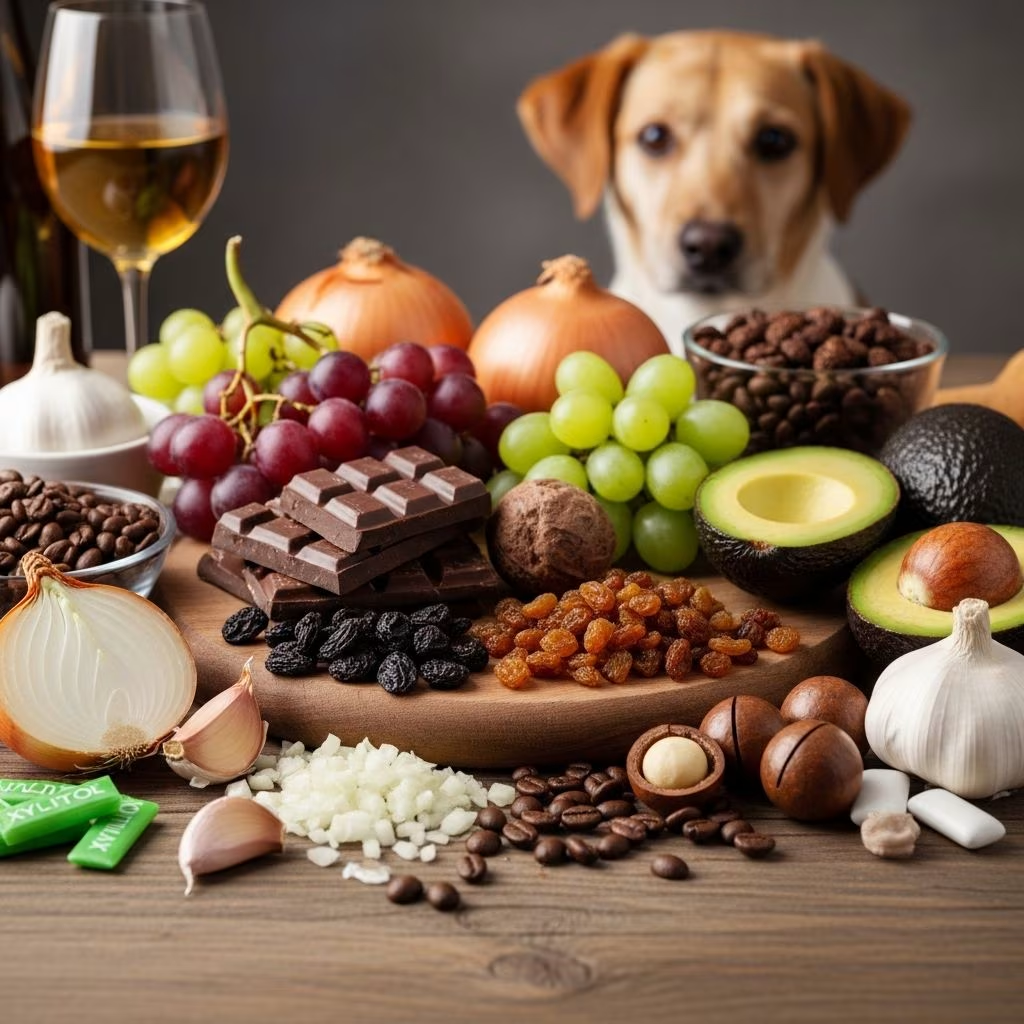
Many human foods that we enjoy daily can be toxic or harmful to dogs. Even small amounts of certain items like chocolate, grapes, or onions can lead to serious health issues, including organ failure or death. Understanding these dangers is crucial for every dog owner to prevent accidental poisoning.
Why Some Human Foods Are Dangerous for Dogs
Dogs have different metabolisms than humans, making them unable to process compounds like theobromine in chocolate or toxins in grapes. Their smaller body size amplifies risks, and symptoms can appear quickly or develop over time. The ASPCA Animal Poison Control Center receives thousands of calls yearly about food-related pet incidents, emphasizing the need for awareness.
Common risks include gastrointestinal upset, kidney damage, anemia, and neurological effects. Always err on the side of caution: if in doubt, don’t share your meal. Veterinary guidelines stress keeping human food out of reach and educating family members on pet-safe snacks.
Top Toxic Foods to Avoid
- Chocolate: Contains theobromine and caffeine, which dogs can’t metabolize efficiently. Dark chocolate and baking chocolate are most dangerous, causing vomiting, diarrhea, rapid heart rate, seizures, and potentially death. Even small amounts can be fatal for tiny breeds.
- Xylitol: Found in sugar-free gum, candies, and peanut butter. Triggers a massive insulin release in dogs, leading to hypoglycemia (low blood sugar), seizures, liver failure. Symptoms start within 30 minutes; it’s one of the most acutely toxic substances.
- Grapes and Raisins: Cause acute kidney failure, even in small quantities. The exact toxin is unknown, but effects include vomiting, lethargy, and elevated kidney values. All varieties, fresh or dried, are risky.
- Onions, Garlic, Chives, Leeks: Contain N-propyl disulfide, damaging red blood cells and causing hemolytic anemia. Symptoms like weakness, pale gums, and dark urine may take days. Cooked or raw forms are equally hazardous.
- Alcohol: Depresses the central nervous system, leading to coma or death. Even small amounts in foods like bread dough can ferment in the stomach, producing alcohol and causing bloat.
- Macadamia Nuts: Cause weakness, depression, vomiting, tremors, and hyperthermia. Toxicity level varies, but avoid entirely.
- Avocados: Persin in leaves, skin, pit, and fruit causes vomiting and diarrhea. Guacamole is a hidden danger.
- Fatty Foods: Lead to pancreatitis, with symptoms like vomiting, abdominal pain, and lethargy. Table scraps like bacon grease are common culprits.
- Caffeine: In coffee, tea, soda; stimulates the nervous system, causing restlessness, rapid breathing, heart palpitations, muscle tremors.
- Raw Yeast Dough: Expands in the stomach, causing bloat; ferments to produce alcohol.
- Salt: Excessive amounts cause salt poisoning: thirst, weakness, seizures, death.
- Raw Meat and Fish: Risk of salmonella, E. coli, parasites like roundworms. Raw salmon contains a deadly toxin.
- Bones: Cooked bones splinter, causing choking, intestinal perforation.
- Citrus: Oils can cause depression; peels irritate GI tract.
- Coconut and Coconut Oil: High fat content risks pancreatitis; moderation only if tolerated.
- Nutmeg: Myristicin causes hallucinations, dry mouth, seizures.
- Tomatoes (Green Parts): Solanine in stems/leaves toxic; ripe fruit usually safe in small amounts.
Symptoms of Food Poisoning in Dogs
Watch for vomiting, diarrhea, drooling, lethargy, tremors, seizures, abdominal pain, loss of appetite, excessive thirst, pale gums. Severity depends on the food, amount ingested, and dog’s size. Mild cases may resolve with vet care; severe ones require hospitalization.
| Food | Symptoms | Toxicity Level |
|---|---|---|
| Chocolate | Vomiting, diarrhea, heart issues, seizures | High |
| Xylitol | Hypoglycemia, liver failure | Very High |
| Grapes | Kidney failure | High |
| Onions | Anemia, weakness | Moderate-High |
| Alcohol | Coordination loss, coma | High |
What to Do If Your Dog Eats Something Toxic
- Stay calm; note what, how much, and when ingested.
- Don’t induce vomiting unless vet instructs—risks aspiration.
- Call vet, ASPCA Poison Control (888-426-4435), or Pet Poison Helpline immediately.
- Provide details for treatment advice; may need activated charcoal, IV fluids, monitoring.
- Never give human meds like Pepto-Bismol without vet approval.
Prevention is key: store food securely, train ‘leave it’, use dog-proof trash cans. Prompt action improves outcomes dramatically.
Pet-Safe Alternatives to Human Foods
Instead of risky treats, opt for dog-approved options. Plain cooked meats (no seasoning), carrots, green beans, apples (no seeds), blueberries provide crunch and nutrients without danger. Commercial treats formulated for dogs ensure balance.
For breath freshening (vs. parsley risks in excess), use dog dental chews. Omega-3s from fish oil beat fatty scraps. Always introduce new foods gradually to monitor tolerance.
Understanding Dog Nutrition Basics
Dogs are omnivores needing balanced protein, fats, carbs, vitamins, minerals per AAFCO standards. Commercial foods undergo feeding trials for completeness. Supplements like probiotics aid gut health, but consult vets for breed-specific needs, e.g., large breeds prone to joint issues.
Home-cooked diets risk imbalances; use vet-approved recipes. Puppies need growth formulas; seniors, joint support. Monitor weight: obesity links to diabetes, arthritis.
Frequently Asked Questions (FAQs)
Q: Can dogs eat small amounts of grapes?
A: No, even tiny amounts risk kidney failure. Avoid completely.
Q: Is dark chocolate worse than milk chocolate for dogs?
A: Yes, higher theobromine content makes dark/baking chocolate far more toxic.
Q: What if my dog ate gum with xylitol?
A: Seek emergency vet care immediately—effects are rapid and severe.
Q: Are all nuts bad for dogs?
A: Macadamia are toxic; others like almonds risk pancreatitis from fat/choking.
Q: Can I give my dog table scraps?
A: Only plain, low-fat, non-toxic bits in moderation; better to stick to dog food.
Q: How do I know if my dog’s food is safe?
A: Check AAFCO label, first ingredients, recall history. Consult vet for personalized advice.
This guide empowers you to keep your dog safe amid tempting human foods. Prioritize prevention through education and vigilance for a long, healthy life together. (Word count: 1678)
References
- Pet Poison Helpline: Common Toxins — Pet Poison Helpline. 2024-01-15. https://www.petpoisonhelpline.com/
- ASPCA Animal Poison Control Center — ASPCA. 2025-06-10. https://www.aspca.org/pet-care/animal-poison-control
- Merck Veterinary Manual: Food Hazards — Merck & Co. 2024-11-20. https://www.merckvetmanual.com/toxicology/food-hazards/toxicities-from-human-foods
- AAFP Feline Nutrition Guidelines (Adapted for Canine) — American Animal Hospital Association. 2023-09-05. https://www.aaha.org/resources/
- Understanding Pet Food Anxiety — PMC/NCBI. 2021-11-01. https://pmc.ncbi.nlm.nih.gov/articles/PMC8614253/
- AVMA Pet Nutrition Resources — American Veterinary Medical Association. 2025-03-12. https://www.avma.org/resources/pet-owners/petcare/nutrition-your-pet



