

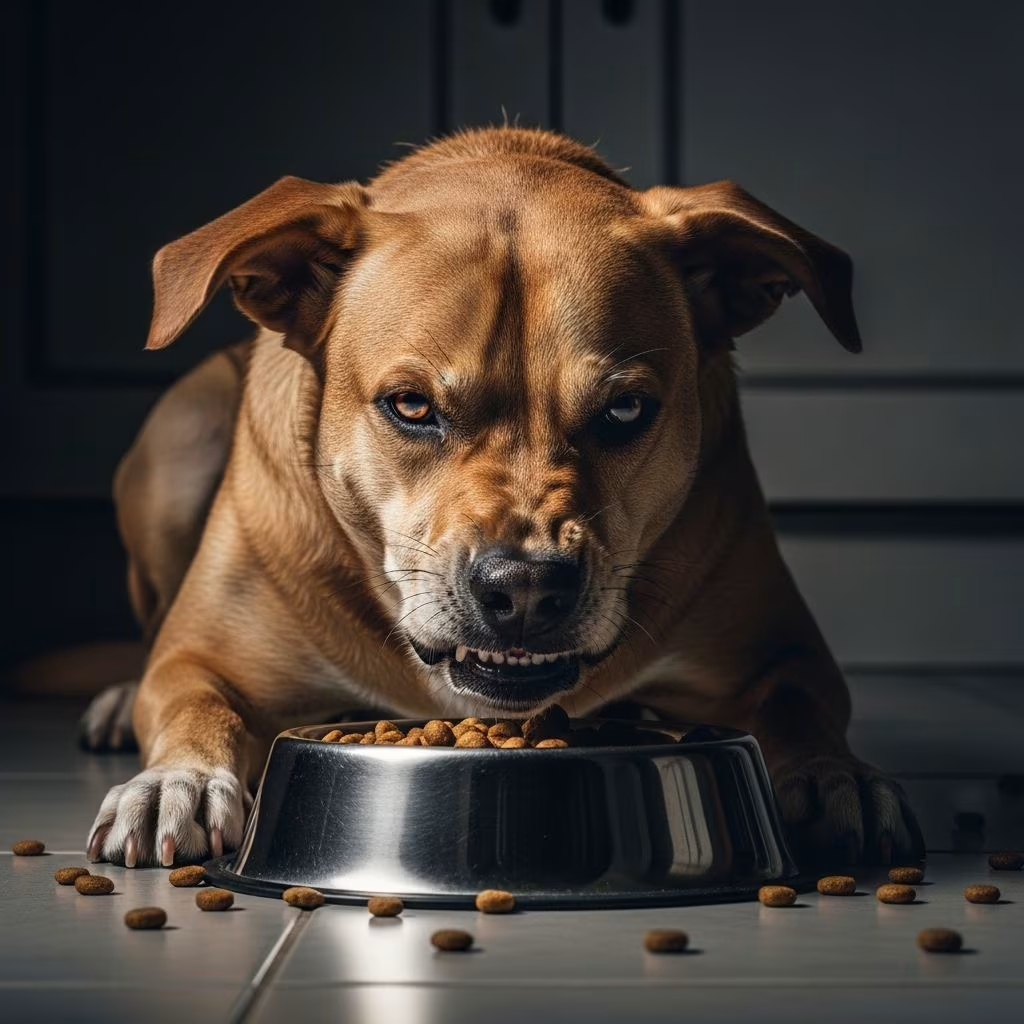
Understanding Food Bowl Aggression in Dogs
Food-related aggression, commonly referred to as food bowl aggression, describes aggressive behavior that occurs when a dog is approached while eating. This behavioral issue manifests when dogs display hostile actions such as growling, snapping, lunging, or biting in response to someone or something coming near their food bowl or food-related items. Dogs exhibiting food-related aggression may also demonstrate aggressive behavior related to other valuable items, including chews, toys, favorite locations, or even preferred people in their lives.
While it may seem like a serious problem, it’s important to understand that food guarding is, at its core, a natural behavior rooted in a dog’s instincts to protect resources. However, when this natural instinct escalates into aggressive displays, it requires careful management and behavioral modification to prevent injuries and ensure the safety of family members, particularly children.
What Are the Warning Signs of Food Bowl Aggression?
Recognizing the subtle signs that your dog is uncomfortable with you or another pet near their food dish is crucial for early intervention. Dogs communicate their discomfort through a range of postures and vocalizations long before they resort to biting. Understanding these signals allows you to implement effective management strategies before the behavior escalates.
Subtle early warning signs that your dog may be experiencing food bowl anxiety include:
- Speeding up eating, swallowing quickly, or gulping food
- Stopping eating when someone approaches
- Stiffening or becoming unusually still
- Staring at or closely watching the person or pet approaching
- Tensing muscles around the face or jaw
- Holding a hard, unblinking stare
- Pinning their ears back
More obvious warning signs that indicate escalating food guarding include:
- Baring or showing teeth
- Snarling or growling
- Lunging toward the approaching person or animal
- Snapping at the air
- Biting or attempting to bite
- Grabbing the food item and moving it away to eat elsewhere
- Chasing people or other pets who come too close to their food
Never ignore these signs, as they represent your dog’s attempt to communicate a need, politely and clearly. Recognizing signs when they are subtle and intervening early is vital for successful long-term management.
Severity Levels of Food Bowl Aggression
Food bowl aggression exists on a spectrum, ranging from mild to severe. Understanding where your dog falls on this spectrum is important for determining the appropriate training approach and whether professional help is needed.
| Severity Level | Behavioral Signs | Risk Level |
|---|---|---|
| Mild | Dog shows teeth and/or growls when approached or touched while possessing or near food | Low to moderate |
| Moderate | Dog snaps and/or lunges when approached or touched while possessing or near food | Moderate to high |
| Severe | Dog bites or attempts to bite when approached or touched while possessing or near food | High |
Dogs are more likely to demonstrate aggression over foods they consider particularly tasty, known as “high-value” foods, such as canned food, special treats, bones, rawhides, or pig’s ears, compared to something less appealing like dry kibble. The specific item triggering the aggression can help you develop targeted management strategies.
Why Do Dogs Develop Food Bowl Aggression?
Food bowl aggression typically develops from a combination of environmental and genetic factors working together.
Genetic and temperament factors: Some dogs are naturally predisposed to guard resources more intensely than others. Dogs who are already shy, fearful, or have anxious temperaments may feel threatened more easily, making them more likely to want to protect their resources. Certain breeds and individual personality types may have a greater natural inclination toward resource guarding.
Environmental and learned behaviors: Dogs often behave aggressively around food-related items because they really enjoy a particular item and don’t want others to have it, because there is a history of conflict (such as being punished) related to the item, or because they come from a background where food was a scarce resource and aggression enabled them to get enough food.
Pain or medical factors: Even easygoing dogs may act out when they’re experiencing pain or discomfort. Dental problems, such as a cracked tooth or gum inflammation, can make chewing painful. Gastrointestinal issues can also cause discomfort, leading to resource guarding. Even conditions like arthritis could make it painful for your dog to move away from their bowl if they feel threatened, increasing the likelihood of aggressive behavior.
Failed communication: Problems often arise when a dog’s subtle signals are not recognized or heeded. When an oncoming person or pet doesn’t back away in response to a dog’s warning signals such as staring or growling, the dog becomes frustrated. Dogs quickly learn that lower-level signals are not helpful, so they escalate to more effective behaviors such as lunging or biting.
Stressful situations: Communal feeding situations can significantly worsen food aggression. Research shows that “communal free feeding is likely to cause problems in dogs with possessive tendencies.” Additionally, stressful situations like visitors or a new pet in the home can increase resource guarding tendencies in susceptible dogs.
How Common Is Food Bowl Aggression?
Food bowl aggression is more prevalent than many dog owners realize. Research indicates that approximately 25% of dog guardians report having a dog that has displayed food aggression at some point. This statistic demonstrates that food bowl aggression is a common behavioral challenge that many households face, making it important for dog owners to understand and address this issue promptly.
Management and Behavior Modification Strategies
Successfully managing food bowl aggression requires a multi-faceted approach that combines environmental management, prevention strategies, and positive behavior modification training. The goal is to change your dog’s emotional response to people approaching their food from defensive to positive.
Environmental management: The first step in managing food bowl aggression is to prevent opportunities for the behavior to occur. Feed each dog separately in individual bowls and always supervise children during mealtimes. This significantly reduces the chance of food-related aggression and potential injuries. Remove your dog’s toys, food bowls, and other possessions when your dog is not using them to prevent opportunities for guarding behavior to develop.
Veterinary consultation: Before beginning any behavior modification program, consult with your veterinarian to rule out underlying medical conditions that could be contributing to food-related aggression. Pain or discomfort can significantly intensify guarding behaviors, and addressing these issues medically should be your first priority.
Professional behaviorist assistance: If your dog displays moderate to severe food bowl aggression with lunging, snapping, or biting, consult with a certified veterinary behaviorist. Professional guidance is essential for developing a safe, effective training plan tailored to your specific situation.
The “approach and retreat” exercise: One effective behavior modification technique helps your dog understand that someone approaching means wonderful, high-value treats appear, while someone moving away means treats stop appearing. This exercise requires:
- Starting at a distance where your dog shows no signs of concern or aggression when you approach with food
- Walking toward the food bowl and immediately tossing a high-value treat directly into the dish
- Walking away immediately after delivering the treat
- Repeating this exercise consistently
- Gradually decreasing the distance at which you pass until you can say “bonus” and toss the high-value treat directly into your dog’s dish as she eats
- Always continuing to walk away after you deliver the treat
This exercise should be practiced multiple times weekly with consistent reinforcement. The key is helping your dog learn through positive association that your approach predicts the arrival of even better treats rather than a threat to their current meal.
High-value treat training: Use treats that are significantly more valuable to your dog than their regular kibble. Small spoonfuls of wet food, small pieces of chicken, or special treats work well. Your dog should be excited to exchange or be interrupted during their meal for the higher-value reward.
Important Precautions During Training
Safety should always be your top priority when working with food bowl aggression. Never attempt to physically remove food from a dog showing signs of guarding, as this can intensify the aggression and potentially result in injury. Instead, use the positive training methods described above that teach your dog to anticipate and enjoy your approach to their food.
Watch for aggression during training sessions, including stiff body posture, showing teeth, growling, snapping, or biting. If these signs appear or worsen during your efforts, discontinue the exercise and seek professional help immediately.
If your dog shows aggression toward strangers, exhibits aggression during handling, or displays multiple problem behaviors beyond food bowl aggression, consult with a veterinary behaviorist. Dogs with multiple problem behaviors are more challenging to place safely in a home than dogs with a single problem.
Frequently Asked Questions About Food Bowl Aggression
Q: Is food bowl aggression a sign that my dog is dominant or bad?
A: No. Food bowl aggression is a learned behavior rooted in a dog’s natural instinct to protect valuable resources. It is not a sign of dominance or a character flaw. With proper management and positive behavior modification, most dogs can learn to feel comfortable with people approaching their food.
Q: Will punishing my dog for food aggression help solve the problem?
A: No, punishment typically makes food bowl aggression worse. Punishing a dog for guarding food increases their anxiety and can intensify their protective behavior. Instead, use positive reinforcement techniques that teach your dog to welcome your approach during feeding time.
Q: Can food bowl aggression be prevented in puppies?
A: Yes. Early positive socialization, including practicing the approach and retreat exercise during puppyhood, can help prevent food bowl aggression from developing. Teaching puppies that your approach to their food predicts positive outcomes creates a strong foundation for healthy eating habits.
Q: Should I hand-feed my dog to prevent food bowl aggression?
A: Hand-feeding can be part of a comprehensive training approach, but it should be done carefully and only after consulting with a veterinary behaviorist. For dogs with existing food aggression, hand-feeding may not be appropriate and could even reinforce guarding behaviors.
Q: How long does it take to resolve food bowl aggression?
A: The timeline for improvement depends on the severity of the aggression, your dog’s age, and consistency with training. Mild cases may show improvement within weeks with dedicated daily practice, while moderate to severe cases may require several months of professional training and behavior modification.
Q: Can food bowl aggression develop suddenly in an adult dog?
A: Yes, sudden onset of food bowl aggression in an adult dog can indicate underlying medical issues such as dental pain, gastrointestinal problems, or other health concerns. Always have your veterinarian evaluate your dog before assuming the behavior is purely behavioral.
When to Seek Professional Help
You should consult with a veterinary behaviorist if your dog displays moderate to severe food bowl aggression, if the behavior has resulted in injuries, or if you feel unsafe managing the behavior yourself. Additionally, seek professional assistance if your dog’s food aggression is worsening despite your efforts or if your dog displays other types of aggression alongside food bowl aggression.
A certified professional can conduct a thorough behavioral assessment, identify underlying contributing factors, develop a customized training plan, and monitor progress throughout the behavior modification process.
Conclusion
Food bowl aggression is a manageable behavioral issue that requires understanding, patience, and consistent training. By recognizing the early warning signs, understanding the underlying causes, implementing appropriate environmental management strategies, and using positive behavior modification techniques, most dogs can learn to feel comfortable with people approaching their food. Remember that aggression around food stems from a dog’s natural protective instincts and learned behavior patterns—not from malice or dominance. With the right approach and professional guidance when needed, you can help your dog overcome food bowl aggression and create a safer, happier household for everyone.
References
- Food Aggression Management Tool — Collaborative for Shelter Dogs, Tufts University. 2024. https://sites.tufts.edu/collaborativeforshelterdogs/dog-behavior/problems-and-management/food-aggression/
- Food Bowl Aggression in Dogs — VCA Animal Hospitals. 2024. https://vcahospitals.com/know-your-pet/food-bowl-aggression-in-dogs
- Dog Food Aggression: Resource Guarding Facts and Information — Sniffspot. 2024. https://www.sniffspot.com/blog/dog-training/how-to-deal-with-food-aggression-in-dogs-facts-infographic
- Food Aggression in Dogs: What You Need to Know — Lemonade Insurance. 2024. https://www.lemonade.com/pet/explained/food-aggression-dogs/
- How to Address Food Aggression in Dogs — Hill’s Pet Nutrition. 2024. https://www.hillspet.com/dog-care/behavior-appearance/food-aggression-in-dogs
- How to Stop Food Aggression and Resource Guarding in Dogs — Best Friends Animal Society. 2024. https://bestfriends.org/pet-care-resources/how-stop-food-aggression-and-resource-guarding-dogs
- Food Guarding in Dogs — ASPCA. 2024. https://www.aspca.org/pet-care/dog-care/common-dog-behavior-issues/food-guarding



