

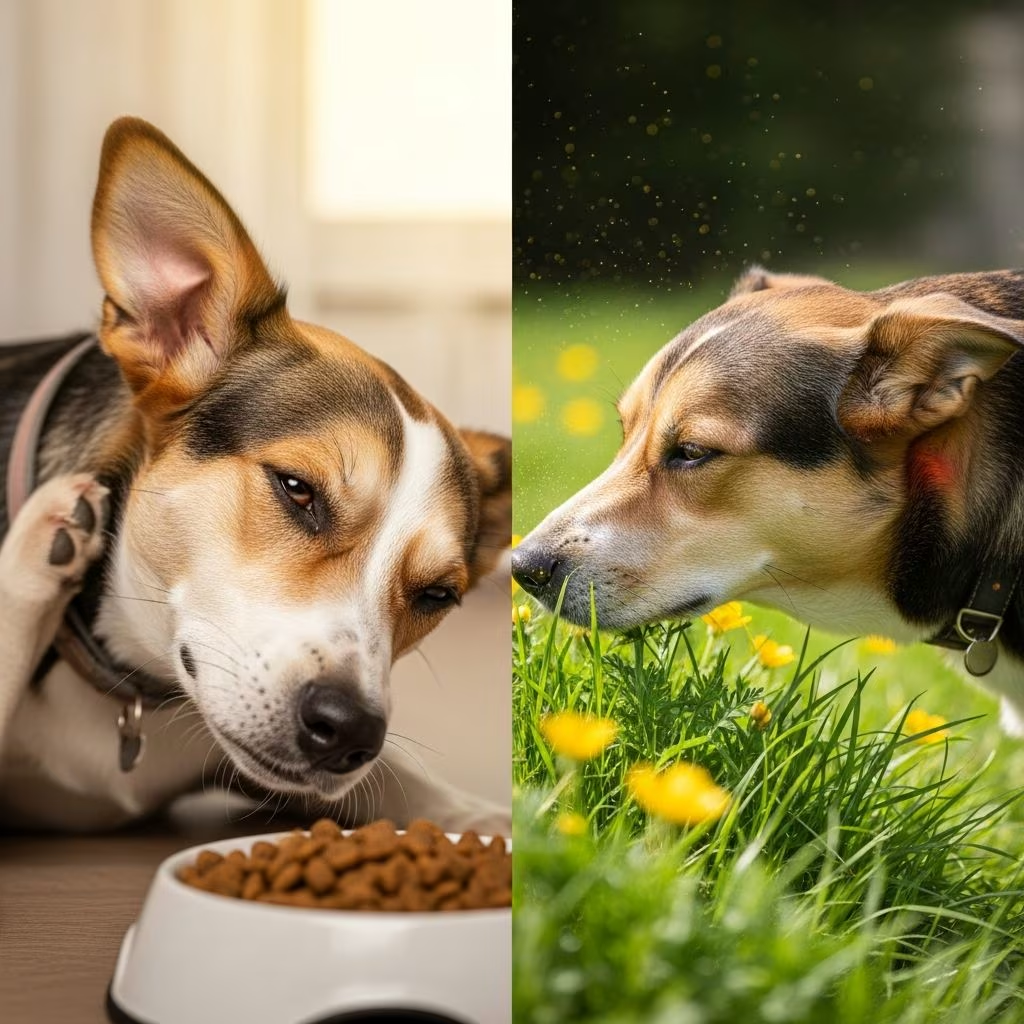
Dog Allergy Symptoms
Allergies in dogs can manifest in various ways, making diagnosis challenging for pet owners. Common dog allergy symptoms may include itchy skin, excessive scratching and licking of self, excessively rubbing the face like on the floor or furniture, recurrent skin and ear infections, and gastrointestinal (GI) signs such as loose stools or vomiting. The type and severity of these signs depend partly on the type of allergy your dog has, and understanding these differences is crucial for proper treatment.
Understanding Seasonal and Environmental Allergies
Seasonal or environmental allergies, also known as atopy, are caused by substances that exist in your home, backyard, and anywhere else your dog spends time. These allergens can be inhaled, as with pollen, or absorbed through the skin when your dog touches them. Common triggers for seasonal allergic reactions include pollens, plant or animal fibers, and mold spores. Some environmental allergies—such as allergies to certain pollens—may occur seasonally, while other environmental allergies, like allergies to dust mites, may occur year round.
In different geographic locations, seasonal allergies can vary significantly. For instance, in warmer climates like Los Angeles, things bloom year-round, exposing dogs to allergens continuously. In contrast, in colder regions like New Jersey, things typically bloom in the spring and are gone by winter. Regardless of where your dog lives, it’s still possible for them to develop year-round allergies, particularly as they age and become more sensitive to environmental triggers.
Common Signs of Seasonal Allergies in Pets
Pets with seasonal allergies often display distinctive symptoms that can help with diagnosis. These include excessive scratching and itching, red inflamed skin or rashes, frequent sneezing or coughing, watery eyes and nasal discharge, licking or chewing paws, and recurring ear infections. The primary symptom in cats and dogs with airborne allergies is itchiness, which results in agitation, scabs, and patches of hair loss. Dogs and cats with airborne allergies may also develop asthma-like symptoms or discharge from the eyes or nose.
Understanding Food Allergies in Dogs
Dogs can develop an allergy to a particular food at any point during their life. Many owners may not immediately suspect their dog has a food allergy because it can take years for their dog to develop an allergy to the food it is fed every day. Food hypersensitivity can occur at any age in a dog’s life, making diagnosis particularly tricky for long-time pet owners.
Most commonly, food allergies are to a specific ingredient in the food. The most common food allergy in dogs is to a protein source in their diet, like chicken or beef. While allergies to grains or other ingredients can occur, they aren’t common. Many dogs are allergic to chicken, dairy, beef, eggs, corn, soy, and wheat, and some of the additives contained in commercial brands of dog food.
Food Allergy Symptom Categories
Dog food allergy symptoms can manifest in several distinct ways. Understanding these categories can help you identify when a food allergy might be responsible for your dog’s discomfort.
Digestive Symptoms: Gastrointestinal symptoms such as vomiting, persistent diarrhea, and even stinky gas can be caused by food allergies. Dogs do tend to eat a lot of things they shouldn’t, but if they exhibit chronic indigestion combined with other symptoms, a food allergy might be at fault. Gastrointestinal issues are usually symptoms that are specifically related to possible food allergies.
Dermatological Symptoms: Symptoms might also manifest as skin irritations. Itchiness, constant licking, hives, or inflamed skin can all indicate an allergic reaction. Other symptoms include recurrent ear infections, self-trauma such as hair loss, scabs or hot spots—areas that have been repeatedly licked or chewed and have become inflamed.
Inflammatory Symptoms: Infections and inflammation can also indicate food allergies. Chronic ear infections, runny eyes, and swelling of the face, ears, lips, or eyelids can all be dog food allergy symptoms.
Key Differences Between Food and Seasonal Allergies
While food allergies and environmental allergies can cause similar symptoms, there are important distinctions between them that can help with diagnosis.
Seasonality Patterns
The most fundamental difference between these two types of allergies is their temporal pattern. Seasonal allergies typically occur during certain times of the year, while food allergies have no seasonality. A food allergy will persist year-round regardless of the season, whereas seasonal allergies appear during specific times of the year, making diagnosis and management more predictable. However, it’s worth noting that approximately 30 percent of pets with food-responsive disease also have seasonal allergies or allergies to fleas.
Over time, seasonal allergies can become more problematic. Allergies can occur at certain times of the year, but they can turn into year-round allergies for older dogs. The more your dog is exposed to the allergens he’s sensitive to, the more intense and long-lasting his allergic response becomes.
Location of Symptoms
One possible indicator of a food allergy is the location of the skin problems. If you notice lesions all over your dog’s body, on the flanks, ribs, hips, or knees, there’s a big chance it’s a food allergy. Conversely, lesions on the top or underside of your dog’s feet often point to environmental allergies, as these are areas most likely to come into contact with environmental allergens.
Diagnosis and Testing
Since many of the signs and symptoms of allergies in dogs are not unique to either type of allergy, diagnosis may require a bit of educated trial and error to pinpoint the exact cause of your dog’s allergy. A visit to your vet should always be your first step.
Professional Evaluation Process
Your vet may need to start with diagnostics to first rule out other conditions before confirming an allergy diagnosis. They will need to rule out skin mites, fungal infections, and endocrine diseases such as hypothyroidism and Cushing’s. Your vet will likely want to start with a review of your dog’s dietary history, including the foods that make up his daily meals as well as any treats. Allergy testing should also be considered as part of a comprehensive evaluation.
Treatment Approaches
Treatment strategies differ depending on whether your dog has a food allergy or seasonal allergy.
Managing Food Allergies
If a food allergy is suspected, the primary treatment involves an elimination diet. It can take a few months to see an improvement in your dog’s food allergies, but it’s important to diligently stick to the prescribed diet and completely eliminate any treats and table scraps. Even certain medications can be flavored, so make sure to discuss all medications your dog may be taking with your veterinarian to ensure they’re an approved part of the diet.
If your dog does well and shows no signs of an allergic reaction, you can gradually add other kinds of food. But if he shows no sign of improvement, regardless of the food source, it may be time to consider that he could be suffering from a seasonal allergy instead.
Managing Seasonal Allergies
Managing seasonal allergies requires a combination of veterinary care, at-home strategies, and environmental modifications. A well-balanced diet can strengthen skin barriers and reduce inflammation caused by allergies. Consider foods containing omega-3 fatty acids (found in fish oil, these help reduce itching and inflammation), antioxidants (which support immune health and minimize allergic reactions), and hydrolyzed protein diets (designed for pets with food sensitivities that exacerbate seasonal allergies).
Severe Allergic Reactions
While most allergies cause manageable discomfort, some allergic reactions can be severe. Signs of a severe allergic reaction include swelling of the face or throat, difficulty breathing, and excessive drooling or vomiting. If your pet exhibits any of these symptoms, seek emergency veterinary care immediately.
Nutritional Support for Allergy Management
Beyond identifying and eliminating allergens, proper nutrition plays a vital role in managing allergies. A well-balanced diet can strengthen skin barriers and reduce inflammation caused by allergies. Key nutritional considerations include omega-3 fatty acids, which help reduce itching and inflammation, and antioxidants, which support immune health and minimize allergic reactions. Hydrolyzed protein diets are specifically designed for pets with food sensitivities that may exacerbate seasonal allergies.
Overlapping Allergies and Complicating Factors
One complicating factor in allergy diagnosis is that food and seasonal allergies can overlap. Many of these allergies present themselves either with skin problems (like itchiness, recurrent infections, ear infections, or hair loss) and/or gastrointestinal signs (like vomiting, diarrhea, or decreased appetite). This overlap makes it essential to work closely with your veterinarian to determine the root cause of your dog’s symptoms.
Frequently Asked Questions
Q: How long does it take to see improvement from an elimination diet for food allergies?
A: It can take a few months to see an improvement in your dog’s food allergies. It’s crucial to stick diligently to the prescribed diet and completely eliminate any treats and table scraps during this period.
Q: Can a dog develop a food allergy to something they’ve been eating for years?
A: Yes, food hypersensitivity can occur at any age in a dog’s life. It can take years for a dog to develop an allergy to food they are fed every day.
Q: What are the most common food allergens in dogs?
A: The most common food allergens in dogs include chicken, dairy, beef, eggs, corn, soy, and wheat. Protein sources like chicken and beef are the most frequently implicated in food allergies.
Q: How can I tell if my dog’s symptoms are from a food allergy versus a seasonal allergy?
A: Seasonal allergies typically occur during certain times of the year and may show lesions on the feet, while food allergies have no seasonality and may show lesions on the flanks, ribs, hips, or knees. Gastrointestinal issues are usually specifically related to food allergies.
Q: What percentage of pets have both food and seasonal allergies?
A: Approximately 30 percent of pets with food-responsive disease also have seasonal allergies or allergies to fleas.
Q: Can seasonal allergies become permanent?
A: Yes, seasonal allergies can turn into year-round allergies for older dogs. The more your dog is exposed to the allergens they’re sensitive to, the more intense and long-lasting the allergic response becomes.
References
- Dog Food Allergies vs Seasonal Allergies — Princess Animal Hospital. 2020-09-01. https://www.princessanimalhospital.com/resources/blog/september-2020/dog-food-allergies-vs-seasonal-allergies
- Seasonal Allergies in Dogs & Cats: What You Need to Know — Parker Center Animal Clinic. 2024. https://parker-vet.com/seasonal-allergies-in-dogs-cats-what-you-need-to-know/
- Allergies in Dogs: Symptoms, Causes, and Treatment — PetMD. 2024. https://www.petmd.com/dog/general-health/food-allergies-vs-seasonal-allergies-dogs
- How to Tell If Your Dog Has a Food Allergy — Animal Care Center. 2024. https://www.animalcarectr.com/blog/how-to-tell-if-your-dog-has-a-food-allergy
- Allergies in dogs and cats are nothing to sneeze at — Virginia Tech News. 2024-05-01. https://news.vt.edu/articles/2024/05/vetmed-pet-allergies.html



