

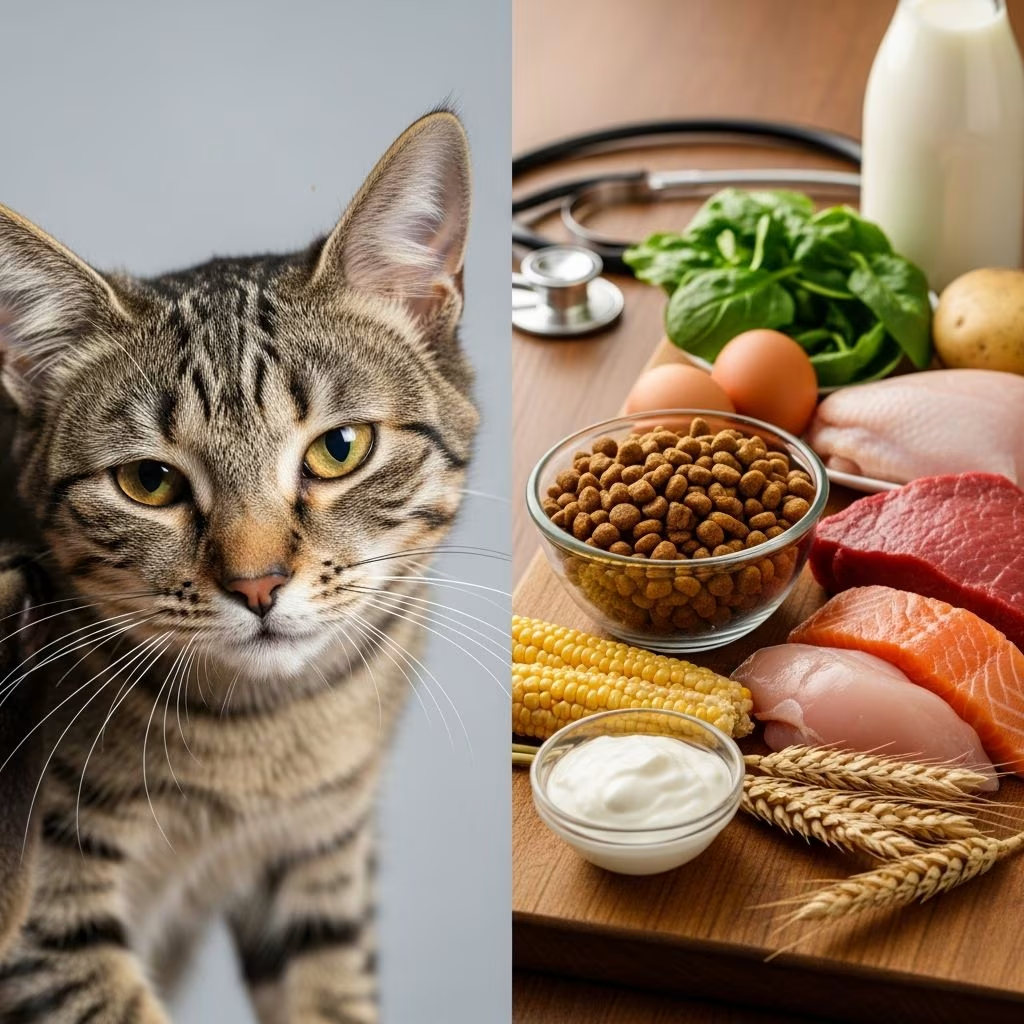
Food allergies represent a significant concern in companion animal medicine, affecting a meaningful proportion of the pet population that seeks veterinary care. Approximately 12% of dogs and less than 1% of cats receiving veterinary attention have been documented with some form of food allergy. These allergic responses manifest primarily through skin-related symptoms, creating discomfort and affecting quality of life for affected animals. Understanding the mechanisms behind these reactions, recognizing clinical presentations, and implementing proper diagnostic and treatment protocols is essential for veterinarians and pet owners alike.
Understanding the Immune Basis of Cutaneous Food Reactions
Food allergies in companion animals stem from an exaggerated immune response to dietary components that would normally be harmless to most individuals. This hypersensitivity occurs when the immune system incorrectly identifies specific food proteins as threatening substances, triggering an inflammatory cascade that results in observable skin symptoms. The exact mechanisms explaining why certain food components provoke cutaneous manifestations rather than gastrointestinal or respiratory symptoms remain incompletely understood by veterinary science.
The inflammatory process involves the pet’s immune system mounting a defensive response upon exposure to specific dietary proteins. Unlike true food intolerances, which involve digestive difficulties without immune involvement, food allergies represent true immunological reactions. These can occur through various pathways involving antibody production and immune cell activation, though not all mechanisms have been fully characterized in veterinary patients.
Common Protein Sources Triggering Allergic Responses
Research has identified specific food proteins as frequent culprits in triggering cutaneous allergic reactions across different species. The prevalence of particular allergens varies between dogs and cats, reflecting differences in their dietary histories and immune responses.
In canine patients, the most frequently identified food allergens include beef, dairy products, chicken, wheat, and lamb. Secondary allergens that appear less commonly but still warrant consideration include soy, corn, egg, pork, fish, and rice. It is noteworthy that the most common allergens in dogs are not necessarily the most frequently consumed proteins, suggesting individual predisposition rather than simple dose-dependent reactions.
In feline patients, beef, fish, and chicken represent the primary food allergens of concern. Cats demonstrate a different allergen profile compared to dogs, with fish appearing more prominently as a problematic ingredient. Secondary allergens in cats include wheat, corn, dairy products, and lamb.
Pet owners frequently overlook hidden sources of allergens beyond primary diet components. Flavored medications, nutritional supplements, dental treats, and flavoring agents in commercial preparations can introduce problematic proteins. Additionally, inconsistencies in food labeling and ingredient transparency create challenges in identifying all potential allergen exposures. The inclusion of animal fats, meat by-products, and meat and bone meal under vague labeling categories further complicates allergen avoidance efforts.
| Species | Primary Allergens | Secondary Allergens |
|---|---|---|
| Dogs | Beef, dairy products, chicken, wheat, lamb | Soy, corn, egg, pork, fish, rice |
| Cats | Beef, fish, chicken | Wheat, corn, dairy products, lamb |
Recognizing Clinical Presentations of Cutaneous Food Allergies
The clinical manifestations of food allergies in companion animals demonstrate considerable variability, making diagnosis based on symptomatology alone impossible. However, recognizing patterns of presentation helps veterinarians develop appropriate diagnostic strategies and educate clients about suspected conditions.
Canine Clinical Presentations
The most consistently reported cutaneous sign in dogs with food allergies is pruritus, or itching sensation. This pruritus frequently manifests as non-seasonal in nature, distinguishing it from atopic dermatitis triggered by environmental allergens. Affected dogs typically display behavioral signs of discomfort including excessive licking, chewing, scratching, and rubbing against surfaces or furniture.
Common anatomical locations affected by food allergy-related pruritus in dogs include the paws, face, ears, abdominal region, and areas under the tail. In some cases, pruritus remains localized to the ear region, creating presentations mimicking primary otitis externa. Secondary complications frequently develop as animals traumatize their skin through excessive self-grooming.
Dogs with cutaneous food allergies frequently develop recurrent bacterial skin infections as secondary manifestations. These infections result from disruption of normal skin barrier function and increased susceptibility through constant trauma. Additionally, recurrent yeast dermatitis and relapsing otitis externa commonly occur in affected animals. Many dogs experience both primary food allergy symptoms and concurrent atopic dermatitis, with both conditions contributing to overall pruritus burden.
Alopecia, or hair loss, develops secondary to excessive licking and chewing behaviors rather than from the allergy itself. Symmetric patterns of hair loss may develop, particularly in regions of frequent self-trauma.
Feline Clinical Presentations
Cats with cutaneous food allergies present with different clinical patterns compared to canine counterparts. Most affected felines display pruritus, particularly affecting the head, face, and neck regions, with the abdomen and ears also commonly involved. Head-and-neck self-traumatic dermatitis represents a characteristic presentation in cats, sometimes appearing as one-sided localization despite bilateral allergen exposure.
Symmetric self-induced alopecia develops from chronic licking and grooming behaviors. Miliary dermatitis, characterized by small crusty lesions distributed across the skin surface, frequently accompanies food allergy in cats. Eosinophilic disease variants, including eosinophilic plaques and linear granulomas, may develop as manifestations of food allergic reactions in feline patients.
Importantly, cats appear to develop food allergy signs later than dogs with the same condition, and cats may demonstrate higher incidence of dietary intolerance compared to canines. The prevalence of cutaneous adverse food reactions in cats combined with other concurrent hypersensitivities complicates clinical diagnosis.
Diagnostic Approaches to Confirming Food Allergies
The cornerstone of food allergy diagnosis remains the dietary elimination trial followed by controlled dietary challenge. In-vivo testing through dietary manipulation provides the only reliable diagnostic method, as blood and salivary testing demonstrate poor sensitivity and specificity.
Elimination Diet Protocol
A successful elimination trial requires strict adherence to a single-protein source exclusion diet that avoids all previously consumed proteins and chemically similar proteins that might trigger cross-reactivity. The typical duration extends from 8 to 12 weeks of exclusive consumption, with absolutely no exceptions for treats, flavored medications, supplements, or other dietary additions.
Several dietary options exist for elimination trials. Novel protein diets feature protein sources not previously fed to the individual patient, selected carefully to avoid cross-reactive species. The selection of appropriate novel proteins requires comprehensive dietary history to identify genuinely new ingredients.
Hydrolyzed protein diets contain proteins broken down into such small molecular components that the immune system fails to recognize the original source. This approach bypasses allergic recognition mechanisms, allowing assessment of other potential causes while using familiar protein sources.
Combination diets incorporating both novel and hydrolyzed proteins offer additional options, as do elemental diets formulated with simplified nutrient profiles. Many veterinarians prescribe prescription-formulated diets specifically designed for diagnostic purposes under professional guidance.
Provocative Dietary Challenge
Following successful completion of the elimination phase—typically demonstrated by resolution or substantial improvement of clinical signs—the diagnostic process continues with controlled reintroduction of suspected allergens. Reintroduction of previously problematic foods should produce clinical recurrence of symptoms, confirming the food allergy diagnosis. This provocative rechallenge phase definitively establishes the causative relationship between specific dietary components and clinical manifestations.
Why Laboratory Testing Falls Short
Although blood and salivary immunoglobulin testing appears appealing as non-invasive diagnostic options, research demonstrates these approaches lack adequate sensitivity and specificity for reliable diagnosis. These tests show low repeatability and highly variable accuracy across different animals and testing methodologies. Current veterinary consensus acknowledges dietary elimination with provocation challenges as the gold standard diagnostic approach.
Management Strategies for Food Allergic Patients
Once food allergy diagnosis is confirmed through dietary elimination and challenge procedures, management focuses on long-term allergen avoidance combined with symptomatic treatment as needed.
Primary Management: Allergen Avoidance
The most fundamental management approach involves permanent avoidance of identified allergens. Pet owners must maintain strict vigilance regarding all dietary components, including hidden sources in supplements, medications, and treats. Many owners successfully maintain their pets on the elimination diet that proved effective during the diagnostic phase if the diet provides balanced long-term nutrition.
Alternatively, some pet owners cautiously experiment with other diets under veterinary guidance to identify additional tolerated foods, gradually expanding dietary variety while maintaining allergen avoidance. This approach requires careful monitoring for any clinical recurrence indicating a problematic ingredient.
Symptomatic Treatment of Pruritus
While allergen avoidance remains the primary management strategy, antipruritic therapy may be necessary to control discomfort and secondary skin complications during the diagnostic phase or when other allergic conditions coexist. Various antipruritic options exist, though their discussion extends beyond the scope of cutaneous food allergy management specifically.
Emerging Immunotherapy Approaches
Food-specific allergen immunotherapy represents a developing therapeutic avenue with potential future applications in food allergy management. Sublingual immunotherapy for desensitization has demonstrated potential benefits in research settings with canine patients, though this modality remains experimental and limited in availability. While commonly employed in human medicine, veterinary application of food-specific immunotherapy remains in early investigation phases.
Special Considerations in Diagnosis and Management
Concurrent Allergic Conditions: Approximately 75% of dogs diagnosed with cutaneous adverse food reactions harbor other significant concurrent hypersensitivities. This reality complicates diagnosis and management, as multiple allergen sources may contribute simultaneously to clinical presentations. Addressing all relevant allergies improves clinical outcomes.
Age and Breed Considerations: Food allergies affect dogs and cats of any age, breed, and gender. However, approximately twice the proportion of juvenile dogs compared to cats present with food allergy diagnoses. No reliable breed predisposition data exists, suggesting individual variation rather than inheritable breed susceptibility.
Seasonal versus Non-Seasonal Pruritus: Food allergy-induced pruritus characteristically persists non-seasonally throughout the year, distinguishing it from environmental atopic dermatitis that typically demonstrates seasonal fluctuation. Non-seasonal pruritus warrants food allergy consideration in the differential diagnosis.
Frequently Asked Questions About Cutaneous Food Allergies
Can food allergies develop suddenly in older pets?
Yes. Food allergies are not exclusively conditions of juvenile animals. Sensitization to food components can develop at any life stage, even if a pet has consumed a particular food for many years without problems. This differs from food intolerances, which might emerge earlier in life.
Are grain-free diets necessary for food-allergic pets?
No. While grains such as wheat can trigger food allergies in some animals, many food-allergic pets tolerate grain-containing diets without difficulty. Conversely, some animals react to novel proteins in grain-free formulations. Diagnosis determines the specific allergens requiring avoidance; blanket recommendations for grain-free diets lack scientific foundation for food allergy management.
Why don’t over-the-counter limited ingredient diets reliably diagnose food allergies?
Over-the-counter limited ingredient diets lack the manufacturing controls and ingredient verification of prescription elimination diets. Additionally, incomplete ingredient labeling, hidden allergens from flavoring agents and by-products, and potential cross-contamination during manufacturing compromise the diagnostic reliability of these products for food allergy assessment.
How long does improvement take once an allergen is identified and avoided?
Clinical improvement typically becomes apparent within 2-4 weeks of strict allergen elimination, with maximal improvement often requiring 8-12 weeks. Secondary skin infections and yeast colonization may require additional time to resolve even after eliminating the primary allergen.
References
- Cutaneous Food Allergy in Animals – Integumentary System — Merck Veterinary Manual. 2024. https://www.merckvetmanual.com/integumentary-system/food-allergy/cutaneous-food-allergy-in-animals
- Food Allergy (Cutaneous Adverse Food Reactions) — The Skin Vet. 2024. https://www.theskinvet.net/nutrition-hypoallergenic-raw-etc/cutaneous-adverse-food-reactions-food-allergy/
- Signalment and Cutaneous Manifestations of Dogs and Cats with Adverse Food Reactions — PubMed Central (PMC). 2019. https://pubmed.ncbi.nlm.nih.gov/31072328/
- Four Myth-Busting Facts About Cutaneous Adverse Food Reactions — City by the Sea Veterinary Hospital. 2024. https://www.citybytheseavet.com/services/blog/four-myth-busting-facts-about-cutaneous-adverse-food-reactions-food-allergies-dogs
- Food Allergies In Dogs — Veterinary Skin & Ear. 2024. https://veterinaryskinandear.com/food-allergies-in-dogs/
- Food Allergies — Cornell University College of Veterinary Medicine. 2024. https://www.vet.cornell.edu/departments-centers-and-institutes/cornell-feline-health-center/health-information/feline-health-topics/food-allergies



