

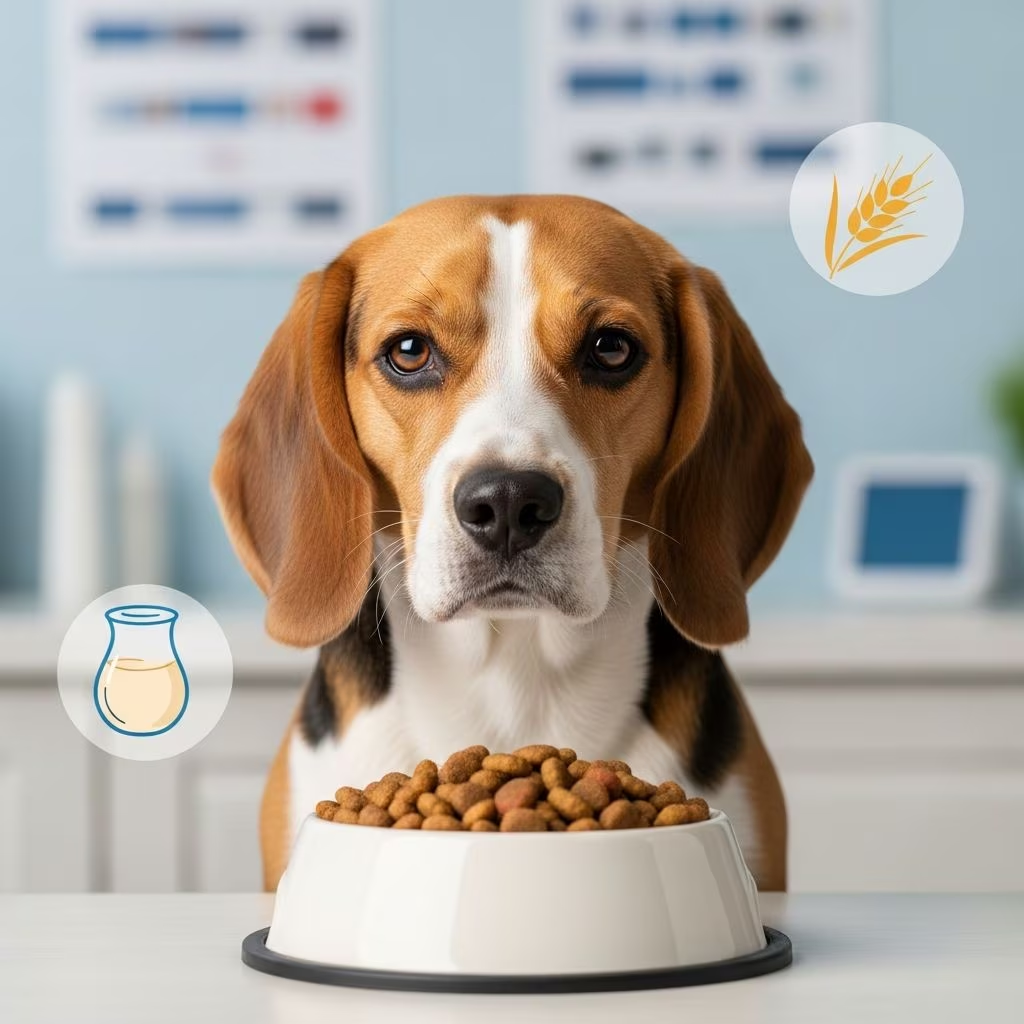
Understanding Food Allergies in Dogs
Food allergies in dogs represent an immune system response to specific proteins or ingredients in their diet. Unlike food intolerances, which affect the digestive system, true food allergies trigger the immune system to react abnormally to certain food components. When a dog with a food allergy encounters an allergen, their immune system produces antibodies that recognize the protein as a threat, initiating an inflammatory response that manifests in various symptoms throughout the body.
It’s important to understand that food allergies are less common than many pet owners believe. Only approximately 0.2% of dogs are actually affected by true food allergies, making them relatively rare compared to environmental allergies such as seasonal allergies or flea and tick allergies. However, when they do occur, food allergies can significantly impact your dog’s quality of life and require careful management.
Signs and Symptoms of Food Allergies
Recognizing the signs of food allergies in your dog is the first step toward diagnosis and treatment. The symptoms can vary widely among individual dogs and may develop suddenly, even if your pet has eaten the same food for years without problems. Food allergies can develop at any age, though they most commonly appear before one year of age.
Skin-Related Symptoms
The most common manifestation of food allergies in dogs is itching, which typically affects specific areas of the body including the paws, face, ears, belly, and under the tail. This itching often leads to secondary complications as dogs scratch, lick, chew, and rub affected areas, potentially causing:
– Redness and inflammation of the skin and ears- Dry, flaky skin and increased dandruff- Oily skin and hair coat- Hot spots or eczema from excessive self-trauma- Hair loss and patchy bald areas- Skin lesions and wounds from scratching- Bacterial skin infections from repeated trauma- Yeast infections in affected areas
Ear-Related Issues
Ear infections occur in approximately 50% of dogs with food allergies and can sometimes be the only visible symptom. These infections may be characterized by redness, inflammation, discharge, and a foul odor. Repeated ear infections that don’t respond well to standard treatment often indicate an underlying food allergy rather than a primary ear infection.
Gastrointestinal Symptoms
While skin symptoms are most common, gastrointestinal problems affect approximately 30% of dogs with food allergies, particularly younger puppies. These symptoms include:
– Vomiting and regurgitation- Diarrhea or soft stools- Excessive gas and flatulence- Increased frequency of bowel movements- Weight loss and decreased appetite- Lethargy and decreased energy levels
Other Clinical Signs
Additional symptoms that may indicate food allergies include red or watery eyes, conjunctivitis, hives, sneezing, and excessive grooming behavior. In rare cases, more serious reactions such as bronchitis or anaphylaxis can occur, though these are uncommon.
Common Food Allergens in Dogs
While virtually any food ingredient can theoretically cause an allergy in a susceptible dog, certain ingredients are far more commonly identified as allergens. Research consistently shows that proteins are the primary culprits, accounting for the vast majority of food allergies in canines.
Most Common Allergens
The following protein sources are the most frequently identified allergens in dogs with food allergies:
– Beef: Responsible for approximately 34% of food allergies in dogs- Dairy: Accounts for about 17% of food allergies- Chicken: Found in approximately 15% of food allergy cases- Wheat: Present in about 13% of cases- Lamb: Responsible for roughly 5% of food allergies
Less Common Allergens
Additional ingredients that may cause allergies in some dogs include soy, corn, eggs, pork, fish, and rice. Carbohydrate sources, vegetables, and fruits can also act as allergens in specific individual pets, though this is less common than protein-based allergies. Interestingly, the prevalence of allergies does not always correlate with how frequently an ingredient appears in commercial dog foods.
Timing of Allergic Reactions
Once an allergic dog is exposed to their specific allergen, the timing of symptom onset can vary considerably. Some dogs may exhibit allergic reactions within hours of ingesting the problematic food, while others may take several days to show visible symptoms. This delayed reaction can sometimes make it difficult for owners to connect specific foods with allergic responses.
Diagnosis of Food Allergies
Accurately diagnosing a food allergy requires a systematic approach and should always be conducted under veterinary supervision. There are no blood tests or other quick diagnostic methods that can definitively identify food allergies, making the elimination diet trial the gold standard for diagnosis.
The Elimination Diet Trial
An elimination diet trial involves feeding your dog a restricted diet containing ingredients they have never consumed before for a specific period. This dietary test must be performed carefully and precisely under veterinary guidance, as it is fundamentally different from simply changing your dog’s food or trying multiple diet changes haphazardly.
The typical elimination diet trial lasts between 2 to 3 months, though many veterinarians recommend starting with at least 4 weeks to observe initial improvement. During this period, your dog must receive exclusively the prescribed diet—nothing else, including treats, table scraps, flavored medications, or foods from other household members. This strict adherence is critical for obtaining reliable results.
During an elimination diet trial, you should expect to see approximately 50% improvement in symptoms within the first 4 weeks if a food allergy is present. If no improvement is observed after 8 weeks, it is unlikely that a food allergy is the primary problem, and other causes such as environmental allergies should be investigated.
Types of Elimination Diets
Veterinarians may recommend different types of elimination diets depending on your dog’s history and individual circumstances:
Hydrolyzed Protein Diets: These specialized diets have proteins broken down into extremely small amino acid chains that the immune system cannot recognize as allergens. This prevents the allergic reaction from occurring, allowing you to identify if a food allergy is responsible for your dog’s symptoms.Novel Protein Diets: These diets feature unusual protein and carbohydrate sources that your dog has never been exposed to before, combined with limited ingredients to minimize potential allergens. Examples might include venison, duck, or kangaroo as protein sources.
Additional Testing Considerations
Sometimes additional treatments or diagnostics may be needed alongside the elimination diet to obtain reliable and informative results. If a food trial provides only partial improvement or proves unhelpful, environmental allergies are likely contributing to your dog’s symptoms. In such cases, intradermal skin testing can identify environmental allergens, and allergy shots may be recommended for long-term management.
Treatment Options for Food Allergies
Once a food allergy has been definitively diagnosed through an elimination diet trial, the primary treatment is straightforward: complete avoidance of the offending allergen. Unlike some other conditions, food allergies cannot be cured, only managed through lifelong dietary restriction.
Dietary Management
The cornerstone of food allergy treatment is maintaining a diet that has been proven safe for your individual dog. This typically means continuing with the hypoallergenic diet that was successful during the elimination trial or finding an alternative diet that avoids the identified allergen. You must carefully read all food labels, ensure all household members follow the dietary restrictions, and select treats and medications that do not contain the allergen.
Symptomatic Medications
Because it can take 8 to 12 weeks for itching to improve on a new diet alone, veterinarians commonly prescribe anti-itch medications to keep dogs comfortable while waiting for dietary changes to take effect. Several medication classes are available:
Cytopoint (Lokivetmab): A monoclonal antibody that blocks itch mediators from signaling the nervous system. It provides relief for several weeks and is considered very safe with minimal side effects.Apoquel (Oclacitinib): A Janus-kinase inhibitor that blocks cytokines involved in itching and inflammation. It works rapidly, providing relief within 18 to 24 hours, though it cannot be used in dogs under one year of age.Atopica (Cyclosporine): A calcineurin inhibitor that reduces inflammation and addresses itching by targeting white blood cells. It has mild to moderate potential side effects compared to other options.Antihistamines: Medications like Benadryl and Zyrtec block histamine receptors but are generally less effective in dogs than in humans due to variable oral absorption. However, they are very safe options.Steroids (Prednisone): Anti-inflammatory corticosteroids can reduce itching and inflammation but are typically reserved for short-term use due to potential side effects with long-term administration.
Managing Secondary Infections
Because allergic dogs frequently develop bacterial or yeast infections from scratching and inflammation, additional treatments may be necessary:
– Antibiotics: Oral medications treat bacterial skin infections, though long-term use can lead to antibiotic resistance- Antifungal medications: Oral or topical treatments address yeast infections- Topical treatments: Antimicrobial shampoos, mousses, sprays, lotions, and ointments help manage skin infections- Ear treatments: Medicated ear drops and cleaners address ear infections
Supplements and Additional Support
Many veterinarians recommend omega-3 and omega-6 fatty acid supplements to strengthen the natural barrier function of the skin and reduce inflammation. These supplements can be beneficial adjuncts to pharmaceutical treatments and dietary management.
When Environmental Allergies Are Also Present
Many dogs with food allergies also suffer from environmental allergies triggered by pollen, dust, mold, or other airborne allergens. When both conditions are present, addressing the food allergy alone may provide only partial relief. In these cases, additional environmental allergy management through intradermal skin testing and immunotherapy (allergy shots) may be recommended as a non-pharmaceutical approach to desensitize the immune system to environmental triggers.
Long-Term Management and Outlook
Food allergies in dogs require lifelong management rather than cure. The good news is that once the specific allergen has been identified, managing the condition becomes straightforward—simply avoid that ingredient indefinitely. Working closely with your veterinarian, you can identify safe foods, appropriate treats, and medications that keep your dog comfortable and symptom-free. Regular monitoring and communication with your veterinary team ensure that your management strategy remains effective as your dog ages and new products become available.
Frequently Asked Questions
Q: Can food allergies develop suddenly in a dog that has eaten the same food for years?
A: Yes, absolutely. Food allergies can develop at any age, including in senior dogs, even if they have consumed the same diet throughout their lives without problems. The immune system can develop sensitivity to previously tolerated ingredients over time.
Q: How long does an elimination diet trial take?
A: Elimination diet trials typically last 2 to 3 months, with most veterinarians recommending a minimum of 4 weeks to observe initial improvement. If no improvement is seen after 8 weeks, a food allergy is unlikely the primary cause.
Q: Is there a cure for food allergies in dogs?
A: No, food allergies cannot be cured. They can only be managed through lifelong avoidance of the identified allergen and, when necessary, symptomatic medications and treatment of secondary infections.
Q: Can I treat food allergies with antihistamines alone?
A: Antihistamines are generally less effective in dogs than in humans for food allergy symptoms due to variable absorption. Most dogs require stronger medications like Cytopoint or Apoquel for adequate relief.
Q: What should I feed my dog during an elimination diet trial?
A: Your veterinarian will recommend either a hydrolyzed protein diet or a novel protein diet consisting of ingredients your dog has never eaten before. Your dog must eat only this prescribed diet during the trial, with no treats, table scraps, or other food sources.
References
- Food Allergies in Dogs — VCA Animal Hospitals. 2024. https://vcahospitals.com/know-your-pet/food-allergies-in-dogs
- Food Allergies and Intolerances in Dogs — PetMD. 2024. https://www.petmd.com/dog/conditions/digestive/food-allergies-dogs
- Everything You Need to Know About Dog Food Allergies — American Kennel Club. 2024. https://www.akc.org/expert-advice/nutrition/dog-food-allergies/
- Food Allergies In Dogs — Veterinary Skin & Ear. 2024. https://veterinaryskinandear.com/food-allergies-in-dogs/
- Food Allergies in Pets: Signs, Common Triggers, Diagnosis, Treatment — Veterinary Dermatology Clinic. 2024. https://www.vetdermclinic.com/food-allergies-in-pets-signs-common-triggers-diagnosis-treatment/
- Decoding Dog Allergies: Symptoms, Testing, and Treatment — American Animal Hospital Association. 2024. https://www.aaha.org/resources/decoding-dog-allergies-symptoms-testing-and-treatment/
- Food Allergens — Pet Dermatology Clinic. 2024. https://www.petdermatologyclinic.com/food-allergens



