

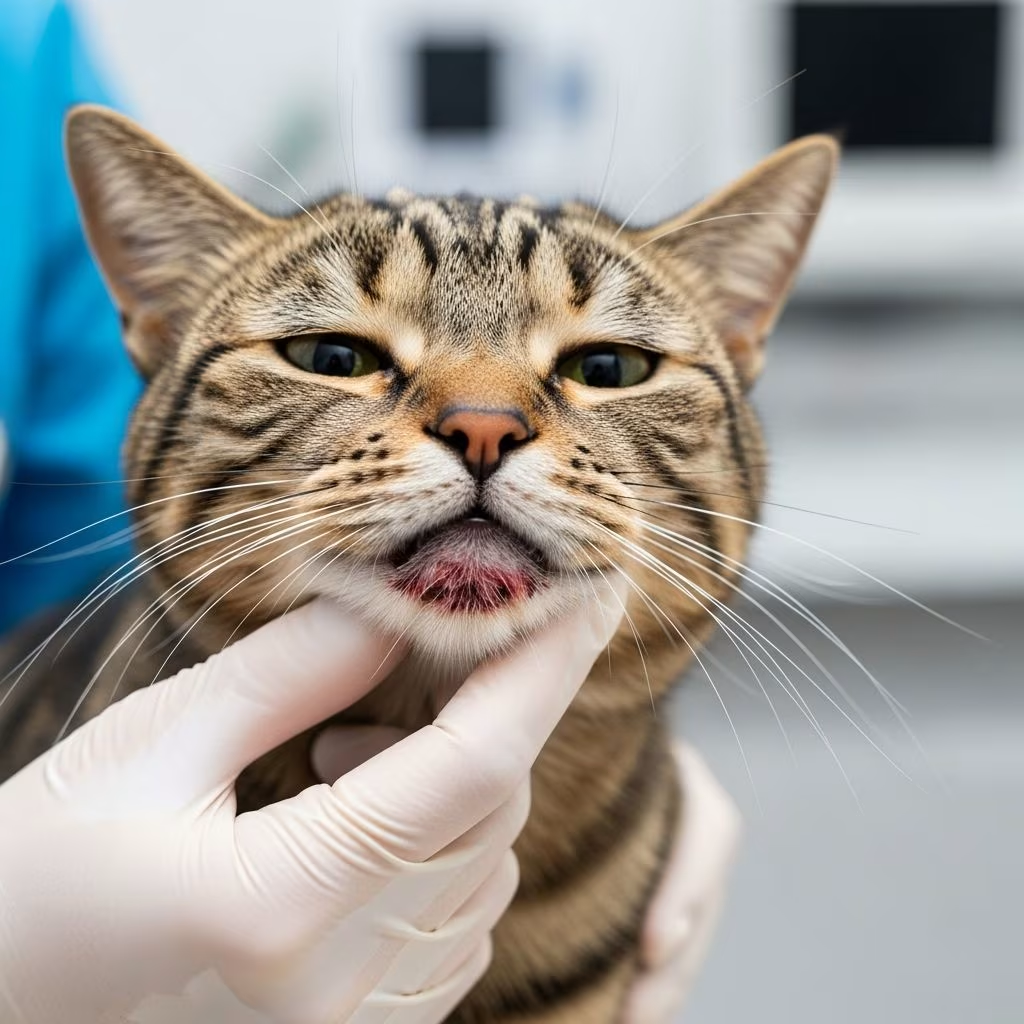
Understanding Food Allergies in Cats
Food allergies in cats represent a challenging condition that affects the feline immune system’s response to certain dietary components. Unlike food intolerances, which involve digestive issues, true food allergies trigger an abnormal immune system reaction to specific proteins or other food ingredients. Understanding this distinction is crucial for pet owners seeking to help their cats recover from chronic symptoms and discomfort. When a cat consumes an allergen repeatedly over an extended period, their immune system gradually develops a hypersensitive response, leading to various clinical manifestations that can significantly impact their quality of life.
Clinical Signs of Food Allergies in Cats
The presentation of food allergies in cats is highly variable, though certain patterns commonly emerge. The most prevalent symptom is chronic, year-round itching that persists regardless of seasonal changes. This persistent itching distinguishes food allergies from environmental allergies, which typically follow seasonal patterns. The itching sensation typically concentrates on specific body areas, though it can appear virtually anywhere on the feline body.
Skin-Related Symptoms
Cats with food allergies frequently exhibit severe itching that leads to excessive self-grooming and self-trauma. The most commonly affected areas include the face, ears, belly, groin, armpits, legs, and paws. This over-grooming behavior results in various skin conditions that become visible to attentive owners:
- Hair loss resulting from excessive licking, scratching, and biting
- Small, pale, fluid-filled lumps or pustules on the skin (miliary dermatitis)
- Redness and inflammation of affected skin areas
- Skin lesions, crusts, and ulcerations from self-inflicted trauma
- Plaques or raised circular nodules on the skin
- General deterioration of the coat quality and appearance
- Recurrent bacterial and yeast infections of the skin and ears
In some cases, ear infections may be the only clinical sign of food allergies in cats. These infections can become chronic and recurrent, requiring repeated veterinary treatment. The constant itching and inflammation can lead to thickened, discolored, or malodorous ears, indicating secondary infection.
Gastrointestinal Symptoms
While skin symptoms dominate the presentation of food allergies in cats, some felines also develop gastrointestinal complications. Research indicates that approximately 10-15% of cats with food allergies experience digestive issues alongside their skin symptoms. These gastrointestinal manifestations may include:
- Vomiting or chronic regurgitation
- Diarrhea or soft stools
- Increased frequency of bowel movements
- Straining during defecation
- Scooting (dragging the hindquarters) due to itching around the rectum
- Excessive gas or flatulence
- General abdominal discomfort
The combination of skin and gastrointestinal symptoms suggests a more systemic allergic response and typically necessitates more comprehensive diagnostic and management approaches.
Onset and Progression of Food Allergies
One of the most confusing aspects of feline food allergies is their delayed onset. Many cats develop allergies to foods they have consumed without issue for months or even years. This phenomenon occurs because the immune system requires an extended period to develop antibodies against specific proteins or carbohydrates. Pet owners are often puzzled when their cats suddenly show allergic reactions to a diet they have eaten for an extended duration without problems.
The symptoms do not appear suddenly but rather develop gradually and intensify over months or longer. Owners typically notice initial mild itching that progressively worsens, followed by the emergence of visible skin lesions, hair loss, and coat deterioration. Understanding this gradual progression helps owners recognize that food allergies are responsible for their cat’s symptoms, even when the cat has consumed the same food for years without obvious problems.
Diagnosing Food Allergies in Cats
Diagnosing food allergies in cats presents a significant challenge because the clinical signs overlap substantially with other common feline conditions. Chronic itching and skin inflammation can result from external parasites (particularly fleas), bacterial infections, yeast infections, environmental allergies, or other underlying health issues. Therefore, veterinarians must employ a systematic diagnostic approach to accurately identify food allergies as the source of the problem.
The Elimination Diet Trial
Currently, the only reliable and definitive diagnostic test for food allergies in cats is the elimination diet trial, also called a hypoallergenic diet trial. This diagnostic process involves feeding a specially formulated diet that contains only novel protein sources and carbohydrates that the cat has never been exposed to previously. The elimination diet trial typically lasts a minimum of 8 to 12 weeks, during which the cat consumes absolutely nothing except the prescribed food and water.
Strict adherence to the elimination diet is absolutely critical for accurate diagnosis. Any deviation—including treats, flavored medications, supplements, or even minor food items—can compromise the trial’s validity and lead to inconclusive results. Pet owners must remove all other dietary sources to ensure the test accurately identifies the allergen.
Types of Elimination Diets
Veterinarians may recommend several types of specialized diets for the elimination trial:
- Novel protein diets: Contain protein sources the cat has never consumed, such as venison, duck, rabbit, or kangaroo
- Prescription hydrolyzed protein diets: Contain proteins broken down into such small molecules that the immune system cannot recognize them as allergens
- Limited ingredient diets: Contain only one or two carefully selected protein and carbohydrate sources
- Homemade elimination diets: Prepared under veterinary supervision with specific ingredients selected based on the cat’s dietary history
The Food Challenge Test
If the cat’s allergic symptoms significantly improve or completely resolve during the 8 to 12-week elimination diet trial, the veterinarian proceeds to the food challenge phase. This step involves reintroducing the cat’s original diet to confirm that the previous food was indeed responsible for the allergic symptoms. If symptoms return within one week of reintroducing the original food, the cat has been definitively diagnosed with a food allergy.
For owners interested in identifying the specific ingredient causing the allergy, veterinarians can guide them through a sequential provocation process. This involves adding individual suspected food allergens to the diet for up to two weeks at a time, carefully monitoring for the reemergence of allergic symptoms. This process helps pinpoint the exact offending ingredient so that cats can consume appropriate alternative foods without triggering reactions.
Common Food Allergens in Cats
Certain proteins appear more frequently as allergens in cats than others. The most common culprits include beef, chicken, and fish, though cats can develop allergies to virtually any food ingredient. Less common but still significant allergens include wheat, corn, dairy products, lamb, eggs, barley, and rabbit. It is important to recognize that the ingredient most frequently fed is often the most common allergen simply due to greater exposure over time.
Differential Diagnosis Considerations
Before definitively attributing a cat’s symptoms to food allergies, veterinarians must rule out other potential causes of chronic itching and skin inflammation. Additional testing may be recommended to evaluate for external parasites, bacterial or yeast infections, and other allergic conditions. These diagnostic steps ensure that the elimination diet trial is conducted in the context of complete information about the cat’s overall health status.
Management and Long-Term Care
Once a food allergy has been definitively diagnosed, successful management requires lifelong dietary modification. Cats must permanently avoid the offending ingredient or ingredients. Many cats can transition successfully to alternative diets once the allergen is identified and eliminated. Pet owners should work closely with their veterinarian to select appropriate long-term dietary options that are nutritionally complete and well-tolerated.
During the transition period from the elimination diet to a permanent alternative diet, some cats may experience temporary symptom flare-ups. Veterinarians may recommend symptomatic treatments to manage itching and inflammation while the cat adjusts to the new permanent diet. These may include topical treatments, anti-inflammatory medications, or other supportive care measures.
Distinguishing Food Allergies from Other Conditions
Pet owners should understand that chronic itching in cats can stem from multiple causes. The most common alternative causes of year-round itching include environmental allergies, flea bite allergies, ear mites, and other parasitic infections. Environmental allergies, however, typically show seasonal variation, whereas food allergies persist consistently throughout the year. This distinction can help guide initial clinical suspicions, though definitive diagnosis always requires the elimination diet trial.
Frequently Asked Questions About Cat Food Allergies
Q: Can a cat develop food allergies even if they have eaten the same food for years without problems?
A: Yes, absolutely. Most cats with food allergies have consumed their problematic food for two years or longer. The immune system requires extended exposure time to build antibodies against specific proteins, so allergies can develop suddenly even after years of eating the same diet without issue.
Q: What percentage of cats with food allergies experience gastrointestinal symptoms?
A: Approximately 10-15% of cats with food allergies develop gastrointestinal symptoms such as vomiting and diarrhea. The majority of affected cats experience primarily skin and ear symptoms.
Q: How long does an elimination diet trial typically take?
A: The elimination diet trial generally lasts a minimum of 8 to 12 weeks. This extended period is necessary for the cat’s immune system to clear the allergen from their system and for symptoms to resolve.
Q: Can treats be given during an elimination diet trial?
A: No. For accurate results, cats must consume absolutely nothing except the prescribed elimination diet and water during the trial period. Any treats, supplements, or flavored medications can compromise the test results.
Q: What should I do if my cat’s symptoms return after reintroducing the original food?
A: If symptoms return within one week of reintroducing the original food, your cat has been definitively diagnosed with a food allergy. Work with your veterinarian to identify a suitable alternative diet that your cat can eat long-term.
Q: Are blood tests or skin tests useful for diagnosing food allergies in cats?
A: No. Blood tests and skin tests are not reliable for diagnosing food allergies in cats. The elimination diet trial remains the only scientifically valid diagnostic method available.
Q: Can environmental and food allergies occur simultaneously in cats?
A: Yes, some cats may have both environmental and food allergies. Veterinarians may recommend additional diagnostic testing to differentiate between these conditions and determine whether multiple allergic triggers are present.
When to Contact Your Veterinarian
Pet owners should schedule a veterinary appointment if their cat exhibits signs consistent with food allergies, including chronic itching, recurring ear infections, hair loss, or unexplained gastrointestinal symptoms. Early intervention and proper diagnosis can significantly improve the cat’s comfort and quality of life. Veterinarians can develop individualized diagnostic and management plans tailored to each cat’s unique health situation.
References
- Food Allergies in Cats — VCA Animal Hospitals. 2024. https://vcahospitals.com/know-your-pet/food-allergies-in-cats
- Food Allergies — Cornell University College of Veterinary Medicine, Cornell Feline Health Center. 2024. https://www.vet.cornell.edu/departments-centers-and-institutes/cornell-feline-health-center/health-information/feline-health-topics/food-allergies
- Diagnosing Food Allergies in Cats: Elimination Diet Trials — Canadian Association of Veterinary Dermatology. 2024. https://www.cavd.ca/images/In_Clinic_Tools/CAVD_Diet_Trial_handout_for_Cats.pdf
- Cat Food Allergies: Symptoms, Causes, and Treatment — PetMD. 2024. https://www.petmd.com/cat/conditions/digestive/food-allergies-cats
- Food Allergies in Pets: Signs, Diagnosis, and Treatment — Veterinary Dermatology Clinic. 2024. https://www.vetdermclinic.com/food-allergies-in-pets-signs-common-triggers-diagnosis-treatment/



