

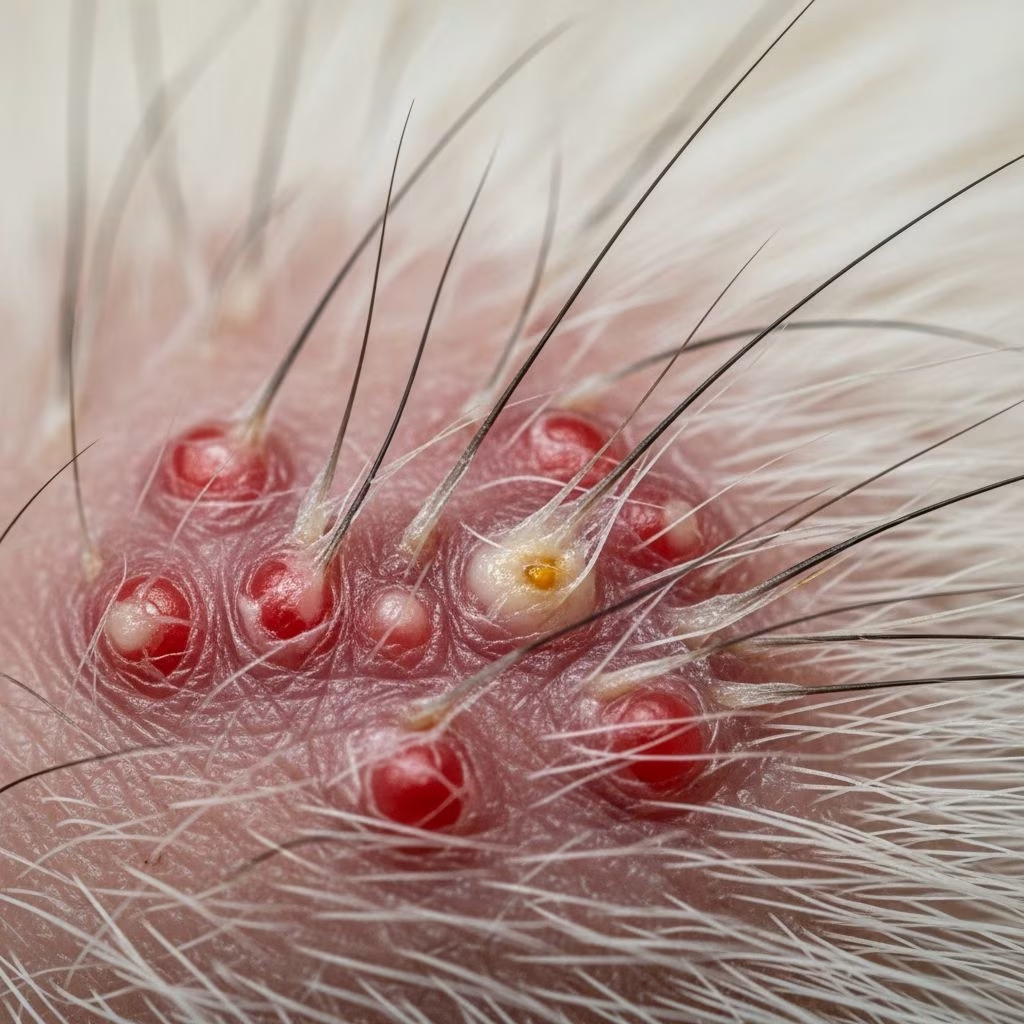
Folliculitis in dogs refers to the inflammation of one or more hair follicles, typically resulting from bacterial invasion but often triggered by underlying factors like allergies or parasites. This condition manifests as skin irritations that can cause discomfort and require prompt veterinary attention to prevent recurrence.
Understanding the Basics of Canine Folliculitis
Hair follicles are small pockets in the skin where fur grows, and when these become inflamed, dogs may show visible changes in their coat and skin texture. Unlike simple itching, folliculitis involves a deeper inflammatory response, often secondary to other health issues. It is prevalent across breeds but more noticeable in those with dense or curly fur.
The inflammation can be superficial, affecting only the upper follicle, or deep, penetrating further and leading to more severe outcomes like furunculosis. Recognizing early signs is crucial for effective management.
Common Signs Your Dog May Have Folliculitis
Dogs with folliculitis often exhibit a range of skin abnormalities. Key indicators include:
- Redness and swelling around hair follicles, creating a flushed appearance on the skin.
- Pustules or pimples filled with pus, resembling small boils that may rupture.
- Patchy hair loss (alopecia) in affected areas, sometimes described as a moth-eaten look.
- Intense itching or licking, leading to further trauma and self-inflicted wounds.
- Rashes or scabs from dried pustules, often concentrated on the back, flanks, or belly.
These symptoms can vary in severity; mild cases might only show slight irritation, while advanced ones involve pain and reluctance to be touched.
Primary Triggers Behind Folliculitis Development
Folliculitis rarely occurs in isolation; it is usually a secondary condition stemming from predisposing factors that compromise the skin barrier. Bacterial overgrowth, particularly Staphylococcus, is the most frequent direct cause, but root issues must be addressed for lasting relief.
| Trigger Category | Examples | Impact on Skin |
|---|---|---|
| Allergies | Food, environmental (atopic dermatitis), contact | Causes excessive scratching, opening follicles to bacteria |
| Parasites | Fleas, ticks, mites (e.g., Demodex), lice | Direct irritation and secondary bacterial entry |
| Hormonal Disorders | Hypothyroidism, Cushing’s disease (hyperadrenocorticism) | Alters skin immunity, promoting chronic infections |
| Infections | Fungal (dermatophytosis), yeast | Invades follicles, mimicking or compounding bacterial issues |
| Trauma/Environmental | Excessive licking, heat, moisture, friction | Breaks skin barrier, inviting pathogens |
Allergic skin disease stands out as a leading precipitant, with breeds like Cocker Spaniels and Boxers being particularly susceptible. Hormonal imbalances, such as low thyroid function, lead to dry, flaky skin that fosters bacterial growth.
How Veterinarians Diagnose Folliculitis
Diagnosis begins with a thorough physical exam, focusing on skin scrapings, cytology (examining cells under a microscope for bacteria or yeast), and sometimes biopsies for deeper infections. Vets rule out primaries like allergies via blood tests or intradermal testing.
For hormonal suspects, thyroid panels or cortisol level assessments are standard. Parasite checks involve combing or tape tests to detect lice nits or mites. Accurate identification of the root cause is essential, as treating symptoms alone leads to relapse.
Treatment Approaches Tailored to the Cause
Effective therapy combines topical, systemic, and cause-specific interventions, often spanning 3-12 weeks. Success hinges on resolving the underlying trigger.
Bacterial Folliculitis Management
Primary treatment includes oral antibiotics (e.g., cephalexin) for 4-6 weeks or until symptoms clear plus one week, paired with antibacterial shampoos containing chlorhexidine. Topical mousses or ointments aid localized control.
Parasite-Related Cases
Broad-spectrum preventatives like selamectin or fipronil target fleas, ticks, and lice. For Demodex, lime-sulfur dips or milbemycin may be prescribed.
Fungal and Yeast Infections
Antifungal shampoos or creams suffice for mild cases; oral medications are reserved for severe dermatophytosis due to potential side effects.
Allergy and Hormonal Therapies
Allergies may require immunotherapy, Apoquel, Cytopoint, or cyclosporine to halt the itch cascade. Hormonal issues like hypothyroidism use levothyroxine daily; Cushing’s employs trilostane.
Monitoring via follow-up exams ensures resolution, with adjustments for non-responders.
Prevention Strategies for Long-Term Skin Health
Proactive measures reduce recurrence risk:
- Maintain flea/tick prevention year-round.
- Use hypoallergenic diets or eliminate identified allergens.
- Bathe regularly with gentle, medicated shampoos if prone to issues.
- Monitor for endocrine signs like weight gain or lethargy.
- Avoid overheating and ensure dry bedding.
Regular vet check-ups catch predispositions early.
When to Seek Immediate Veterinary Help
Rush to the vet if pustules spread rapidly, your dog shows systemic signs like fever or lethargy, or if home care fails after 7-10 days. Deep infections can scar or lead to sepsis if ignored.
Frequently Asked Questions (FAQs)
Is folliculitis contagious to humans or other pets?
Typically not, as it’s usually bacterial pyoderma secondary to dog-specific issues. Fungal forms like ringworm can spread, so isolate if suspected.
Can folliculitis heal without antibiotics?
Mild cases might with topicals alone, but most require systemic antibiotics to fully eradicate bacteria.
How long does recovery take?
2-12 weeks, depending on cause and compliance. Rechecks at 2-3 weeks guide progress.
Are certain breeds more at risk?
Yes, allergy-prone ones like Bulldogs, Retrievers, and German Shepherds face higher odds.
Can diet influence folliculitis?
Food allergies contribute, so novel protein trials help identify triggers.
Holistic Support for Skin Recovery
Supplements like omega-3 fatty acids bolster skin barriers, while natural anti-itch remedies (e.g., oatmeal baths) complement vet care. Always consult professionals before alternatives.
In summary, folliculitis demands a multifaceted approach: identify, treat the source, and prevent. With diligence, dogs regain comfort and vitality.
References
- What Causes Folliculitis in Dogs & How Do You Treat It? — Rover.com. 2023. https://www.rover.com/blog/folliculitis-in-dogs/
- Folliculitis in Dogs — Whole Dog Journal. 2024-01-15. https://www.whole-dog-journal.com/health/folliculitis-in-dogs/
- Folliculitis in Dogs & Cats | Symptoms, Treatment — Embrace Pet Insurance. 2024. https://www.embracepetinsurance.com/health/folliculitis
- Common Skin Conditions in Dogs — My Best Friend Vet. 2023-06-10. https://www.mybestfriendvet.com/common-skin-conditions-in-dogs/
- Folliculitis in dogs — Animal Wellness Magazine. 2024-02-20. https://animalwellnessmagazine.com/folliculitis-in-dogs/
- Treatment of the big three causes of folliculitis (Proceedings) — dvm360. 2022-11-05. https://www.dvm360.com/view/treatment-big-three-causes-folliculitis-proceedings
- Injection protocols for folliculitis in dogs — Zoetis US. 2024. https://www.zoetisus.com/petcare/blog/injection-protocols-for-folliculitis-dogs/



