

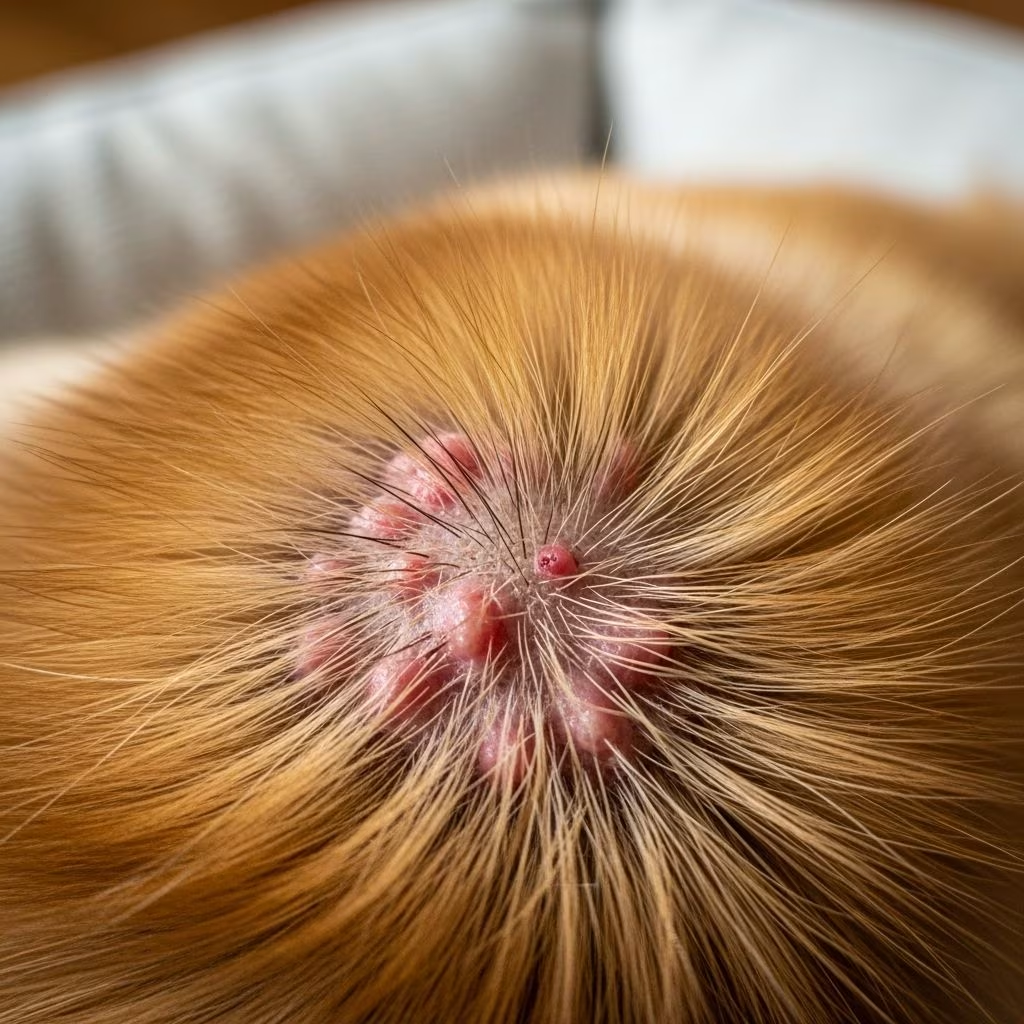
Folliculitis refers to inflammation of the hair follicles in a dog’s skin, often appearing as red bumps, pustules, or hair loss in patches. While professional veterinary diagnosis is essential, certain home care measures can provide relief and support healing when used appropriately.
Understanding the Basics of Canine Folliculitis
Hair follicles are small pockets in the skin where hair grows, and when they become irritated or infected, folliculitis develops. This condition is prevalent in dogs due to their active lifestyles and exposure to environmental factors. It frequently stems from secondary bacterial overgrowth, but addressing it at home starts with recognizing early signs and avoiding aggravation.
Pet owners often notice the issue during grooming or baths, as affected areas may feel warm or produce a mild odor. Prompt attention prevents escalation into more severe pyoderma or chronic skin problems.
Common Triggers Behind Folliculitis Outbreaks
Several factors can initiate follicle inflammation in dogs. Bacterial infections are the most frequent culprits, often following skin barrier disruptions. Other triggers include:
- Allergic reactions: Food, environmental pollen, or flea bites weaken the skin, inviting bacteria.
- Parasitic infestations: Fleas, mites, or ticks burrow and cause trauma.
- Hormonal disruptions: Conditions like hypothyroidism or Cushing’s disease alter skin oil production.
- Physical trauma: Excessive scratching, friction from collars, or skin folds in breeds like Bulldogs.
- Fungal elements: Yeast overgrowth, particularly Malassezia, thrives in moist areas.
Identifying the trigger through observation helps tailor home interventions, though lab tests from a vet confirm specifics.
Spotting the Telltale Signs Early
Early detection improves outcomes. Watch for these symptoms:
- Red, swollen bumps around hair bases.
- Small pustules that may rupture and crust over.
- Localized hair loss, often in clusters.
- Intense itching leading to self-trauma.
- Darkened skin or blackheads in chronic cases.
- Unpleasant odor from secondary infections.
Breeds with dense coats or folds, such as Golden Retrievers or Shar-Peis, show signs more prominently. Differentiate from hot spots or mange by noting follicle-specific patterns.
Diagnostic Steps Before Home Treatment
Never assume; a vet visit is crucial. They may perform skin scrapings, cytology, or biopsies to pinpoint bacteria, fungi, or parasites. Bloodwork rules out endocrine issues. Home care complements but does not replace this.
Safe Home Remedies for Mild Cases
For superficial symptoms, supportive care can ease discomfort. Always patch-test products and monitor for worsening.
Medicated Cleansing Routines
Antibacterial shampoos with benzoyl peroxide (3%) flush follicles and reduce bacterial load. Bathe 2-3 times weekly, lather for 10 minutes, then rinse thoroughly. Chlorhexidine-based wipes suit spot treatments for paws or ears.
Soothing Topical Applications
After cleansing, apply vet-recommended moisturizers or hydrocortisone sprays to calm itching. Oatmeal baths provide natural relief for allergy-linked cases. Avoid human products containing zinc, which toxify dogs.
Environmental Adjustments
Keep bedding clean and dry to prevent moisture buildup. Trim hair around affected areas gently to improve airflow.
| Remedy Type | Key Ingredient | Frequency | Precautions |
|---|---|---|---|
| Shampoo | Benzoyl Peroxide 3% | 2-3x/week | Rinse well; avoid eyes |
| Wipes | Chlorhexidine | Daily spots | Not for open wounds |
| Bath Soak | Colloidal Oatmeal | 1-2x/week | Follow with moisturizer |
Nutritional Strategies to Bolster Skin Health
Diet influences skin resilience. Omega-3 fatty acids from fish oil supplements reduce inflammation; aim for 20-50 mg EPA/DHA per pound of body weight daily. Probiotic blends support gut-skin axis, potentially curbing allergies. Hypoallergenic foods eliminate common triggers like chicken or grains.
Ensure adequate zinc and vitamin E intake, vital for follicle repair. Consult a vet for tailored supplements to avoid excesses.
Preventing Recurrence Through Lifestyle Changes
Proactive habits minimize flare-ups:
- Monthly flea preventives year-round.
- Regular grooming to remove debris.
- Allergy management via hypoallergenic diets or air purifiers.
- Weight control to reduce skin folds.
- Post-walk paw rinses to clear irritants.
When to Escalate to Professional Care
Home methods suffice for mild issues, but seek a vet if symptoms persist beyond 7-10 days, spread widely, or include fever/lethargy. Deep infections demand oral antibiotics (4-12 weeks) or antifungals. Never self-medicate with human antibiotics.
Holistic Approaches and Natural Supports
Some owners explore herbal aids like aloe vera gel (pure, organic) for cooling or coconut oil for moisturizing, but evidence is anecdotal. Veterinary oversight ensures safety. Acupuncture or herbal formulas show promise in allergy cases per some studies.
Frequently Asked Questions (FAQs)
Can folliculitis resolve without antibiotics?
Mild cases may improve with topicals alone, but bacterial dominance often requires systemic treatment.
Is folliculitis contagious to humans?
Rarely; most dog strains don’t transmit, but hygiene prevents zoonotic risks.
How long does recovery take?
2-6 weeks with consistent care; chronic cases longer.
Are certain breeds more prone?
Yes, those with allergies or folds like Labs, Bulldogs.
Can diet alone fix it?
No, but it supports; address root causes first.
Long-Term Management for Chronic Sufferers
For recurrent folliculitis, allergy testing or endocrine panels guide ongoing plans. Immunotherapy shots desensitize allergens. Rotate shampoos to prevent resistance. Regular vet check-ups track progress.
Tracking symptoms in a journal aids pattern recognition, informing adjustments. Community support via breed groups offers shared insights.
References
- What Causes Folliculitis in Dogs & How Do You Treat It? — Rover.com. 2023. https://www.rover.com/blog/folliculitis-in-dogs/
- Folliculitis In Dogs: Symptoms, Treatment & Prevention — PetLab Co. 2024. https://thepetlabco.com/learn/dog/health-wellness/folliculitis-in-dogs
- Folliculitis in Dogs — Petcube. 2023. https://petcube.com/blog/folliculitis-in-dogs/
- Folliculitis in Dogs & Cats | Symptoms, Treatment & Prevention — Embrace Pet Insurance. 2024. https://www.embracepetinsurance.com/health/folliculitis
- Folliculitis in dogs — Animal Wellness Magazine. 2022. https://animalwellnessmagazine.com/folliculitis-in-dogs/
- Folliculitis in Dogs — Whole Dog Journal. 2023. https://www.whole-dog-journal.com/health/folliculitis-in-dogs/



