

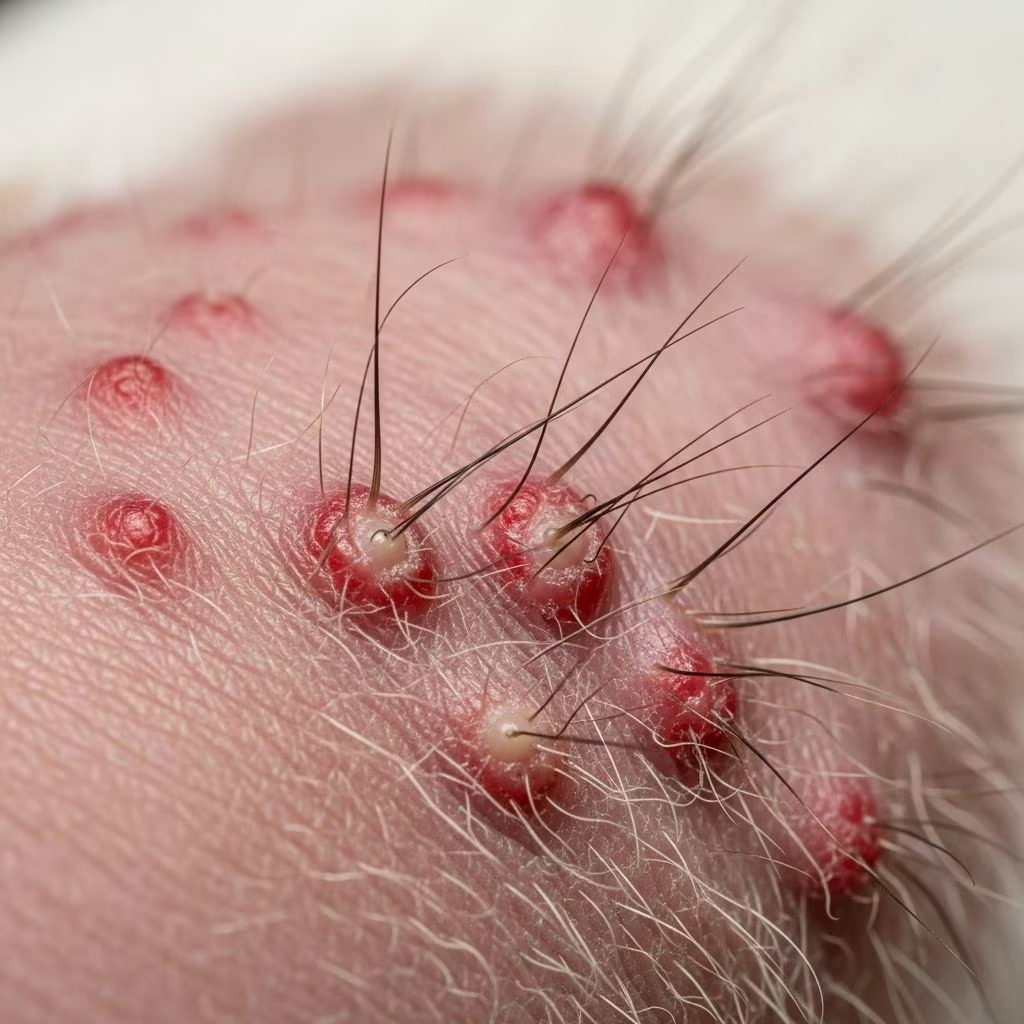
Folliculitis represents inflammation of the hair follicles in a dog’s skin, frequently triggered by bacterial overgrowth but linked to various underlying issues. This condition stands as one of the leading skin problems in canines, often signaling deeper health concerns that demand veterinary intervention.
Recognizing the Signs of Folliculitis
Early detection plays a crucial role in managing folliculitis effectively. Owners might notice several distinctive changes in their dog’s coat and skin texture.
- Redness and swelling around individual follicles, creating a bumpy appearance similar to human pimples.
- Pustules, which are small, pus-filled bumps that may rupture and form crusts.
- Hair loss in patches, often accompanied by scaling or flaking skin.
- Itching or discomfort, leading to excessive scratching, licking, or rubbing against surfaces.
- Hyperpigmentation, where affected skin darkens over time.
- Blackheads or comedones, clogged pores visible as dark spots.
- Epidermal collarettes, ring-like areas of hair loss bordered by scales.
- Odor from secondary infections or yeast overgrowth.
These symptoms can appear anywhere but commonly affect the back, flanks, abdomen, and armpits. In chronic cases, draining tracts or deeper nodules may develop, indicating progression to furunculosis.
Primary Triggers Behind Folliculitis Development
Folliculitis rarely occurs in isolation; it stems from factors that disrupt the skin’s natural barrier, allowing opportunistic pathogens to invade hair follicles.
Bacterial Overgrowth as the Main Culprit
Staphylococcus bacteria, normally present on healthy skin, proliferate when the follicle is damaged. This bacterial pyoderma accounts for most cases, often secondary to other issues.
Allergic Reactions and Skin Hypersensitivity
Allergies top the list of predisposing factors, including environmental triggers like pollen, food sensitivities, or flea bites. Constant itching compromises the skin, paving the way for infection.
Parasitic Infestations
Fleas, mites (like Demodex), and ticks irritate follicles directly or through allergic responses. Demodicosis, in particular, weakens local immunity, fostering bacterial entry.
Fungal and Yeast Infections
Malassezia yeast or dermatophytes cause folliculitis by colonizing compromised skin, especially in moist areas. These infections thrive in folds or humid environments.
Endocrine and Systemic Disorders
Hormonal imbalances such as hypothyroidism or Cushing’s disease alter skin integrity, reducing resistance to infections. Immune suppression from medications or illnesses exacerbates risks.
Physical Trauma and Environmental Factors
Injuries from scratching, friction in skin folds, excessive moisture, or poor grooming create entry points for pathogens. Conditions like acral lick dermatitis or interdigital cysts often evolve into folliculitis.
| Cause Category | Examples | Prevalence |
|---|---|---|
| Allergies | Flea, food, atopic | Most common |
| Bacterial | Staph pyoderma | Very high |
| Parasites | Mites, fleas | High |
| Fungal/Yeast | Malassezia | Moderate |
| Hormonal | Hypothyroidism | Moderate |
| Trauma | Lick granulomas | Variable |
Diagnostic Approaches for Accurate Identification
Veterinarians employ a multi-step process to pinpoint folliculitis causes. Initial exams include skin scrapings, cytology to detect bacteria or yeast, and fungal cultures. Biopsies reveal deeper issues, while blood tests screen for endocrine problems. Allergy trials or elimination diets help isolate hypersensitivities.
Comprehensive Treatment Strategies
Treatment targets the infection, inflammation, and root cause simultaneously, often requiring weeks of commitment.
Topical Therapies for Surface Relief
Medicated shampoos with chlorhexidine, benzoyl peroxide, or miconazole flush follicles and reduce bacterial loads. Leave-on rinses, sprays, or ointments deliver antibiotics or antifungals directly.
Systemic Medications for Deeper Infections
Oral antibiotics like cephalexin treat bacterial cases for 3-12 weeks. Antifungals such as ketoconazole address yeast, while antiparasitics eliminate mites. Steroids or Apoquel manage allergic flares.
Managing Underlying Conditions
Allergy desensitization, hormone replacement, or dietary changes form the long-term plan. Recheck exams ensure resolution and adjust protocols.
For mild cases, owners might trial OTC antimicrobial shampoos, but persistent symptoms warrant professional care to avoid resistance.
Preventive Measures to Safeguard Your Dog’s Skin
Proactive steps minimize recurrence risks.
- Maintain regular bathing with gentle, hypoallergenic products.
- Control parasites year-round with vet-recommended preventives.
- Monitor for allergies through diet trials and environmental controls.
- Keep skin dry and clean, especially in folds.
- Groom routinely to remove debris and detect issues early.
- Address endocrine health via annual checkups.
Breeds like German Shepherds, Bulldogs, and Spaniels face higher risks due to genetics or anatomy, so tailored vigilance is key.
Frequently Asked Questions (FAQs)
Is folliculitis contagious to humans or other pets?
Typically not, as it’s secondary to host factors. Fungal types like ringworm can spread, so isolate and treat promptly.
How long does recovery take?
Superficial cases resolve in 2-4 weeks; deeper or chronic ones may need 3 months.
Can home remedies cure it?
They support but rarely cure alone. Use vet-guided topicals to prevent worsening.
What if symptoms return after treatment?
Indicates unresolved underlying issues; revisit diagnostics.
Are certain breeds more prone?
Yes, those with allergies or skin folds like Shar-Peis or Retrievers.
Long-Term Outlook and When to Seek Help
With proper management, most dogs achieve full recovery and comfort. Watch for lethargy, fever, or spreading lesions signaling complications. Prompt vet visits prevent escalation to chronic dermatitis.
This guide equips owners with knowledge to support their pets’ skin health effectively.
References
- Folliculitis in Dogs: Causes, Treatment & Prevention — Animal Friends Dermatology. 2024-03-29. https://www.animalfriendsdermatology.com/site/blog/2024/03/29/folliculitis-dogs
- Folliculitis In Dogs: Symptoms, Treatment & Prevention — PetLab Co. (Recent update inferred). https://thepetlabco.com/learn/dog/health-wellness/folliculitis-in-dogs
- What Causes Folliculitis in Dogs & How Do You Treat It? — Rover.com. (Recent). https://www.rover.com/blog/folliculitis-in-dogs/
- Folliculitis in Dogs — Petcube. (Recent). https://petcube.com/blog/folliculitis-in-dogs/
- Folliculitis in Dogs & Cats | Symptoms, Treatment & Prevention — Embrace Pet Insurance. (Recent). https://www.embracepetinsurance.com/health/folliculitis
- Folliculitis in dogs — Animal Wellness Magazine. (Recent). https://animalwellnessmagazine.com/folliculitis-in-dogs/



